
 451 Visitors
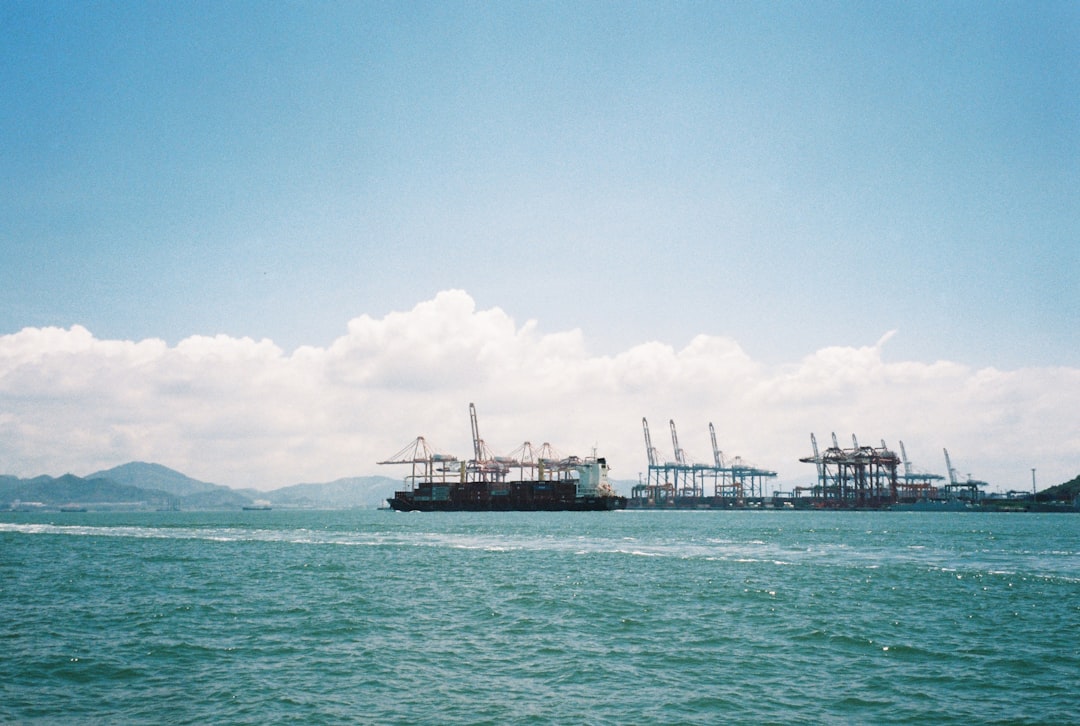
Overview of Auto Body Stampings Shipping Dynamics to/from Australia
Market Context for Automotive Components
The importation of auto body stampings, classified under HS Code 870829, into Australia is a critical component of the automotive supply chain. As Australia relies heavily on imported parts for both assembly and aftermarket repair, maintaining a steady flow of these components is essential. These goods, often bulky and sensitive to handling, require precise logistics planning to ensure they arrive in condition for immediate industrial use.
Regulatory and Tariff Environment
Imports under HS Code 870829 are subject to specific Australian customs regulations. Generally, a Most-Favored-Nation (MFN) duty rate of 2.5% applies, though various free trade agreements may offer duty-free treatment depending on the country of origin. Importers must ensure compliance with biosecurity requirements, particularly regarding wooden packaging (ISPM15 compliance), to avoid costly delays at the Port of Melbourne.
In-Depth Analysis of Main Shipping Line & Container Capacity
Carrier Landscape: ANL, Maersk, and COSCO
Major carriers including ANL (a CMA CGM subsidiary), Maersk, and COSCO dominate the Asia-Australia trade lanes. These lines provide the backbone of containerized transport for automotive parts. As of June 2026, these carriers are actively managing capacity through blank sailings and vessel redeployment to mitigate the impact of global geopolitical disruptions and fuel volatility.
Capacity Management and Service Reliability
Effective capacity is currently tighter than headline capacity. Carriers are prioritizing reliability on direct-call services to the Port of Melbourne. Shippers are advised to secure space well in advance, as carriers are increasingly utilizing "capacity discipline" to manage costs, which can lead to reduced availability for spot-market bookings.
Ocean Freight Rates & Cost Optimization for HS Code 870829
Current Freight Rate Trends
The freight market for Asia-Australia trade lanes has experienced significant upward pressure in the second quarter of 2026. Following coordinated rate increases by major carriers in May, shippers should anticipate higher landed costs. Below is a summary of the current market environment:
| Metric | Status (June 2026) |
|---|---|
| Market Sentiment | Stable but tightening |
| Rate Trend | Upward pressure due to surcharges and capacity management |
| Primary Cost Drivers | Fuel volatility, geopolitical rerouting, and peak season surcharges |
Cost Optimization Strategies
- Book Early: Avoid reliance on spot rates; secure long-term contracts where possible.
- Consolidation: Utilize consolidation services for smaller shipments to optimize container space.
- Total Landed Cost Focus: Evaluate the total cost, including surcharges and potential demurrage, rather than just the base ocean freight rate.
Port Container Tracking & Congestion at Port of Melbourne
Current Congestion Status
As of June 2026, the Port of Melbourne is experiencing moderate congestion, with median delays for container vessels typically ranging between 1 to 2 days. While this is not a crisis level, it represents a "constrained" operating environment. Labor availability and biosecurity inspection backlogs remain the primary factors influencing these delays.
Tracking and Visibility
Supply chain managers should utilize real-time tracking tools to monitor vessel arrivals and terminal gate moves. Given the sensitivity of auto body stampings to handling, proactive communication with customs brokers is vital to ensure that documentation is processed before the vessel arrives, minimizing dwell time at the terminal.
Global Logistics Optimization & Supply Chain Strategies
Building Resilience in Automotive Supply Chains
The 2026 logistics landscape requires a shift from passive monitoring to active risk management. For importers of auto body parts, this means diversifying routing options and maintaining higher safety stock levels to buffer against potential blank sailings or port delays.
Digital Transformation
Leveraging AI-driven forecasting and cloud-based freight management systems is no longer optional. These tools provide the visibility needed to anticipate disruptions before they impact production lines. Integrating these systems with your freight forwarder’s platform can significantly improve decision-making speed.
Executive Summary & Future Outlook
Sources & References
- Shipping Pneumatic Air Cylinders to the Port of Valencia, Spain
- Shipping Semiconductor Microchips (HS 854231) to the Port of Montreal
- Shipping Tomato Paste Cans (HS 200290) to the Port of Gothenburg, Sweden
- Shipping SPC Vinyl Click Flooring to the Port of Antwerp-Bruges
- Shipping True Wireless Earbuds (HS 8517.62) to the Port of Alexandria, Egypt
- Shipping Semiconductor Microchips (HS 854231) to the Port of Sines, Portugal
- Shipping Centrifugal Water Pumps to the Port of San Antonio, Chile
- Shipping Digital Signage Monitors to the Port of Trieste, Italy
- Shipping Printed Circuit Boards (PCB) to Egypt via Port of Said
- Optimizing Logistics for Solid State Drives (SSD) Imports to the Port of Chittagong, Bangladesh