
 319 Visitors
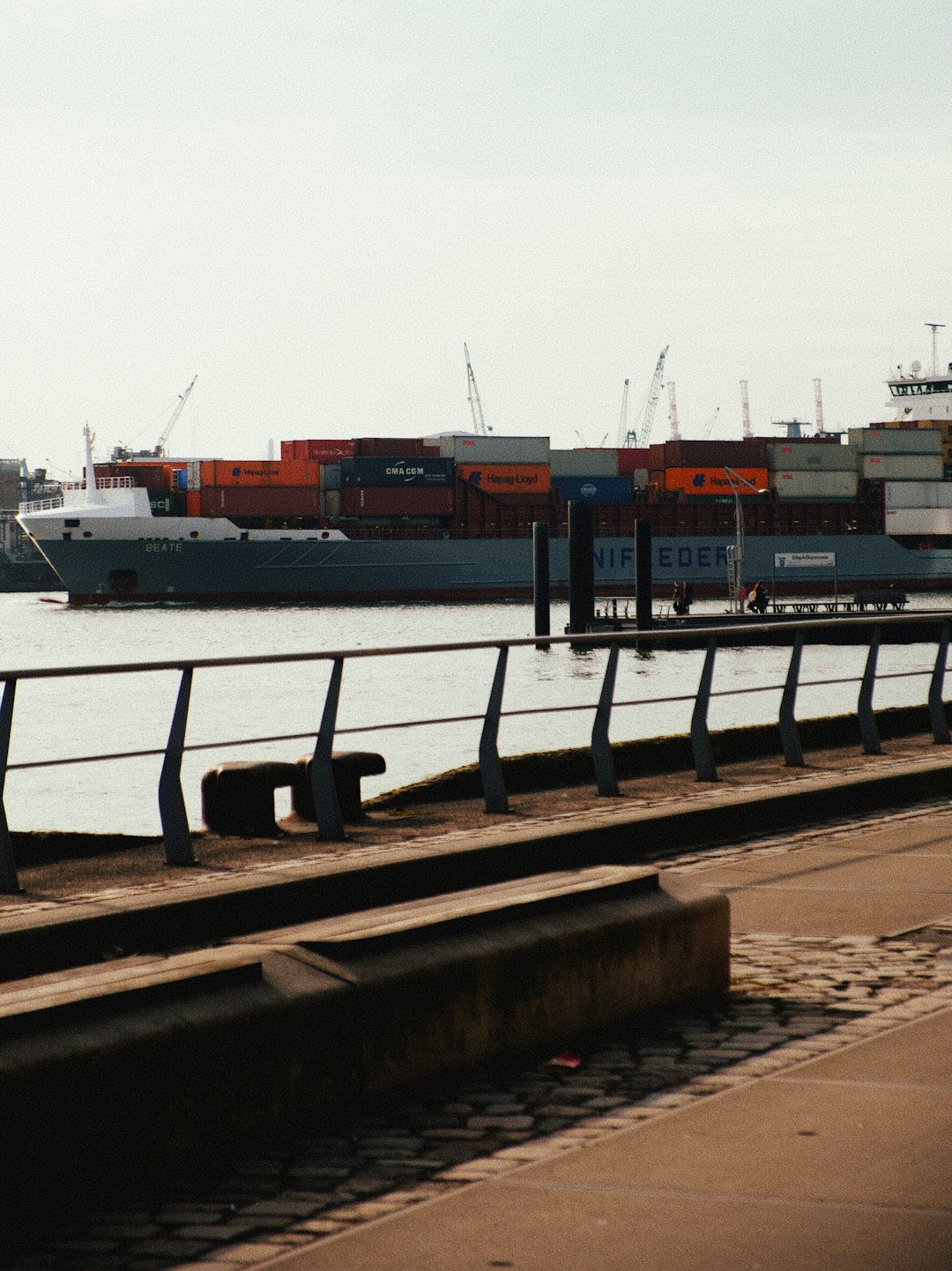
Overview of Electric Soldering Irons Shipping Dynamics to/from Indonesia
The importation of electric soldering irons, classified under HS Code 8515.11, into Indonesia is a process governed by strict technical and safety standards. As Indonesia continues to modernize its manufacturing and electronics repair sectors, the demand for high-quality soldering equipment has grown. However, shippers must navigate the complex regulatory landscape, specifically the SNI (Standar Nasional Indonesia) certification requirements, which are mandatory for most electrical appliances to ensure consumer safety.
Regulatory Compliance for Electrical Tools
All electrical products entering Indonesia must comply with SNI standards. Failure to provide valid SNI certification or test reports can lead to cargo seizure, heavy fines, or mandatory re-exportation. Importers are strongly advised to verify if their specific soldering iron model requires a pre-shipment inspection or a specific SNI registration number before the goods arrive at the Port of Tanjung Priok.
Market Trends and Demand
Indonesia's logistics market is currently experiencing a 6.21% CAGR (2026-2031), driven by industrial downstreaming and a surge in e-commerce. The Port of Tanjung Priok remains the primary gateway, handling over 60% of the nation's sea cargo, making it the most critical node for your supply chain.
In-Depth Analysis of Maersk, KMTC, & SITC Container Capacity
For shipments to Jakarta, carriers like Maersk, KMTC, and SITC provide robust intra-Asia and global connectivity. These lines utilize a mix of direct services and transshipment hubs (often Singapore or Tanjung Pelepas) to reach Tanjung Priok.
Carrier Strengths
- Maersk: Offers extensive global reach and advanced digital tracking through their "Control Tower" solutions, ideal for high-value electronics shipments.
- KMTC & SITC: These lines are dominant in the intra-Asia trade lanes, offering frequent, high-frequency sailings that are often more cost-effective for regional distribution into Indonesia.
Capacity and Scheduling
As of June 2026, these carriers have maintained consistent schedules. However, shippers should monitor the Yard Occupancy Ratio (YOR) at Tanjung Priok, as peak seasons (such as the lead-up to major holidays) can trigger berthing delays if the YOR exceeds 80%.
Ocean Freight Rates & Cost Optimization for HS Code 851511
Ocean freight rates are currently experiencing upward pressure due to early peak season demand and global geopolitical factors. While exact rates fluctuate daily based on fuel surcharges (BAF) and General Rate Increases (GRIs), shippers should factor in a premium for the current market environment.
Estimated Freight Rate Comparison (Indicative Only)
| Route/Service | Estimated Trend (June 2026) | Key Cost Driver |
|---|---|---|
| Intra-Asia (e.g., China to Jakarta) | Moderate Increase | Peak Season Surcharges |
| Global Long-Haul (e.g., Europe to Jakarta) | High Volatility | Fuel Costs & Geopolitical Risk |
Note: Rates are subject to change. Always request a spot quote from your freight forwarder 14 days prior to cargo readiness.
Port Container Tracking & Congestion at Port of Tanjung Priok (Jakarta)
Tanjung Priok has significantly improved its efficiency through the implementation of automated cranes and digital truck tracking. Average cargo dwell time has been reduced to under 2.5 days.
Monitoring Congestion
Shippers should utilize real-time AIS-based tracking tools to monitor vessel wait times. While the port is currently operating with "low" to "medium" congestion levels, unexpected surges in volume can lead to "long-tail" delays for specific terminals.
Operational Best Practices
- Pre-clearance: Utilize the Indonesia National Single Window (INSW) to submit documentation before the vessel arrives.
- Buffer Zones: Be aware that during peak periods, Pelindo may implement additional buffer zones for trucks to manage gate congestion.
Global Logistics Optimization & Supply Chain Strategies
Strategic Recommendations
- Partner with Local Brokers: A local customs broker in Jakarta is essential to navigate the nuances of the NIB (Nomor Induk Berusaha) and API (Importer Identification Number) requirements.
- Digital Integration: Use carrier-provided APIs to integrate shipment status directly into your ERP system for real-time visibility.
Executive Summary & Future Outlook
The outlook for shipping to Indonesia remains positive, supported by ongoing infrastructure investments and digital transformation at major ports. However, the regulatory environment for electrical goods like soldering irons remains stringent. Success in this market requires a combination of proactive compliance management, strategic carrier selection, and real-time visibility into port operations.
Sources & References
U.S. International Trade Administration - Indonesia Import RequirementsPT Pelabuhan Indonesia (Pelindo) Operational Updates
Portcast: Global Port Congestion Analytics
Maersk Indonesia Shipping Guides
- Shipping Pneumatic Air Cylinders to the Port of Valencia, Spain
- Shipping Semiconductor Microchips (HS 854231) to the Port of Montreal
- Shipping Tomato Paste Cans (HS 200290) to the Port of Gothenburg, Sweden
- Shipping SPC Vinyl Click Flooring to the Port of Antwerp-Bruges
- Shipping True Wireless Earbuds (HS 8517.62) to the Port of Alexandria, Egypt
- Shipping Semiconductor Microchips (HS 854231) to the Port of Sines, Portugal
- Shipping Centrifugal Water Pumps to the Port of San Antonio, Chile
- Shipping Digital Signage Monitors to the Port of Trieste, Italy
- Shipping Printed Circuit Boards (PCB) to Egypt via Port of Said
- Optimizing Logistics for Solid State Drives (SSD) Imports to the Port of Chittagong, Bangladesh