
 444 Visitors
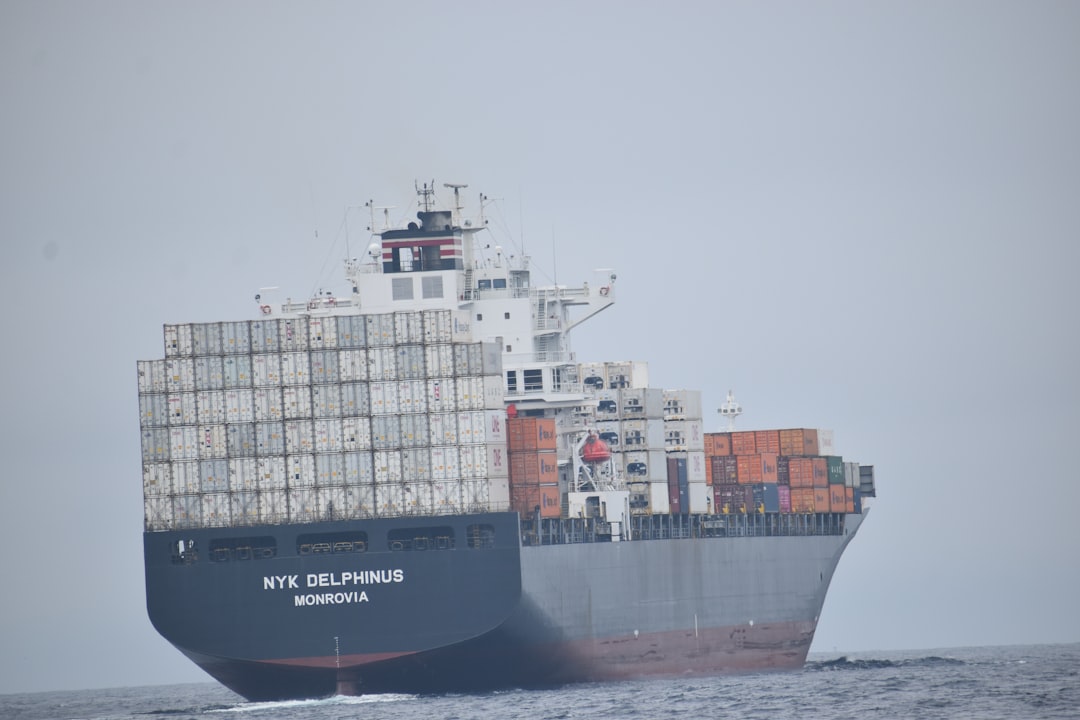
1. Overview of Ergonomic Office Chair Shipping Dynamics to Poland
The import of ergonomic office chairs, classified under HS Code 9401.39 (swivel seats with variable height adjustment), into Poland has become a focal point for supply chain managers in 2026. As Poland solidifies its position as a central logistics gateway for the European Union, the Port of Gdansk has emerged as a critical entry point for Asian-manufactured furniture.
Market Context
Ergonomic furniture demand in Poland is driven by both the booming e-commerce sector and the modernization of corporate office spaces. Importers must navigate complex EU customs regulations, including the requirement for accurate HS classification to ensure compliance with duty and VAT obligations.
Regulatory Compliance
Proper documentation is non-negotiable. Importers must ensure that commercial invoices clearly state the HS code 9401.39 to avoid classification disputes. Furthermore, as of 2026, the EU has implemented stricter oversight on low-value imports, impacting how smaller shipments are taxed and processed at the border.
2. In-Depth Analysis of Maersk / COSCO & Container Capacity
The shipping landscape for the Asia-to-Gdansk route is currently dominated by major carriers like Maersk and COSCO, who are actively optimizing their service loops to manage capacity amid global volatility.
Carrier Strategies
- Maersk: Continues to leverage its extensive feeder network to connect major hubs like Bremerhaven with the Baltic Hub in Gdansk, ensuring reliable transit for containerized cargo.
- COSCO: Has strategically expanded its footprint in Poland. Notably, the introduction of the new AEU7 service, scheduled for late 2026, will provide a direct connection between Poland and key Asian markets (Vietnam, Malaysia, Hong Kong), bypassing traditional transshipment hubs.
Capacity Management
Carriers are currently managing capacity through a combination of blank sailings and the deployment of larger, more efficient vessels. While capacity is generally sufficient, the "early peak season" observed in June 2026 has led to tighter space availability on direct routes.
3. Ocean Freight Rates & Cost Optimization for HS Code 940139
Ocean freight rates for the Asia-to-Europe trade lane have experienced significant upward pressure in June 2026, driven by early peak season demand and geopolitical tensions necessitating longer routes around the Cape of Good Hope.
| Route Segment | Estimated Spot Rate (per FEU) | Trend |
|---|---|---|
| Asia to North Europe (Base) | $3,500 – $4,700 | Rising |
| Asia to Gdansk (Premium/Direct) | $4,700 – $5,700 | Volatile |
Cost Optimization Strategies
Pro-Tip: To mitigate rising costs, consider booking at least 4–6 weeks in advance. Carriers are currently implementing Peak Season Surcharges (PSS) and General Rate Increases (GRI). Consolidating shipments and utilizing contract rates rather than spot market bookings can provide significant protection against weekly price spikes.
4. Port Container Tracking & Congestion at Port of Gdansk
The Port of Gdansk (Baltic Hub) remains a high-efficiency terminal, though it is not immune to the "cascade effect" of global supply chain disruptions.
Current Congestion Status
As of mid-June 2026, the Port of Gdansk reports a low congestion index with median waiting times remaining minimal (approx. 0.08 days). However, shippers should be aware that strong winds and vessel bunching can cause intermittent operational delays.
Tracking Best Practices
- Real-Time Visibility: Utilize digital tracking platforms (e.g., Terminal49, carrier portals) to monitor your container's status from discharge to gate-out.
- Proactive Planning: Always verify the "Empty Container Pickup" and "Shipping Instructions" deadlines provided by Maersk or COSCO to avoid unnecessary demurrage and detention fees.
5. Global Logistics Optimization & Supply Chain Strategies
Optimizing the movement of ergonomic chairs requires a holistic approach that integrates logistics with inventory management.
Strategic Recommendations
- Diversification: With COSCO’s new direct AEU7 service, importers should evaluate the cost-benefit of direct calls versus traditional transshipment through Rotterdam or Hamburg.
- Inland Connectivity: Leverage Poland’s robust rail and road network to move goods from Gdansk to distribution centers in Warsaw or other regional hubs.
- Automation: As labor shortages persist, investing in warehouse automation (e.g., AMRs) can help manage the high throughput of furniture imports more effectively.
6. Executive Summary & Future Outlook
The outlook for importing ergonomic office chairs to Poland in the second half of 2026 remains cautiously optimistic. While freight rates are elevated due to early peak season demand and geopolitical routing, the expansion of direct services to the Port of Gdansk offers a strategic advantage for importers looking to reduce transit times and transshipment risks.
Key Takeaways
- Stay Agile: Monitor carrier FAK (Freight All Kinds) rate announcements closely as they are subject to change.
- Compliance First: Ensure HS 9401.39 is correctly documented to avoid customs delays.
- Leverage Direct Routes: Prioritize direct services like the upcoming COSCO AEU7 to minimize handling risks.
Sources & References
Baltic Hub Gdansk Operations | Drewry World Container Index | Maersk Shipping Schedules | COSCO Shipping Service Updates
- Shipping Pneumatic Air Cylinders to the Port of Valencia, Spain
- Shipping Semiconductor Microchips (HS 854231) to the Port of Montreal
- Shipping Tomato Paste Cans (HS 200290) to the Port of Gothenburg, Sweden
- Shipping SPC Vinyl Click Flooring to the Port of Antwerp-Bruges
- Shipping True Wireless Earbuds (HS 8517.62) to the Port of Alexandria, Egypt
- Shipping Semiconductor Microchips (HS 854231) to the Port of Sines, Portugal
- Shipping Centrifugal Water Pumps to the Port of San Antonio, Chile
- Shipping Digital Signage Monitors to the Port of Trieste, Italy
- Shipping Printed Circuit Boards (PCB) to Egypt via Port of Said
- Optimizing Logistics for Solid State Drives (SSD) Imports to the Port of Chittagong, Bangladesh