
 489 Visitors
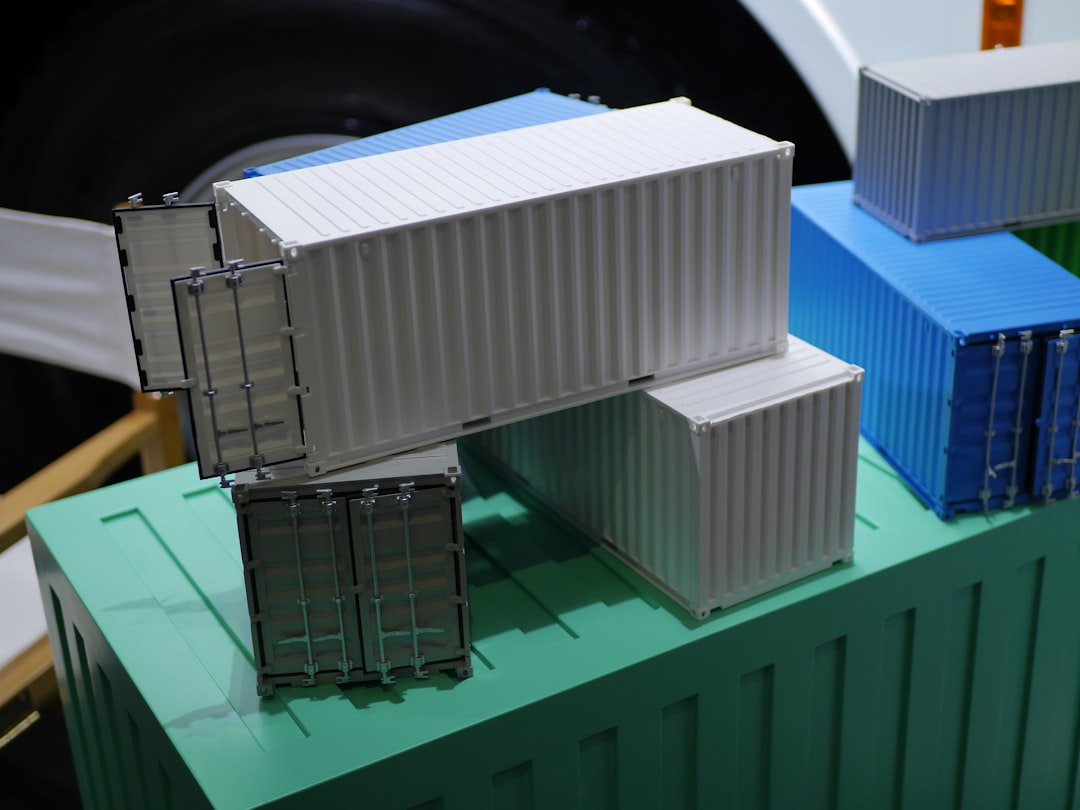
Overview of Hydraulic Stainless Hoses Shipping Dynamics to/from Kenya
The importation of industrial components, specifically hydraulic stainless hoses (HS Code 4009.22), into Kenya is a critical activity for the nation's manufacturing and infrastructure sectors. As Kenya continues to position itself as the primary logistics gateway for East Africa, understanding the nuances of importing these specialized goods is essential for supply chain managers.
Classification and Regulatory Compliance
Hydraulic hoses reinforced with metal and fitted with connectors fall under HS Code 4009.22. Importers must ensure that all shipments are accompanied by a valid Certificate of Conformity (CoC) issued by the Kenya Bureau of Standards (KEBS) to facilitate smooth customs clearance. Failure to provide this documentation often results in significant delays and additional storage costs at the port.
Market Demand and Regional Importance
Mombasa serves as the vital artery for landlocked neighbors including Uganda, Rwanda, and the DRC. Consequently, industrial parts like hydraulic hoses are in high demand to support mining, agricultural machinery, and automotive maintenance across the region. The efficiency of your supply chain is directly tied to the operational status of the Port of Mombasa.
In-Depth Analysis of PIL / COSCO / Maersk & Container Capacity
Major carriers including Maersk, COSCO, and PIL maintain a robust presence in the East African trade lane. These lines often utilize joint service agreements to optimize vessel utilization and frequency of calls at Mombasa.
Carrier Operational Strategies
- Maersk: Known for its integrated end-to-end logistics solutions, Maersk provides extensive support for both dry and specialized cargo, often leveraging its local offices in Mombasa and Nairobi to assist with inland distribution.
- COSCO & PIL: These carriers have historically collaborated on the "Kenya Express" and similar services, ensuring direct connectivity between major Asian manufacturing hubs (such as Shanghai) and Mombasa, which significantly reduces transit times compared to transshipment routes.
Capacity and Booking Constraints
As of June 2026, global capacity remains tight. Carriers are prioritizing high-yield cargo and have implemented aggressive Peak Season Surcharges (PSS) to manage the influx of demand. Shippers are advised to book space at least 3-4 weeks in advance to avoid "rolling" risks.
Ocean Freight Rates & Cost Optimization for HS Code 4009.22
Freight rates in mid-2026 are experiencing upward pressure due to geopolitical instability and early peak season demand. Importers must account for volatile surcharges when calculating landed costs.
Current Freight Rate Trends (June 2026)
| Route Segment | Rate Trend | Key Surcharges |
|---|---|---|
| Asia to Mombasa (FEU) | Elevated / Rising | Peak Season Surcharge (PSS) of ~$2,000 |
| Inland Trucking (Mombasa to Nairobi) | High (Fuel-dependent) | Variable Fuel Levies |
Cost Optimization Strategies
Port Container Tracking & Congestion at Port of Mombasa
The Port of Mombasa is currently navigating a period of high yard utilization. While government reforms are underway to modernize operations, shippers should anticipate moderate delays.
Current Congestion Metrics
- Average Vessel Waiting Time: Approximately 4.5 to 5.0 days as of mid-June 2026.
- Operational Challenges: Persistent terminal congestion is exacerbated by empty container imbalances and occasional landside trucking disruptions.
Tracking and Visibility
Utilizing real-time AIS tracking and carrier-specific portals (Maersk, COSCO, PIL) is critical. Because port conditions can shift rapidly due to weather or labor factors, maintaining close communication with your local clearing agent in Mombasa is the most effective way to receive "boots-on-the-ground" updates regarding your specific container status.
Global Logistics Optimization & Supply Chain Strategies
Optimizing the import of industrial components requires a shift from reactive to proactive management.
Mitigating Logistics Risks
- Pre-Arrival Processing: Utilize the Kenya Revenue Authority’s (KRA) pre-arrival processing framework to expedite customs clearance before the vessel even docks.
- Inland Depot Utilization: Where possible, move cargo to Inland Container Depots (ICDs) to avoid the high storage fees associated with long-stay cargo at the main port terminal.
Strategic Foresight
Given the volatility in fuel prices and maritime security, supply chain managers should build a "buffer" into their lead times. Relying on a single carrier can be risky; diversifying your booking strategy across the major lines (Maersk, COSCO, PIL) can provide greater flexibility during periods of capacity crunch.
Executive Summary & Future Outlook
The landscape for importing hydraulic stainless hoses into Kenya is defined by high demand, rising freight costs, and moderate port congestion. While the Port of Mombasa is undergoing significant structural reforms to improve efficiency, the immediate outlook for June 2026 remains one of caution.
Executive Takeaway: Success in the Kenyan market requires rigorous landed-cost analysis, early booking to secure capacity, and a deep understanding of local regulatory requirements. By prioritizing consolidation and leveraging digital tracking tools, importers can maintain competitiveness despite the current inflationary environment.
Sources & References
- Shipping Pneumatic Air Cylinders to the Port of Valencia, Spain
- Shipping Semiconductor Microchips (HS 854231) to the Port of Montreal
- Shipping Tomato Paste Cans (HS 200290) to the Port of Gothenburg, Sweden
- Shipping SPC Vinyl Click Flooring to the Port of Antwerp-Bruges
- Shipping True Wireless Earbuds (HS 8517.62) to the Port of Alexandria, Egypt
- Shipping Semiconductor Microchips (HS 854231) to the Port of Sines, Portugal
- Shipping Centrifugal Water Pumps to the Port of San Antonio, Chile
- Shipping Digital Signage Monitors to the Port of Trieste, Italy
- Shipping Printed Circuit Boards (PCB) to Egypt via Port of Said
- Optimizing Logistics for Solid State Drives (SSD) Imports to the Port of Chittagong, Bangladesh