
 0 Visitors
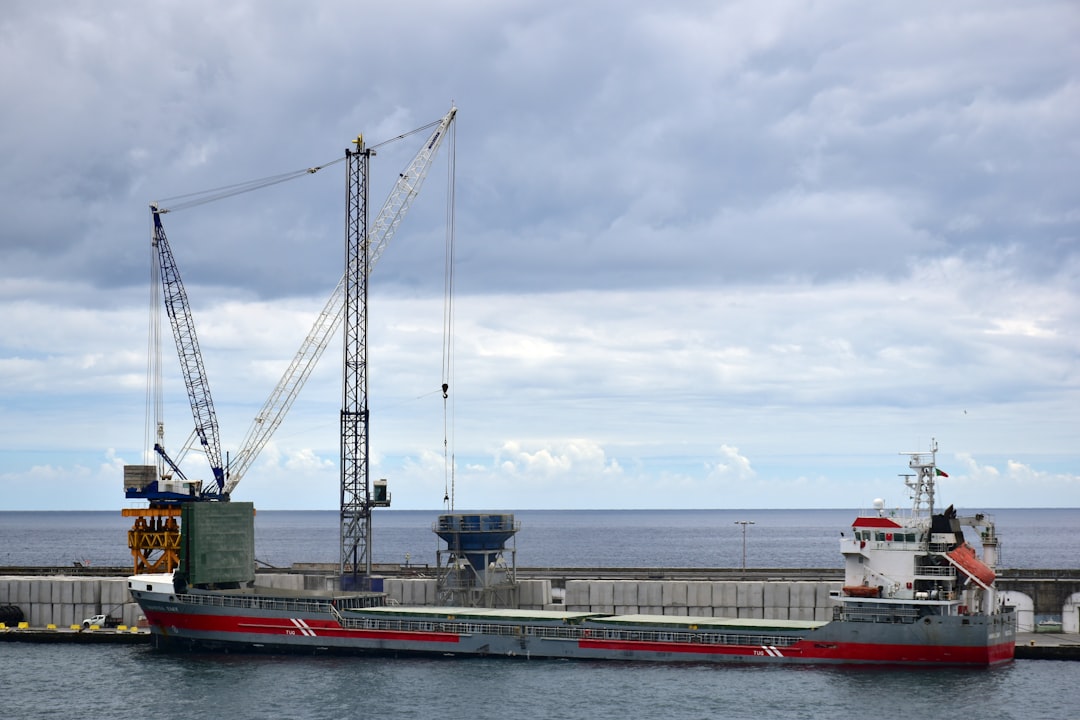
Overview of Inverter Air Conditioner Shipping Dynamics to Nigeria
Market Context and Regulatory Compliance
Importing inverter air conditioners (HS Code 8415.10) into Nigeria requires strict adherence to both customs regulations and technical standards. It is critical to note that the Nigerian government maintains a strict prohibition on the importation of used air conditioners. All shipments must consist of brand-new units to avoid seizure and heavy penalties at the Port of Lagos. Importers must ensure they possess a valid Form M and PAAR (Pre-Arrival Assessment Report) processed through a CBN-authorised bank for all commercial shipments exceeding USD 1,000 in value.
Logistics Corridor Overview
The Port of Lagos, comprising the Apapa and Tin Can Island terminals, serves as the primary gateway for electronics and industrial machinery. While these ports have seen recent improvements in operational efficiency, they remain sensitive to vessel bunching and access road congestion. Shippers must account for a 35–42 day transit window for ocean freight from major Asian manufacturing hubs.
In-Depth Analysis of Main Shipping Lines & Container Capacity
Carrier Operational Profiles
- Maersk: Offers robust digital booking solutions and extensive inland haulage networks within Nigeria, providing high visibility for containerized cargo.
- MSC: Currently expanding its footprint in Lagos with a major 45-year concession at Snake Island Port. While they offer significant capacity, recent reports indicate challenges with empty container evacuation at Tin Can, which can impact turnaround times.
- Grimaldi: A key player in the West African trade lane, often utilized for both containerized and roll-on/roll-off (RoRo) cargo, maintaining a strong presence in the Lagos port ecosystem.
Capacity and Equipment Management
Carriers are currently managing capacity amidst global rerouting around the Cape of Good Hope, which has extended transit times. Shippers are advised to confirm equipment availability (specifically 40ft High Cube containers for bulky AC units) at least 3 weeks prior to the intended loading date to mitigate the impact of equipment shortages.
Ocean Freight Rates & Cost Optimization for HS Code 8415.10
Current Freight Rate Landscape (June 2026)
Ocean freight rates to Nigeria have remained relatively stable in June 2026, though they remain subject to surcharges. The following table provides an indicative cost structure for FCL shipments.
| Container Type | Estimated Rate (USD) | Notes |
|---|---|---|
| 20ft Container (20GP) | $2,970 – $3,630 | Stable; subject to PSS |
| 40ft Container (40GP) | $3,150 – $3,850 | Subject to equipment availability |
| LCL (per CBM) | $435 | Best for smaller volume imports |
Cost Optimization Strategies
- Consolidation: For smaller shipments, utilize LCL services to avoid the high fixed costs of FCL if volume does not justify a full container.
- Surcharge Awareness: Factor in Peak Season Surcharges (PSS), which are currently being applied by major lines like CMA CGM and others to manage demand spikes.
- Landed Cost Calculation: Always request a "Landed Cost" estimate that includes destination handling charges, which can be disproportionately high in Lagos.
Port Container Tracking & Congestion at Port of Lagos (Apapa/Tin Can)
Current Congestion Status
As of June 2026, the Apapa and Tin Can port corridors continue to face challenges with traffic gridlock. While the Nigerian Ports Authority (NPA) has implemented the Electronic Truck Call-Up System (ETO), underutilization of transit parks by some operators continues to cause delays. Vessel waiting times currently fluctuate between 3–7 days depending on terminal activity.
Tracking and Visibility
Global Logistics Optimization & Supply Chain Strategies
Risk Mitigation
To navigate the volatility of the West African trade route, shippers should adopt a multi-modal approach where possible. For high-value, time-sensitive components, consider air freight, which has seen rates ease to approximately $7.40/kg in June 2026. Diversifying your clearing agents and maintaining strong relationships with terminal operators can also provide a buffer against localized disruptions.
Documentation Excellence
Customs delays are frequently caused by documentation errors. Ensure that your Commercial Invoice, Packing List, and Bill of Lading are perfectly aligned with your Form M. Any discrepancy in the HS Code (8415.10) or description can lead to extended dwell times and increased demurrage costs.
Executive Summary & Future Outlook
Key Takeaways
- Compliance: Only import new inverter AC units; used units are strictly prohibited.
- Cost: Budget for stable but high ocean freight rates, and account for potential PSS surcharges.
- Efficiency: Monitor port congestion via NPA updates and utilize the ETO system to avoid road gridlock.
Future Outlook
The long-term outlook for the Port of Lagos is positive, with significant infrastructure investments, such as the new MSC-backed terminal at Snake Island, expected to increase capacity and efficiency by 2028. In the near term, importers should prioritize flexibility and maintain close ties with local logistics partners to navigate the ongoing transition period.
Sources & References
- Shipping Pneumatic Air Cylinders to the Port of Valencia, Spain
- Shipping Semiconductor Microchips (HS 854231) to the Port of Montreal
- Shipping Tomato Paste Cans (HS 200290) to the Port of Gothenburg, Sweden
- Shipping SPC Vinyl Click Flooring to the Port of Antwerp-Bruges
- Shipping True Wireless Earbuds (HS 8517.62) to the Port of Alexandria, Egypt
- Shipping Semiconductor Microchips (HS 854231) to the Port of Sines, Portugal
- Shipping Centrifugal Water Pumps to the Port of San Antonio, Chile
- Shipping Digital Signage Monitors to the Port of Trieste, Italy
- Shipping Printed Circuit Boards (PCB) to Egypt via Port of Said
- Optimizing Logistics for Solid State Drives (SSD) Imports to the Port of Chittagong, Bangladesh