
 558 Visitors
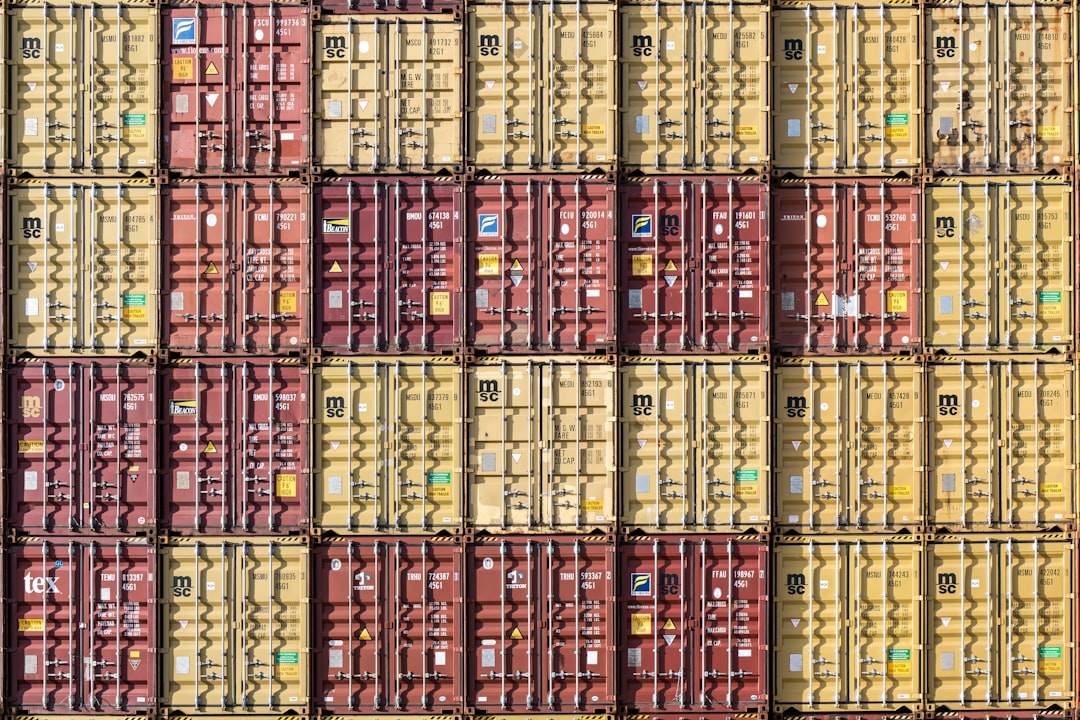
Overview of Luxury Leather Handbags Shipping Dynamics to/from Ghana
Market Classification and HS Code 420221
Luxury leather handbags are strictly classified under HS Code 420221, which denotes handbags with an outer surface of leather or composition leather. For importers in Ghana, precise classification is critical to ensure compliance with Ghana Revenue Authority (GRA) customs regulations and to avoid delays or penalties during the clearance process at the Port of Tema.
Trade Trends and Demand
The Ghanaian market for high-end fashion accessories has shown resilience. While the broader cargo shipping market in Ghana is projected to grow at a CAGR of approximately 4.8% through 2032, the luxury segment remains sensitive to supply chain stability and the landed cost of goods, which includes ocean freight, insurance, and local port charges.
In-Depth Analysis of MSC / CMA CGM & Container Capacity
Carrier Presence at the Port of Tema
Both MSC and CMA CGM are dominant players in the West African trade lane. They utilize the Meridian Port Services (MPS) Terminal 3 at the Port of Tema, which serves as a strategic hub for the region. CMA CGM, in particular, has demonstrated significant commitment to the region, having previously hosted ultra-large container vessels (up to 17,000 TEU capacity) at Tema, signaling the port's growing capability to handle high-volume, modern shipping operations.
Service Reliability and Capacity
These carriers offer robust connectivity between major global manufacturing hubs and Ghana. However, shippers should note that while global vessel overcapacity exists, carriers often manage capacity through blank sailings or service adjustments to maintain rate stability. It is recommended to book space well in advance, especially during peak retail seasons, to secure priority on these premium services.
Ocean Freight Rates & Cost Optimization for HS Code 420221
Current Freight Rate Environment
As of mid-2026, ocean freight rates remain volatile due to lingering geopolitical risks and the aftermath of regional conflicts. While exact spot rates fluctuate weekly, importers should account for various surcharges that impact the final landed cost.
| Cost Component | Description | Typical Impact |
|---|---|---|
| Base Ocean Freight | Standard container transport | Highly variable based on origin |
| Bunker Adjustment Factor (BAF) | Fuel price fluctuation surcharge | 5% – 20% of base rate |
| Port Congestion Surcharge | Fees due to terminal delays | $100 – $1,000+ per container |
| War Risk/Emergency Surcharge | Geopolitical risk premium | $50 – $1,000+ per container |
Optimization Strategies
- Consolidation: For smaller volumes of luxury goods, consider LCL (Less than Container Load) to optimize space and reduce per-unit shipping costs.
- Contractual Stability: Negotiate long-term service contracts with MSC or CMA CGM to hedge against spot-rate volatility.
- DDP Services: Utilize "Delivered Duty Paid" (DDP) solutions to gain better visibility into total landed costs and streamline customs clearance.
Port Container Tracking & Congestion at Port of Tema
Current Operational Status
The Port of Tema has faced operational challenges throughout 2026, including crane outages and yard congestion. Recent data indicates that average vessel waiting times have fluctuated between 4 and 7 days. These delays are often compounded by inland corridor limitations, affecting the speed at which containers are moved from the port to warehouses.
Infrastructure Developments
Efforts are underway to boost the port's annual capacity to nearly 3 million TEU. The commissioning of new electric rubber-tyred gantry cranes and ship-to-shore cranes at MPS Terminal 3 is intended to accelerate cargo handling. Importers are advised to monitor the Ghana Shippers' Authority updates regarding the mandatory "Smart Port Note" (SPN) system, which is essential for efficient cargo processing.
Global Logistics Optimization & Supply Chain Strategies
Risk Mitigation
Digital Integration
Leverage the tracking portals provided by MSC and CMA CGM for real-time visibility. Integrating your internal ERP system with carrier APIs can provide automated alerts on vessel status, berthing, and discharge, allowing for proactive management of customs documentation and inland transport scheduling.
Executive Summary & Future Outlook
Key Takeaways
- Compliance: Ensure all luxury leather handbags are correctly classified under HS 420221 to avoid customs delays.
- Cost Management: Budget for surcharges (BAF, congestion, war risk) as these remain a significant portion of total logistics spend in 2026.
- Operational Awareness: Monitor the Port of Tema's 7-day average vessel waiting times, which currently hover around 6.79 days, to manage delivery expectations.
Future Outlook
While the immediate outlook for 2026 remains characterized by controlled volatility, the long-term prospects for the Port of Tema are positive. Continued infrastructure investment and the expansion of transit cargo terminals are expected to improve efficiency. Shippers who prioritize digital visibility and flexible routing will be best positioned to navigate the evolving West African logistics landscape.
Sources & References
Kuehne+Nagel Port Operational Updates (2026) | CMA CGM Shipping Schedules & Services | GhanaWeb Business News (2026) | Shipping Gazette: Tema Port Expansion Updates
- Shipping Pneumatic Air Cylinders to the Port of Valencia, Spain
- Shipping Semiconductor Microchips (HS 854231) to the Port of Montreal
- Shipping Tomato Paste Cans (HS 200290) to the Port of Gothenburg, Sweden
- Shipping SPC Vinyl Click Flooring to the Port of Antwerp-Bruges
- Shipping True Wireless Earbuds (HS 8517.62) to the Port of Alexandria, Egypt
- Shipping Semiconductor Microchips (HS 854231) to the Port of Sines, Portugal
- Shipping Centrifugal Water Pumps to the Port of San Antonio, Chile
- Shipping Digital Signage Monitors to the Port of Trieste, Italy
- Shipping Printed Circuit Boards (PCB) to Egypt via Port of Said
- Optimizing Logistics for Solid State Drives (SSD) Imports to the Port of Chittagong, Bangladesh