
 428 Visitors
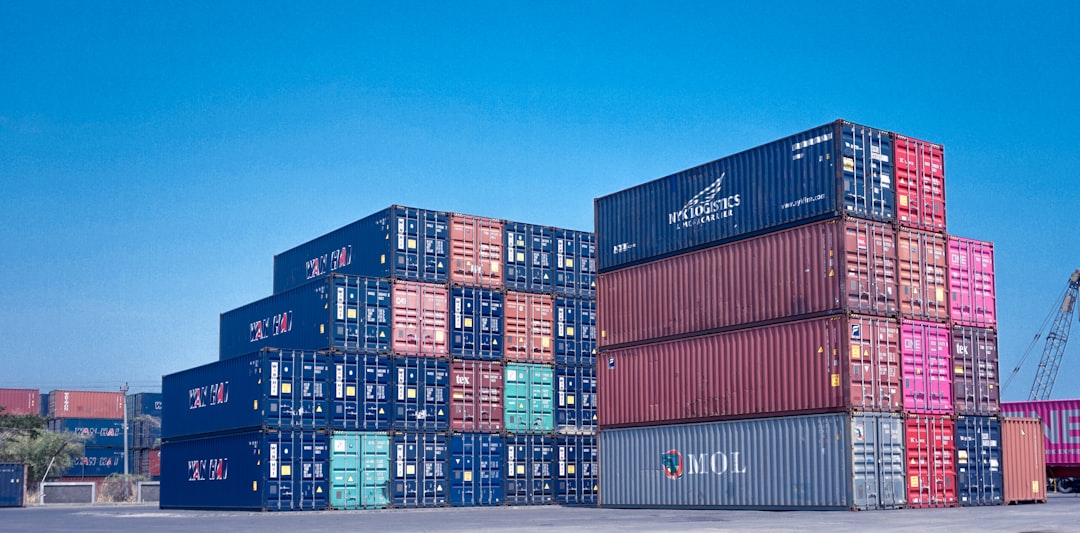
Overview of Merino Wool Knit Sweaters Shipping Dynamics to/from Australia
The importation of high-quality apparel, specifically Merino wool knit sweaters (HS Code 6110.11), into Australia requires a sophisticated understanding of both seasonal demand and the current volatility in the maritime logistics sector. As of June 2026, the trade lane from major Asian manufacturing hubs to the Port of Sydney is experiencing an unusually early peak season, characterized by tightening capacity and increased carrier discipline.
Market Demand and Product Sensitivity
Merino wool products are high-value, temperature-sensitive goods that demand reliable transit times to meet retail cycles. Importers must account for the fact that while these goods are not as bulky as industrial machinery, they are highly susceptible to "roll-overs" when vessel utilization exceeds 110%, a common occurrence in the current Asia-Australia trade lane.
Regulatory and Biosecurity Considerations
Australia maintains stringent biosecurity requirements for animal-derived products. Importers using HS Code 6110.11 must ensure that all documentation clearly reflects the manufacturing process to avoid quarantine delays at the Port of Sydney. Compliance with the Australian Border Force (ABF) and Department of Agriculture, Fisheries and Forestry (DAFF) is mandatory for smooth clearance.
In-Depth Analysis of MSC / OOCL / TS Lines & Container Capacity
The shipping landscape for the Australia-Asia corridor is currently dominated by major alliances and carriers, including MSC, OOCL, and TS Lines. These carriers are actively managing capacity to stabilize rates amidst fluctuating demand.
Carrier Capacity Management Strategies
- MSC: Has implemented aggressive Peak Season Surcharges (PSS) and is utilizing "blank sailings" to maintain vessel utilization rates.
- OOCL: As part of the OCEAN Alliance, OOCL is frequently adjusting port rotations to recover schedules impacted by berth congestion.
- TS Lines: Continues to provide critical direct services, though importers should anticipate volatility in transit times due to the cascading effects of port delays.
Service Reliability and Schedule Recovery
Carriers are currently prioritizing schedule integrity, which often results in port omissions if a vessel falls behind schedule. Importers should maintain close communication with their freight forwarders to track specific vessel ETAs, as "invisible" congestion at terminals often leads to last-minute schedule changes.
Ocean Freight Rates & Cost Optimization for HS Code 6110.11
Freight rates for the Asia-Australia route have seen upward pressure throughout May and June 2026. While exact rates fluctuate based on volume and contract status, the market is currently in a "firmer" state compared to early 2026.
Comparative Freight Rate Trends (Estimated)
| Route | Estimated Rate Trend (June 2026) | Primary Cost Drivers |
|---|---|---|
| Asia to Sydney (40ft Container) | USD $950 – $1,500 | Peak Season Surcharges, Bunker Adjustments |
| Asia to Sydney (LCL / Consolidation) | Variable (High Demand) | Terminal Handling, Congestion Surcharges |
Cost Optimization Strategies
To mitigate rising costs, importers should leverage long-term contract rates where possible rather than relying on the volatile spot market. Additionally, consolidating shipments to maximize container utilization can help offset the impact of per-container surcharges.
Port Container Tracking & Congestion at Port of Sydney (Botany)
The Port of Sydney (Botany) is currently experiencing significant operational headwinds. While vessels may not always be visible at anchor, the port is suffering from "invisible" congestion, including terminal productivity issues and empty container park saturation.
Current Congestion Drivers
- Industrial Action: Periodic stop-work meetings and labor constraints continue to disrupt terminal gate operations.
- Empty Container Imbalance: A significant backlog of empty containers is limiting yard capacity, making it difficult for transport operators to de-hire equipment.
Global Logistics Optimization & Supply Chain Strategies
In the current environment, supply chain resilience is paramount. Relying on a single carrier or a "just-in-time" model is increasingly risky given the structural nature of current maritime chokepoints.
Strategic Recommendations
- Diversify Routing: Where possible, explore alternative discharge ports or intermodal options if Sydney congestion reaches critical levels.
- Buffer Stocking: Increase safety stock levels for high-demand Merino wool products to account for potential 2-3 week delays in the supply chain.
- Digital Visibility: Utilize real-time container tracking tools to monitor vessel movements and receive proactive alerts regarding schedule changes or port omissions.
Executive Summary & Future Outlook
The outlook for the remainder of 2026 suggests a sustained period of tight capacity and elevated freight rates. Importers of Merino wool knit sweaters must prioritize early booking and maintain high levels of flexibility in their logistics planning.
Key Takeaways for Stakeholders
- Early Peak Season: The market has entered an early peak season; secure space at least 4-6 weeks in advance.
- Cost Management: Factor in potential congestion surcharges and fuel-related price adjustments into your landed cost calculations.
- Operational Vigilance: Stay informed on terminal status and industrial relations updates at Port Botany to avoid unexpected storage or detention fees.
Sources & References
- Shipping Pneumatic Air Cylinders to the Port of Valencia, Spain
- Shipping Semiconductor Microchips (HS 854231) to the Port of Montreal
- Shipping Tomato Paste Cans (HS 200290) to the Port of Gothenburg, Sweden
- Shipping SPC Vinyl Click Flooring to the Port of Antwerp-Bruges
- Shipping True Wireless Earbuds (HS 8517.62) to the Port of Alexandria, Egypt
- Shipping Semiconductor Microchips (HS 854231) to the Port of Sines, Portugal
- Shipping Centrifugal Water Pumps to the Port of San Antonio, Chile
- Shipping Digital Signage Monitors to the Port of Trieste, Italy
- Shipping Printed Circuit Boards (PCB) to Egypt via Port of Said
- Optimizing Logistics for Solid State Drives (SSD) Imports to the Port of Chittagong, Bangladesh