
 504 Visitors
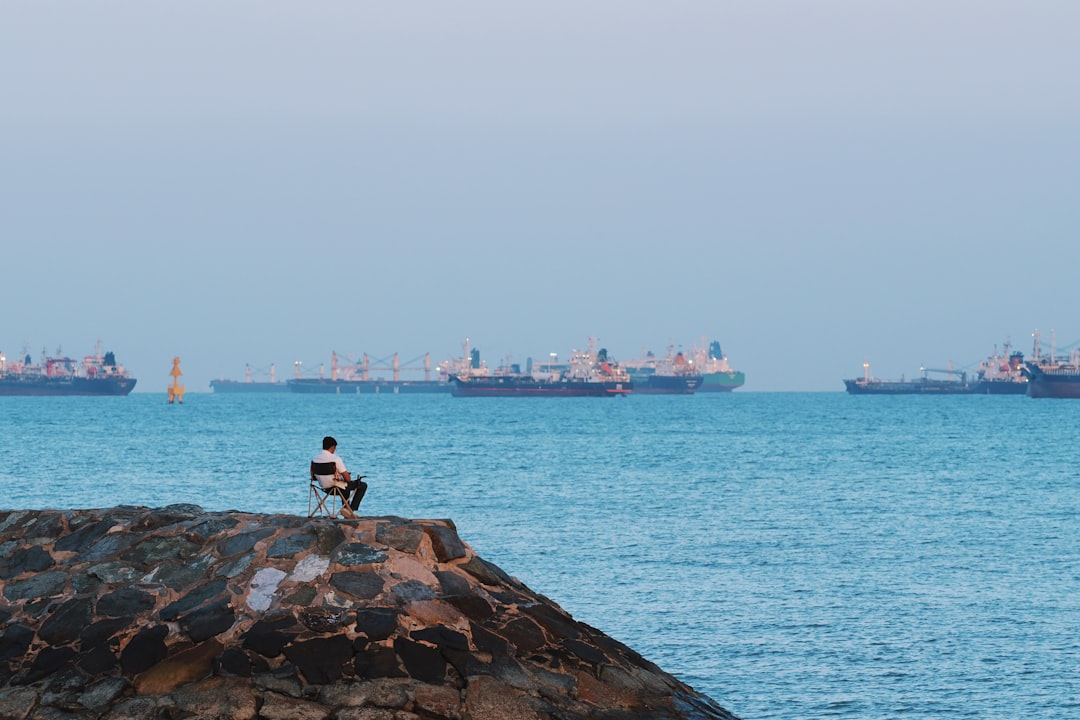
Overview of Organic Green Tea Extract Shipping Dynamics to/from Egypt
The importation of organic green tea extract (classified under HS Code 1302.19) into Egypt requires a sophisticated understanding of both international maritime corridors and local regulatory frameworks. As a high-value botanical extract, this product demands precise handling to maintain organic integrity and shelf-life stability during transit.
Market Context and Product Classification
Organic green tea extract falls under the broader category of "Vegetable Saps and Extracts" (HS 1302.19). Because it is often used in nutraceuticals, cosmetics, and food fortification, it is subject to rigorous quality inspections by the Egyptian National Food Safety Authority (NFSA). Importers must ensure that all documentation, including Certificates of Origin and Phytosanitary Certificates, is meticulously prepared to avoid clearance delays.
The Strategic Role of the Port of Said
The Port of Said serves as a critical gateway for the East Mediterranean. With recent service expansions, such as Maersk’s Baltic Sea-SLA service, connectivity between North Europe, Italy, and Egypt has improved. However, shippers must remain cognizant of the port's high yard density and the evolving regulatory environment regarding specific cargo types.
In-Depth Analysis of Shipping Lines & Container Capacity
The Middle East maritime landscape in 2026 is defined by extreme caution and operational adaptation. While major carriers continue to navigate the complexities of the Red Sea and the Strait of Hormuz, capacity management remains the primary lever for global freight rates.
Carrier Strategies in the Suez Canal Corridor
Major shipping lines are currently employing a "selective routing" strategy. While some services have resumed transit through the Suez Canal, it is not yet a return to pre-2023 normalcy. Carriers are balancing the cost-efficiency of the canal against the insurance premiums and safety risks associated with the region. Shippers should prioritize carriers that offer direct, reliable services to Port Said to minimize transshipment risks.
Capacity and Equipment Availability
Global container capacity is currently tightening as we enter the peak season. With carriers blanking sailings to manage network disruptions, securing space for specialized cargo like organic extracts requires early booking—ideally 4–6 weeks in advance—to ensure equipment availability and avoid the volatility of the spot market.
Ocean Freight Rates & Cost Optimization for HS Code 1302.19
Freight rates in mid-2026 are experiencing upward pressure due to seasonal demand and geopolitical risk premiums. For high-value, low-volume goods like green tea extract, the focus should be on total landed cost rather than base ocean freight alone.
Historical vs. Current Freight Rate Trends
| Route Segment | Historical Trend (2025) | Current Market (June 2026) | Volatility Factor |
|---|---|---|---|
| Asia to East Med (Port Said) | Moderate/Stable | Elevated (+30-45%) | High (Security Risk) |
| Europe to Egypt | Stable | Slight Increase | Low/Moderate |
Cost Optimization Strategies
- Consolidation: Utilize LCL (Less-than-Container Load) services if volume does not justify a full container, but ensure the consolidator has experience with organic food-grade products.
- Incoterms: Negotiate DAP or DDP terms if the Egyptian importer is unfamiliar with local customs clearance complexities to shift the risk of administrative delays to the logistics provider.
- Advanced Booking: Secure space during the early stages of the month to avoid the "peak season surcharge" spikes often seen in late June.
Port Container Tracking & Congestion at the Port of Said
Port Said remains a vital transshipment hub, but it is not immune to the "long-tail" congestion affecting global trade. As of June 2026, operational efficiency is highly dependent on terminal yard utilization and the timely collection of import cargo.
Monitoring Congestion and Wait Times
Shippers should utilize real-time tracking tools to monitor vessel waiting times. While Port Said has generally maintained better flow than some regional hubs, high yard density for specific cargo types (such as dangerous or sensitive goods) can lead to localized bottlenecks. Proactive communication with your local agent is essential to ensure your container is prioritized for discharge.
Operational Best Practices
Global Logistics Optimization & Supply Chain Strategies
Optimizing the supply chain for organic extracts requires a focus on visibility and regulatory compliance. The "just-in-time" model is currently risky; a "just-in-case" buffer strategy is recommended for 2026.
Regulatory Compliance and Documentation
For HS Code 1302.19, Egypt requires strict adherence to phytosanitary standards. Ensure that your Certificate of Origin and Batch Number Certificates are clearly linked to the commercial invoice. Failure to provide these at the time of entry can result in significant storage costs and potential product spoilage.
Risk Mitigation
- Insurance: Ensure your cargo insurance covers "war and strikes" clauses, given the ongoing regional geopolitical volatility.
- Visibility: Use IoT-enabled container tracking to monitor temperature and humidity if the extract is sensitive to environmental conditions.
Executive Summary & Future Outlook
The shipping landscape for organic green tea extract to Egypt in 2026 is characterized by high operational costs and the need for extreme planning precision. While the Suez Canal corridor is seeing a "trial" return of some services, the risk of disruption remains a permanent fixture of the current logistics environment.
Key Takeaways for Stakeholders
- Prioritize Reliability: Choose carriers with direct, consistent service to Port Said over the lowest-cost indirect options.
- Regulatory Vigilance: Maintain perfect documentation to navigate the Egyptian NFSA requirements smoothly.
- Financial Planning: Budget for a 20-30% premium on standard freight rates to account for ongoing Middle East security surcharges.
Sources & References
Drewry Maritime Research (World Container Index) | Xeneta Ocean Freight Market Data | Maersk Market Updates (June 2026) | International Trade Administration (Egypt Import Requirements)
- Shipping Pneumatic Air Cylinders to the Port of Valencia, Spain
- Shipping Semiconductor Microchips (HS 854231) to the Port of Montreal
- Shipping Tomato Paste Cans (HS 200290) to the Port of Gothenburg, Sweden
- Shipping SPC Vinyl Click Flooring to the Port of Antwerp-Bruges
- Shipping True Wireless Earbuds (HS 8517.62) to the Port of Alexandria, Egypt
- Shipping Semiconductor Microchips (HS 854231) to the Port of Sines, Portugal
- Shipping Centrifugal Water Pumps to the Port of San Antonio, Chile
- Shipping Digital Signage Monitors to the Port of Trieste, Italy
- Shipping Printed Circuit Boards (PCB) to Egypt via Port of Said
- Optimizing Logistics for Solid State Drives (SSD) Imports to the Port of Chittagong, Bangladesh