
 0 Visitors
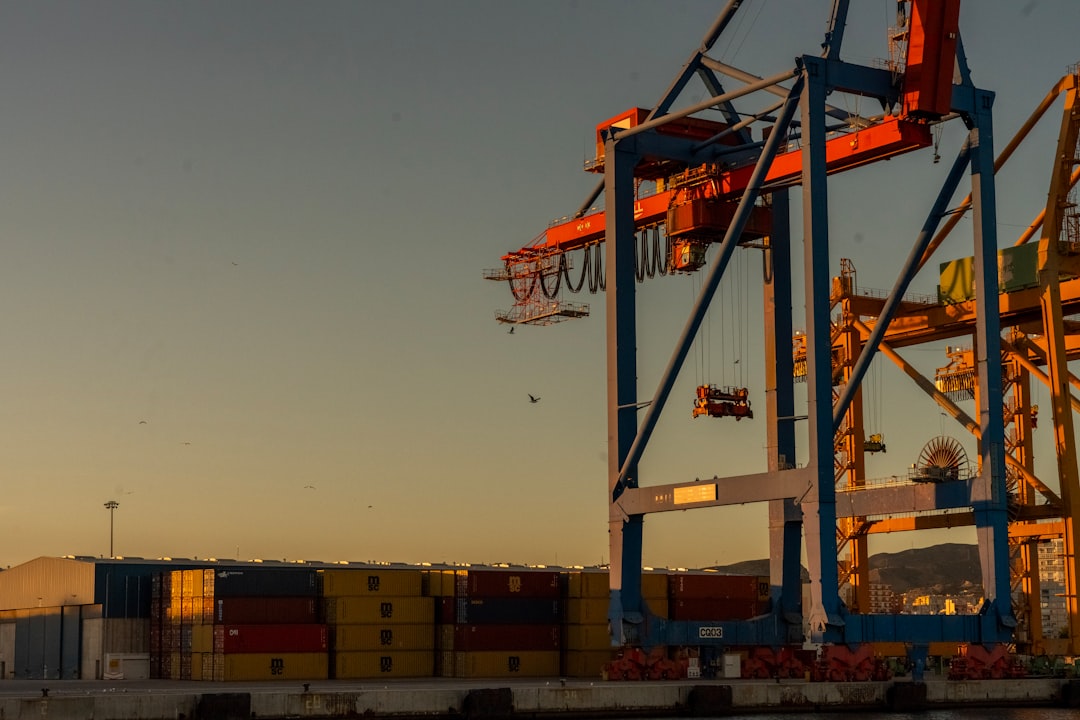
Overview of Protein Whey Powder Shipping Dynamics to/from India
The import of protein whey powder into India is a highly regulated process, primarily governed by the Food Safety and Standards Authority of India (FSSAI). As a product classified under HS Code 350220, it falls under strict food safety standards, requiring meticulous documentation and pre-shipment compliance to avoid costly detention at the port.
Regulatory Landscape for Nutritional Supplements
Importers must hold a valid FSSAI Central License. Every shipment requires a No Objection Certificate (NOC) issued via the Food Import Clearance System (FICS) before the cargo arrives at the port. Failure to secure this documentation often leads to immediate detention, storage charges, or even mandatory re-export/destruction of the goods.
Market Demand and Supply Chain Sensitivity
With a growing fitness-conscious population, India has seen a surge in demand for high-quality whey protein. However, because these products are sensitive to temperature and humidity, the supply chain must prioritize climate-controlled logistics and rapid customs clearance to maintain product integrity.
In-Depth Analysis of Maersk & MSC Container Capacity
Major carriers like Maersk and MSC have significantly bolstered their presence at the Port of Mundra. This port serves as a critical gateway for Northwest India, and both carriers have optimized their service loops to cater to the rising demand for containerized trade.
Carrier Service Loops and Reliability
Maersk has strategically expanded its MECL service to include direct calls at Mundra, enhancing transit times for global trade. MSC continues to provide robust weekly sailings, though shippers should note that MSC’s extensive port coverage can sometimes lead to longer transit times compared to direct-call services.
Capacity Management
Both carriers are currently managing capacity by balancing vessel deployment across major hubs. Shippers are advised to book space at least 3-4 weeks in advance, especially during peak seasons, to avoid "rollovers" where containers are left behind due to vessel overbooking.
Ocean Freight Rates & Cost Optimization for HS Code 350220
Freight rates for containerized cargo to India are subject to significant volatility based on fuel surcharges, global demand, and regional geopolitical tensions. While specific rates fluctuate daily, importers should budget for a comprehensive landed cost that includes more than just the base ocean freight.
| Cost Component | Description | Impact on Landed Cost |
|---|---|---|
| Ocean Freight (Base) | Port-to-Port shipping cost | High (Variable) |
| Customs Duty | Typically 30-50% (CIF-based) | Very High |
| FSSAI/NOC Fees | Mandatory clearance processing | Moderate |
| Port Storage/Demurrage | Costs incurred during clearance delays | High (Avoidable) |
Port Container Tracking & Congestion at Port of Mundra
The Port of Mundra is one of India's most efficient private ports, yet it remains susceptible to periodic congestion. As of mid-2026, median waiting times for vessels have been reported in the range of 2 to 4 days, depending on terminal activity.
Monitoring Real-Time Status
Importers should utilize digital tracking tools provided by carriers (Maersk/MSC) or third-party visibility platforms. Real-time monitoring of "Gate-in" and "Vessel Arrival" milestones is essential for coordinating with local customs brokers.
Mitigating Congestion Risks
To minimize the impact of port congestion, ensure that all documentation—including the Bill of Lading, Commercial Invoice, and FSSAI Health Certificate—is submitted to the customs house agent (CHA) well before the vessel's arrival.
Global Logistics Optimization & Supply Chain Strategies
- Pre-Arrival Filing: Always apply for the FSSAI NOC via FICS before the shipment departs the origin port.
- Labeling Compliance: Ensure all packaging meets Indian labeling requirements (FSSAI logo, license number, allergen declarations) to avoid inspection failures.
- Bonded Warehousing: Consider utilizing a customs-bonded warehouse near Mundra to defer duty payments and manage inventory distribution effectively.
- Carrier Collaboration: Maintain close communication with your Maersk or MSC representative to receive early warnings regarding blank sailings or schedule changes.
Executive Summary & Future Outlook
Importing protein whey powder into India is a high-reward but high-compliance endeavor. Success depends on the synergy between reliable ocean freight partners like Maersk or MSC and a proactive approach to Indian regulatory requirements.
Future Outlook
As India’s nutraceutical market continues to expand, we expect further digitalization of the customs clearance process, which may eventually reduce the current 3-7 day clearance window. However, until such time, rigorous documentation and early planning remain the cornerstones of a successful supply chain strategy.
Sources & References
Data and insights derived from: FSSAI Official Portal, Maersk Line Schedules, Cogoport Logistics Data, and Portcast Port Congestion Analytics.
- Shipping Pneumatic Air Cylinders to the Port of Valencia, Spain
- Shipping Semiconductor Microchips (HS 854231) to the Port of Montreal
- Shipping Tomato Paste Cans (HS 200290) to the Port of Gothenburg, Sweden
- Shipping SPC Vinyl Click Flooring to the Port of Antwerp-Bruges
- Shipping True Wireless Earbuds (HS 8517.62) to the Port of Alexandria, Egypt
- Shipping Semiconductor Microchips (HS 854231) to the Port of Sines, Portugal
- Shipping Centrifugal Water Pumps to the Port of San Antonio, Chile
- Shipping Digital Signage Monitors to the Port of Trieste, Italy
- Shipping Printed Circuit Boards (PCB) to Egypt via Port of Said
- Optimizing Logistics for Solid State Drives (SSD) Imports to the Port of Chittagong, Bangladesh