
 0 Visitors
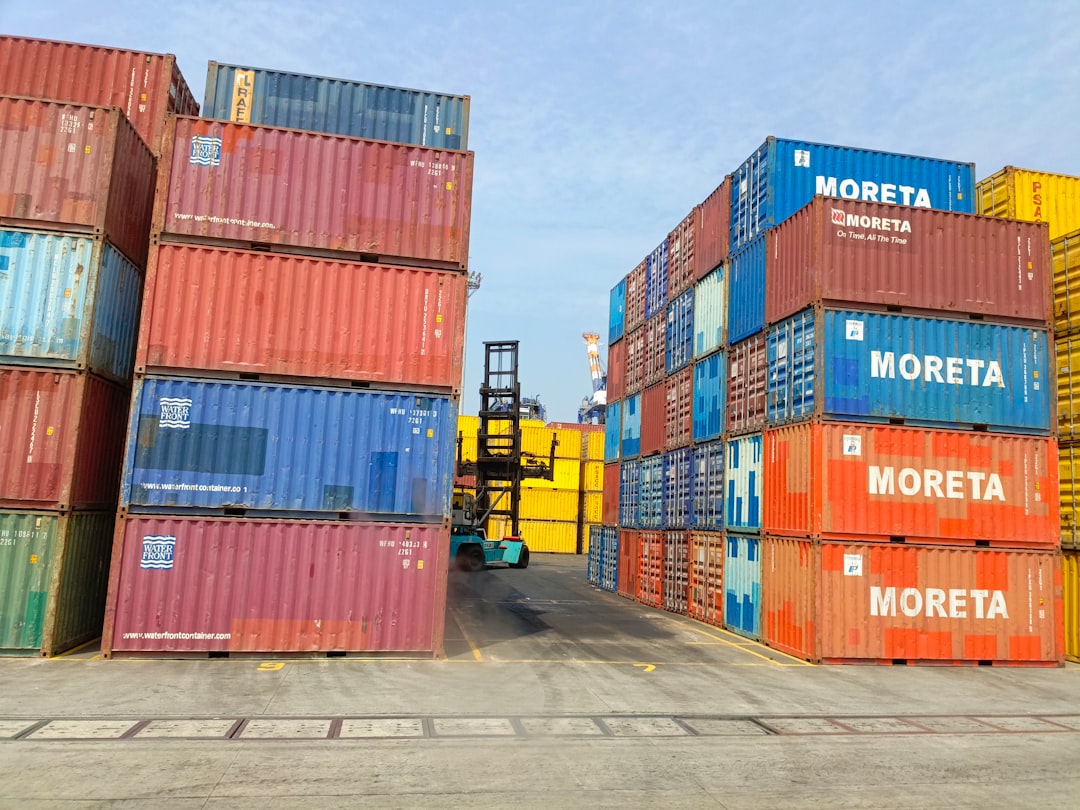
Overview of Semiconductor Microchip Shipping Dynamics to the United States
The Critical Role of HS Code 854231
Semiconductor microchips, classified under HS Code 854231 (Processors and controllers), represent some of the most high-value, time-sensitive cargo in global trade. As the backbone of modern electronics, AI hardware, and automotive systems, the logistics of these components require extreme precision. In the United States, imports under this code are generally duty-free, but they are subject to rigorous scrutiny regarding country of origin and intellectual property compliance.
Market Trends in 2026
As of June 2026, the semiconductor supply chain is experiencing a "pivot" toward resilience. Due to geopolitical instability and Red Sea disruptions, many shippers are diversifying their sourcing from traditional hubs to Southeast Asia and Mexico. This shift has increased the complexity of ocean freight, forcing importers to balance cost-efficiency with the need for high-security, real-time tracking.
In-Depth Analysis of CMA CGM & Maersk Container Capacity
Carrier Strategies on the Transpacific and Transatlantic Routes
Major carriers like CMA CGM and Maersk continue to dominate the lanes connecting Asian manufacturing hubs to the U.S. East Coast. Both lines have invested heavily in "digital-first" logistics, offering advanced container tracking and integrated end-to-end solutions. For high-value microchips, these carriers provide specialized container options, including temperature-controlled units and enhanced security protocols to mitigate the risk of theft or damage during transit.
Capacity and Service Reliability
While global capacity is theoretically high due to new vessel deliveries, "blank sailings" and schedule adjustments remain common as carriers manage fuel costs and regional port congestion. Shippers moving microchips are increasingly opting for premium service tiers that guarantee space allocation, even during peak season surges.
Ocean Freight Rates & Cost Optimization for HS Code 854231
Current Market Rate Environment (June 2026)
Ocean freight rates have seen significant volatility in mid-2026. Following June 1st General Rate Increases (GRIs) and the implementation of Peak Season Surcharges (PSS), spot rates for the Asia-to-U.S. East Coast route have spiked. While contract rates offer more stability, spot market exposure remains a significant risk for importers.
| Route | Estimated Spot Rate (per FEU) | Trend |
|---|---|---|
| Asia to U.S. East Coast (Savannah) | $5,000 - $6,500 | Rising (Early Peak Season) |
| Europe to U.S. East Coast | $2,000 - $4,000 | Stable/Moderate |
Cost Optimization Strategies
- Incoterms Selection: Utilize DDP (Delivered Duty Paid) for better control over customs clearance, though this requires a robust local customs broker.
- Volume Consolidation: Aggregate smaller shipments to maximize FEU (Forty-Foot Equivalent Unit) utilization.
- Data-Driven Booking: Use carrier-provided digital platforms to monitor real-time rate fluctuations and avoid last-minute premium surcharges.
Port Container Tracking & Congestion at the Port of Savannah
Current Congestion Metrics
The Port of Savannah remains a vital gateway for the U.S. Southeast. As of June 2026, the port is maintaining a relatively efficient operation compared to other global hubs, with median vessel wait times hovering around 0.8 to 1.0 days. However, shippers should remain vigilant, as seasonal volume surges can quickly lead to yard utilization bottlenecks.
Tracking and Visibility
For high-value semiconductor shipments, relying solely on carrier updates is insufficient. We recommend integrating API-based tracking tools that provide container-level visibility from the moment of loading at the origin port to the final gate-out in Savannah. This allows for proactive intervention if a container is flagged for inspection or delayed in the terminal.
Global Logistics Optimization & Supply Chain Strategies
Mitigating Geopolitical Risk
The ongoing conflict in the Middle East has created a "ripple effect" on global shipping, increasing fuel costs and transit times. For semiconductor importers, the strategy should be to move away from "Just-in-Time" (JIT) toward "Just-in-Case" (JIC) inventory management, maintaining a buffer stock to account for potential 10–14 day transit delays.
The Pivot to Air Freight
Given the extreme value of microchips, many firms are increasingly utilizing a "Sea-Air" hybrid model. High-priority components are moved via air to bypass ocean bottlenecks, while standard production volumes are shipped via ocean to manage costs. This hybrid approach provides the flexibility needed to navigate the current volatile trade environment.
Executive Summary & Future Outlook
Key Takeaways
- Early Peak Season: Carriers have initiated early peak season surcharges; expect continued upward pressure on rates through July.
- Port Stability: Savannah remains a reliable port of entry, but regional infrastructure must be monitored for potential volume-related delays.
- Compliance: Ensure all documentation for HS 854231 is precise to avoid customs delays, especially regarding origin verification.
Sources & References
Data and insights derived from: Georgia Ports Authority, gCaptain, FreightWaves, and CMA CGM/Maersk market updates (June 2026).
- Shipping Pneumatic Air Cylinders to the Port of Valencia, Spain
- Shipping Semiconductor Microchips (HS 854231) to the Port of Montreal
- Shipping Tomato Paste Cans (HS 200290) to the Port of Gothenburg, Sweden
- Shipping SPC Vinyl Click Flooring to the Port of Antwerp-Bruges
- Shipping True Wireless Earbuds (HS 8517.62) to the Port of Alexandria, Egypt
- Shipping Semiconductor Microchips (HS 854231) to the Port of Sines, Portugal
- Shipping Centrifugal Water Pumps to the Port of San Antonio, Chile
- Shipping Digital Signage Monitors to the Port of Trieste, Italy
- Shipping Printed Circuit Boards (PCB) to Egypt via Port of Said
- Optimizing Logistics for Solid State Drives (SSD) Imports to the Port of Chittagong, Bangladesh