
 425 Visitors
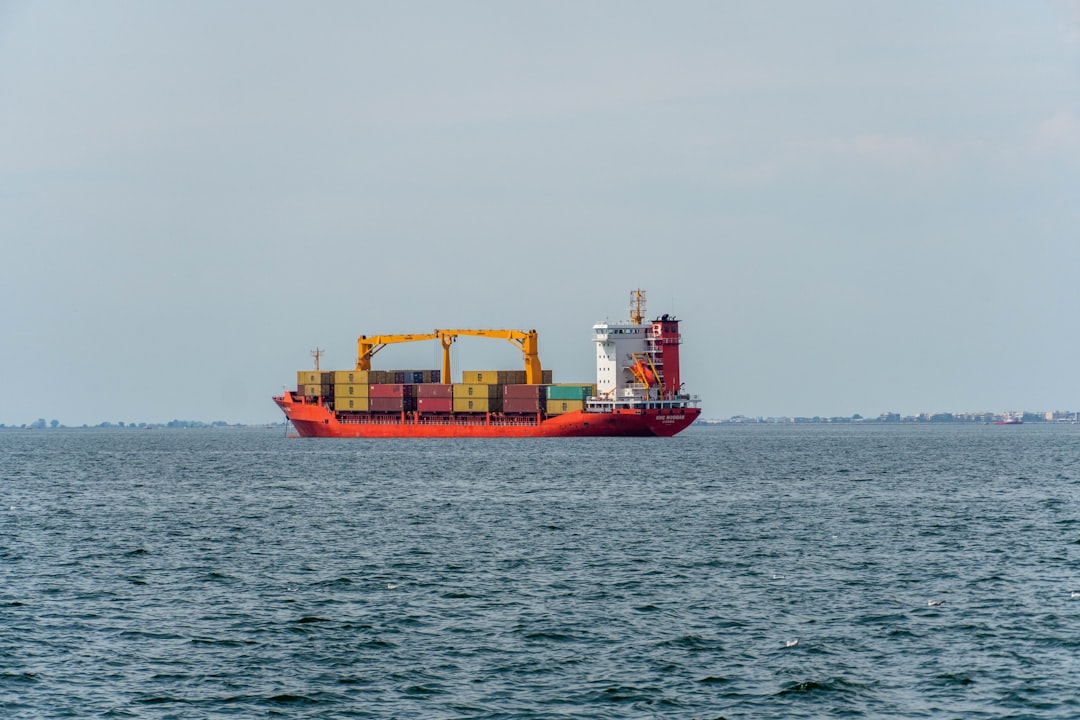
Overview of SPC Vinyl Click Flooring Shipping Dynamics to India
Market Demand and Product Classification
SPC (Stone Plastic Composite) Vinyl Click Flooring, classified under HS Code 3918.10, has seen a surge in demand within the Indian construction and interior design sectors. As a rigid, moisture-resistant, and durable flooring solution, it is increasingly favored for both commercial and residential projects. Importers must ensure precise classification under the 3918.10 subheading to comply with Indian customs regulations and avoid clearance delays.
Supply Chain Complexity
Shipping this product to India involves navigating a complex landscape of international trade policies, fluctuating ocean freight costs, and specific port-side operational challenges at the Port of Mundra. Given its weight and density, optimizing container utilization is critical for cost-effective logistics.
In-Depth Analysis of Maersk / MSC & Container Capacity
Carrier Service Reliability
Both Maersk and MSC maintain robust service loops connecting major global manufacturing hubs to the Port of Mundra. Maersk, in particular, has strategically enhanced its service rotations (such as the MECL loop) to prioritize Indian gateway ports, aiming to capture a larger share of the growing India-bound trade. MSC continues to offer extensive weekly sailings, though shippers should monitor transit times closely as these can vary based on the specific port rotation and transshipment requirements.
Capacity Management
In the current 2026 market, carriers are actively managing capacity through "blank sailings" and equipment repositioning to maintain rate stability. For importers of SPC flooring, it is essential to secure space well in advance, as equipment availability for heavy, dense cargo like flooring can occasionally tighten during peak export seasons from Asia.
Ocean Freight Rates & Cost Optimization for HS Code 391810
Current Freight Rate Environment
Ocean freight rates for the India trade lane have experienced significant volatility throughout early 2026. While rates have stabilized compared to the extreme peaks of previous years, they remain sensitive to geopolitical tensions and fuel surcharges.
| Route Segment | Estimated Rate Trend (FEU) | Market Outlook |
|---|---|---|
| Asia to Mundra | Moderate/Stable | Competitive due to high volume |
| Europe to Mundra | Rising | Impacted by fuel/surcharge adjustments |
Cost Optimization Strategies
- Maximize Payload: SPC flooring is heavy; ensure you are maximizing the weight capacity of your 20ft or 40ft containers to lower the per-unit shipping cost.
- Consolidation: If importing smaller volumes, utilize LCL (Less-than-Container Load) services to avoid paying for unused space.
- Advance Booking: Lock in rates 3–4 weeks prior to the expected loading date to hedge against sudden General Rate Increases (GRIs).
Port Container Tracking & Congestion at Port of Mundra
Current Congestion Metrics
As of June 2026, the Port of Mundra is experiencing medium congestion levels, with median vessel waiting times reported at approximately 2.04 days. While operations have largely normalized following previous weather-related disruptions, shippers should remain vigilant regarding landside bottlenecks.
Operational Challenges
Recent reports indicate that container train operators (CTOs) have faced challenges with rake pipelines and gate-in delays. Importers should coordinate closely with their freight forwarders to ensure that their cargo is not caught in terminal backlogs, which can lead to additional ground rent and storage fees.
Global Logistics Optimization & Supply Chain Strategies
Building Resilience
Multimodal Integration
Leverage India’s expanding network of Inland Container Depots (ICDs) and rail corridors. Moving goods by rail from Mundra to inland destinations can often be more cost-effective and reliable than relying solely on road transport, especially during peak seasons when truck availability is constrained.
Executive Summary & Future Outlook
Key Takeaways
- Regulatory Compliance: Ensure all documentation for HS Code 3918.10 is accurate to prevent customs holds at Mundra.
- Operational Awareness: Monitor the 2-day average wait time at Mundra and plan for potential 24-48 hour delays in gate-in/gate-out operations.
- Strategic Planning: Focus on long-term contracts with carriers to stabilize costs against the "managed volatility" currently seen in global freight indices.
Future Outlook
The outlook for 2026 suggests a "fragmented recovery" for Indian logistics. While infrastructure investments under the Sagarmala initiative are improving port velocity, geopolitical risks continue to influence shipping routes. Importers who prioritize digital visibility and maintain flexible transport planning will be best positioned to navigate the remainder of the year.
Sources & References
Data insights sourced from Portcast, Maersk, MSC, and industry reports from ET Infra regarding Mundra port operations as of June 2026.
- Shipping Pneumatic Air Cylinders to the Port of Valencia, Spain
- Shipping Semiconductor Microchips (HS 854231) to the Port of Montreal
- Shipping Tomato Paste Cans (HS 200290) to the Port of Gothenburg, Sweden
- Shipping SPC Vinyl Click Flooring to the Port of Antwerp-Bruges
- Shipping True Wireless Earbuds (HS 8517.62) to the Port of Alexandria, Egypt
- Shipping Semiconductor Microchips (HS 854231) to the Port of Sines, Portugal
- Shipping Centrifugal Water Pumps to the Port of San Antonio, Chile
- Shipping Digital Signage Monitors to the Port of Trieste, Italy
- Shipping Printed Circuit Boards (PCB) to Egypt via Port of Said
- Optimizing Logistics for Solid State Drives (SSD) Imports to the Port of Chittagong, Bangladesh