
 676 Visitors
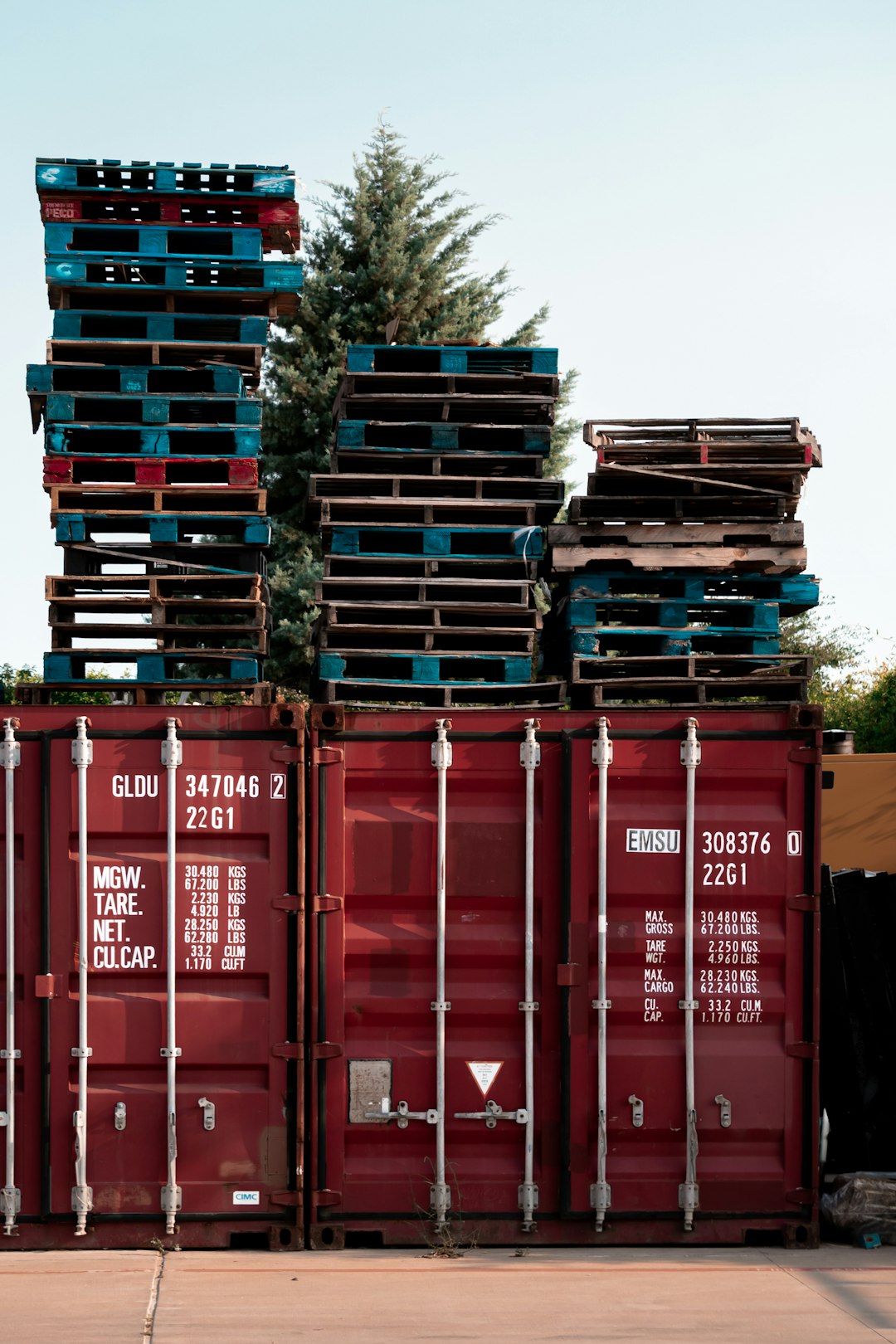
Overview of Submersible Sewage Pump Shipping Dynamics to/from Poland
Shipping industrial machinery, specifically submersible sewage pumps (HS Code 8413.70), requires precise classification and logistics planning to ensure seamless entry into the European Union. Poland has emerged as a critical logistics hub in Central Europe, with the Port of Gdansk serving as the primary maritime gateway for containerized cargo. As of June 2026, the trade environment for industrial equipment remains robust, though importers must navigate EU customs regulations and fluctuating shipping conditions.
Classification and Compliance (HS 8413.70)
Submersible sewage pumps are classified under the Harmonized System (HS) code 8413.70, which covers "other centrifugal pumps." Accurate classification is non-negotiable; incorrect HS coding can lead to customs delays, storage fees, and potential penalties. Importers should verify their specific sub-classification (e.g., single-stage vs. multi-stage) to ensure compliance with the EU's Common Customs Tariff (CCT).
Market Trends for Industrial Machinery
Poland's integration into trans-European transport corridors has made it a destination of choice for industrial goods. With the Port of Gdansk handling record container volumes, the infrastructure is well-equipped to manage heavy machinery, provided that shippers coordinate effectively with local customs authorities and utilize EORI-registered brokers.
In-Depth Analysis of Maersk / COSCO & Container Capacity
The global container shipping market remains highly concentrated, with major carriers like Maersk and COSCO controlling a significant portion of the capacity serving Northern Europe. For shipments to Gdansk, these carriers offer extensive feeder networks and direct deep-sea connections.
Carrier Capacity Management
In 2026, carriers are increasingly utilizing "blank sailings" and capacity management to stabilize spot rates. Shippers should anticipate that while capacity is generally available, lead times for booking space on major routes have tightened. Both Maersk and COSCO have invested heavily in digital booking platforms, allowing for real-time visibility and more reliable scheduling for industrial cargo.
Strategic Carrier Selection
When choosing between Maersk and COSCO for your sewage pump shipment, consider the specific origin port. Maersk often excels in integrated end-to-end logistics solutions, while COSCO provides strong connectivity for trans-Pacific and Asian trade lanes. Evaluating the "carrier-led routing" options is essential for minimizing transit times.
Ocean Freight Rates & Cost Optimization for HS Code 8413.70
Ocean freight rates are currently influenced by fuel surcharges (BAF), terminal handling charges (THC), and peak season surcharges (PSS). While specific rates fluctuate based on market demand, the following table provides a benchmark for logistics planning.
| Cost Component | Estimated Impact (Per FEU) | Strategic Note |
|---|---|---|
| Base Ocean Freight | $500 – $8,000+ | Highly dependent on origin and seasonality. |
| Bunker Adjustment (BAF) | 5% – 20% of Base | Fluctuates with global fuel prices. |
| Terminal Handling (THC) | $100 – $500 | Standard port-side handling fee. |
| Customs/Documentation | $75 – $400 | Essential for EU import compliance. |
Cost Optimization Strategies
- Consolidation: If shipping smaller volumes, utilize LCL (Less-than-Container Load) services to reduce costs, though FCL (Full Container Load) is recommended for heavy machinery to prevent damage.
- Incoterms: Carefully negotiate Incoterms (e.g., DAP or DDP) to clarify who bears the risk and cost of customs clearance and inland haulage in Poland.
Port Container Tracking & Congestion at Port of Gdansk
As of June 2026, the Port of Gdansk is maintaining high operational efficiency. Recent data indicates a low congestion index, with median vessel waiting times often under 0.1 days. However, shippers should remain vigilant regarding inland transport bottlenecks.
Real-Time Tracking Capabilities
Modern logistics platforms allow for granular tracking of containers from the moment they are discharged at the Baltic Hub. Utilizing the container number or Bill of Lading (BOL) via carrier portals or third-party tracking tools is critical for identifying potential holds or customs clearance delays before they impact your supply chain.
Managing Inland Logistics
While the port itself is efficient, the "cascade effect" of global supply chain disruptions can sometimes impact inland rail and barge connectivity. Ensure that your local trucking partners have pre-booked slots to avoid dwell time at the terminal gate.
Global Logistics Optimization & Supply Chain Strategies
To maintain a competitive edge, supply chain managers must move beyond reactive shipping. The current environment favors those who prioritize visibility and resilience.
Leveraging Digital Twins and Predictive Analytics
The Port of Gdansk is a leader in digital transformation, utilizing predictive analytics to manage cargo flow. Importers should integrate these data streams into their own ERP systems to anticipate arrival times and optimize warehouse staffing.
Nearshoring and Regional Warehousing
Given the volatility in global shipping, many companies are utilizing strategic warehouses in Poland to hold safety stock. By positioning inventory closer to the final destination, businesses can mitigate the risks of transit delays and ensure consistent supply for their clients.
Executive Summary & Future Outlook
- Classification: Always confirm HS 8413.70 sub-codes to avoid EU customs friction.
- Port Performance: The Port of Gdansk remains a high-performing, low-congestion hub in Northern Europe.
- Strategy: Prioritize end-to-end visibility and maintain strong partnerships with carriers like Maersk and COSCO.
- Future Outlook: Expect continued investment in port digitalization and intermodal connectivity, strengthening Poland's position as a premier European logistics gateway.
Sources & References
Baltic Hub Container Terminal Operations | Trade.gov.pl - Polish Logistics & Port Data | EU TARIC Database | Maersk Logistics Insights
- Shipping Pneumatic Air Cylinders to the Port of Valencia, Spain
- Shipping Semiconductor Microchips (HS 854231) to the Port of Montreal
- Shipping Tomato Paste Cans (HS 200290) to the Port of Gothenburg, Sweden
- Shipping SPC Vinyl Click Flooring to the Port of Antwerp-Bruges
- Shipping True Wireless Earbuds (HS 8517.62) to the Port of Alexandria, Egypt
- Shipping Semiconductor Microchips (HS 854231) to the Port of Sines, Portugal
- Shipping Centrifugal Water Pumps to the Port of San Antonio, Chile
- Shipping Digital Signage Monitors to the Port of Trieste, Italy
- Shipping Printed Circuit Boards (PCB) to Egypt via Port of Said
- Optimizing Logistics for Solid State Drives (SSD) Imports to the Port of Chittagong, Bangladesh