
 0 Visitors
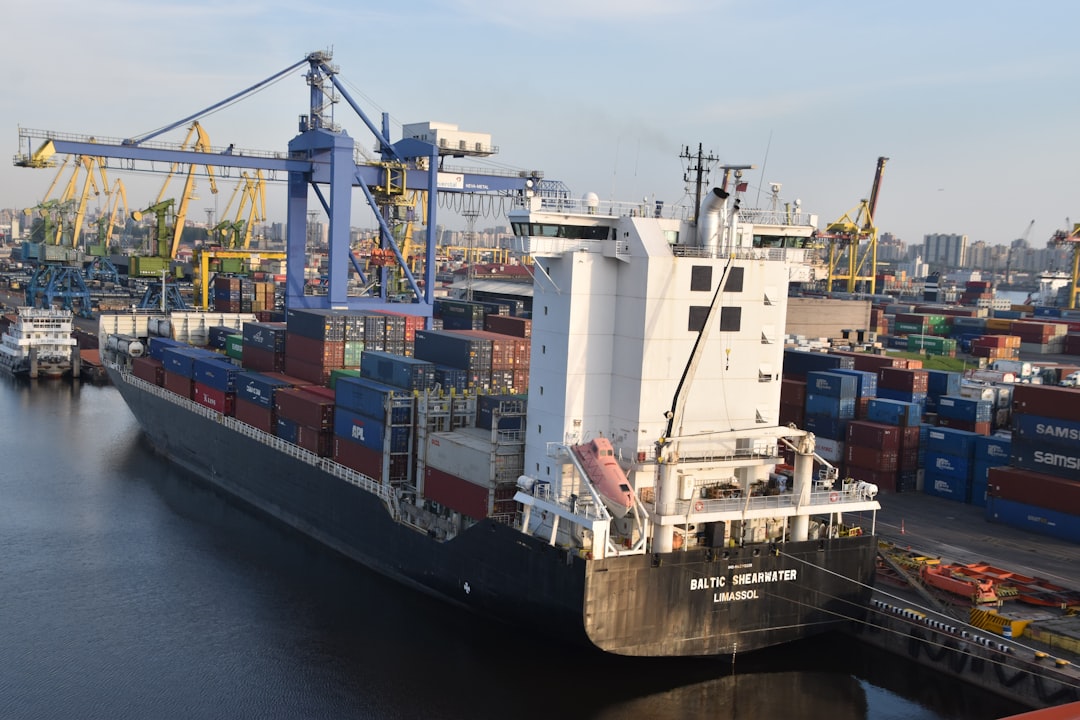
Overview of Individual Quick Frozen (IQF) Blueberries Shipping Dynamics to Indonesia
The import of temperature-sensitive goods like Individual Quick Frozen (IQF) blueberries into Indonesia requires a sophisticated understanding of cold chain integrity. As Indonesia continues to expand its middle-class consumption of premium imported fruits, the demand for reliable, high-quality frozen produce has surged. The Port of Tanjung Perak in Surabaya serves as the critical gateway for East Java and the broader eastern Indonesian archipelago, making it a pivotal node for your supply chain.
The Importance of Cold Chain Integrity
IQF blueberries are highly susceptible to temperature fluctuations. Maintaining a consistent temperature of -18°C or lower throughout the entire transit process is non-negotiable. Any deviation can lead to clumping, loss of texture, and significant quality degradation, rendering the product unsellable in premium retail markets.
Market Context for Frozen Produce
Indonesia’s regulatory environment for horticultural products is stringent. Importers must navigate the Indonesia National Single Window (INSW) to secure necessary import approvals, including the Business Identification Number (NIB) and specific Surveyor Reports (LS) required for food-grade imports under the HS Code 0811.20 category.
In-Depth Analysis of COSCO / Evergreen & Container Capacity
For shipments to Surabaya, major carriers like COSCO and Evergreen provide essential connectivity through intra-Asia loops. These carriers have historically optimized their services to link major Chinese manufacturing and export hubs with Southeast Asian gateways, including Tanjung Perak.
Carrier Service Reliability
COSCO and Evergreen operate dedicated services that integrate Surabaya into their global networks. By utilizing these carriers, shippers benefit from established reefer plug capacity and standardized handling procedures. In 2026, these lines have focused on "Ocean Alliance" product stability, ensuring that even amidst geopolitical shifts, the frequency of calls to Indonesian ports remains consistent.
Reefer Equipment Availability
The primary constraint in the current market is not vessel capacity, but the strategic positioning of 40' High Cube reefer containers. While global reefer plug capacity is generally ample, equipment availability in specific export regions can fluctuate. Early booking—at least 3-4 weeks in advance—is recommended to ensure your carrier can secure the necessary refrigerated units at the point of origin.
Ocean Freight Rates & Cost Optimization for HS Code 0811.20
Freight rates for refrigerated cargo are inherently more volatile than dry van rates due to the specialized equipment and energy requirements. While global container rates have seen a cooling trend in early 2026, reefer premiums remain firm due to the specialized nature of the equipment.
Comparative Freight Rate Trends (Estimated)
| Route Segment | Equipment Type | Estimated Rate Trend (2026) |
|---|---|---|
| Intra-Asia (e.g., China to Surabaya) | 40' High Cube Reefer | Stable to Moderate |
| Long-Haul (e.g., Americas to Surabaya) | 40' High Cube Reefer | Subject to Fuel/Surcharge Volatility |
Note: Exact rates are highly lane-specific and fluctuate based on seasonal demand and bunker adjustment factors (BAF). Always request a spot quote from your freight forwarder.
Cost Optimization Strategies
- Consolidation: If your volume does not justify a full container, explore LCL (Less-than-Container Load) reefer options, though these are limited and require careful coordination.
- Advance Booking: Secure your reefer slots early to avoid last-minute equipment repositioning surcharges.
- Incoterms: Carefully negotiate Incoterms to ensure you maintain control over the carrier selection, allowing you to prioritize lines with better reefer reliability.
Port Container Tracking & Congestion at Port of Tanjung Perak (Surabaya)
The Port of Tanjung Perak is the primary maritime hub for East Java. While it has seen significant infrastructure investment, it remains a busy terminal where operational efficiency is key to avoiding dwell-time costs.
Current Congestion Status
As of mid-2026, the Port of Tanjung Perak generally maintains a manageable congestion profile, though it is subject to periodic "bunching" of vessels. Shippers should monitor the Port Flow Score (PFS) and local terminal updates. Average vessel waiting times are typically low, but inland logistics (trucking) can occasionally create bottlenecks at the terminal gates.
Mitigating Dwell Time
Logistics Insight: To minimize dwell time, ensure all customs documentation (NIB, Import Notification, Surveyor Report) is pre-cleared via the INSW system before the vessel arrives. Utilizing the rail-linked container services at Tanjung Perak can also bypass road congestion for inland distribution.
Global Logistics Optimization & Supply Chain Strategies
Optimizing the supply chain for frozen blueberries requires a holistic approach that extends beyond the ocean voyage.
Cold Chain Visibility
Implement IoT-enabled tracking devices inside your reefer containers. These devices provide real-time data on temperature, humidity, and location, allowing you to intervene proactively if a technical failure occurs during transit.
Strategic Partnerships
Partner with local Indonesian logistics providers who specialize in cold chain distribution. A 3PL with a robust network of refrigerated trucks and cold storage facilities in East Java is essential for maintaining the product's quality from the port to the final retail destination.
Executive Summary & Future Outlook
Shipping IQF blueberries to Surabaya is a viable and growing trade lane, provided that shippers prioritize cold chain integrity and regulatory compliance. The market in 2026 is characterized by stable but lane-specific freight rates and a focus on operational resilience.
Key Takeaways
- Regulatory Compliance: Ensure all HS Code 0811.20 documentation is prepared well in advance to avoid customs delays.
- Equipment Planning: Book reefer containers early to mitigate risks associated with equipment shortages.
- Local Expertise: Leverage local Indonesian partners for last-mile refrigerated distribution to ensure the integrity of your frozen cargo.
Sources & References:
- Shipping Pneumatic Air Cylinders to the Port of Valencia, Spain
- Shipping Semiconductor Microchips (HS 854231) to the Port of Montreal
- Shipping Tomato Paste Cans (HS 200290) to the Port of Gothenburg, Sweden
- Shipping SPC Vinyl Click Flooring to the Port of Antwerp-Bruges
- Shipping True Wireless Earbuds (HS 8517.62) to the Port of Alexandria, Egypt
- Shipping Semiconductor Microchips (HS 854231) to the Port of Sines, Portugal
- Shipping Centrifugal Water Pumps to the Port of San Antonio, Chile
- Shipping Digital Signage Monitors to the Port of Trieste, Italy
- Shipping Printed Circuit Boards (PCB) to Egypt via Port of Said
- Optimizing Logistics for Solid State Drives (SSD) Imports to the Port of Chittagong, Bangladesh