
 449 Visitors
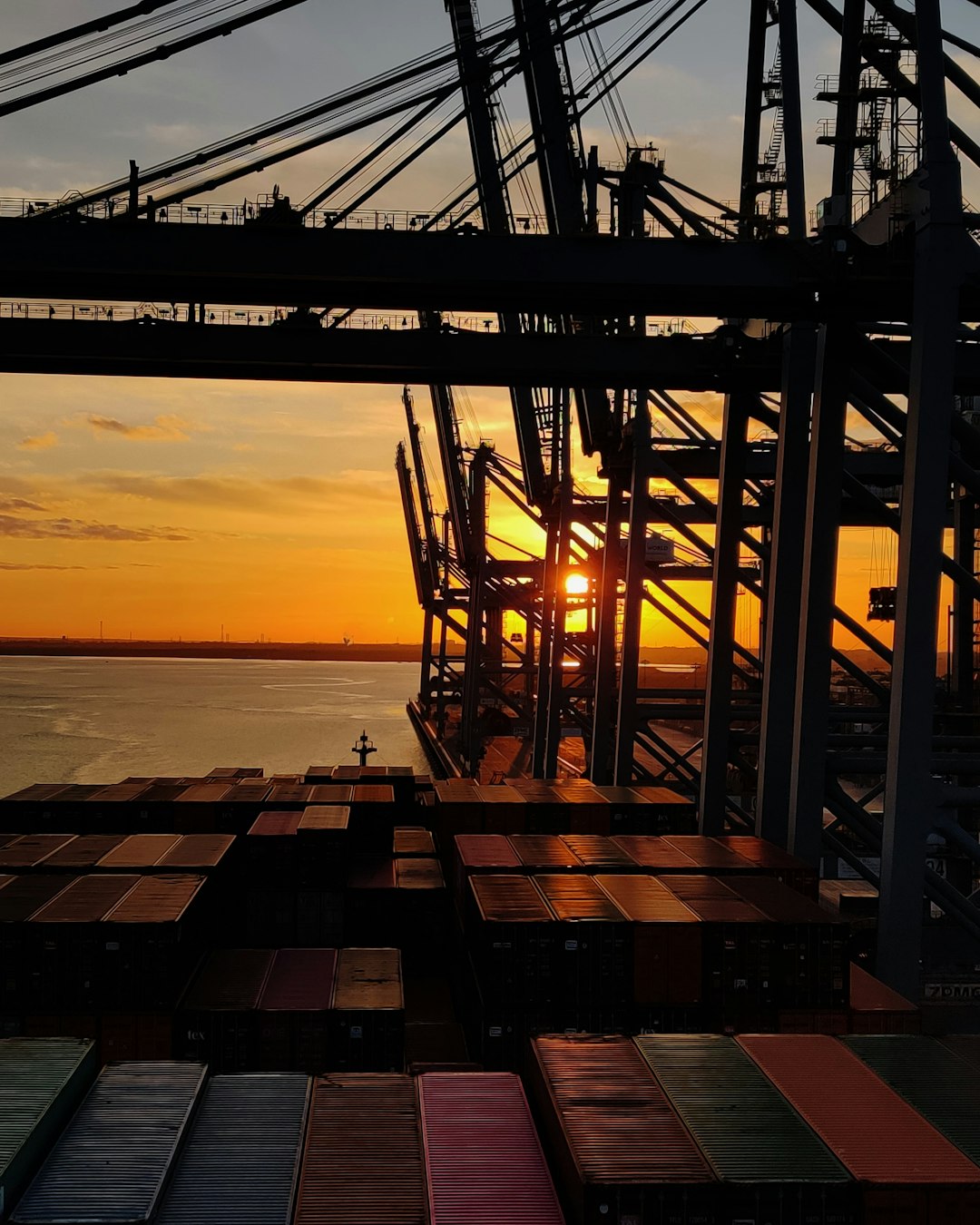
Overview of Diesel Power Generators Shipping Dynamics to/from Chile
The importation of diesel power generators, classified under HS Code 850211 (generating sets with compression-ignition internal combustion piston engines not exceeding 75 kVA), is a critical component of Chile's industrial and infrastructure supply chain. As Chile continues to expand its mining and remote-site operations, the demand for reliable, portable, and standby power remains high.
Market Demand and Regulatory Environment
Chile has established specific emission standards for generator sets to align with international environmental goals. Importers must ensure that equipment complies with local regulations, particularly for units operating in the Santiago Metropolitan Region, where particulate matter and NOx limits are strictly enforced. Compliance with these standards is not merely a legal requirement but a prerequisite for seamless customs clearance.
Strategic Importance of the Port of Valparaiso
The Port of Valparaiso serves as a primary gateway for manufactured goods and industrial machinery. While the port faces periodic operational challenges—such as weather-related swells or labor-related terminal transitions—it remains a vital node for importers targeting the central Chilean market.
In-Depth Analysis of Maersk & CMA CGM Container Capacity
Major carriers like Maersk and CMA CGM continue to dominate the trade lanes serving South America. As of mid-2026, these carriers have reported strong container demand and have adjusted their global networks to manage capacity amidst ongoing geopolitical disruptions.
Carrier Strategy and Capacity Management
Both Maersk and CMA CGM have implemented sophisticated capacity management strategies, including the use of hub-and-spoke models to maintain efficiency. For shippers of heavy machinery like diesel generators, these carriers offer specialized equipment, including open-top or flat-rack containers if the generators exceed standard dimensions.
Impact of Global Freight Trends
Recent financial guidance from major carriers indicates a period of sustained freight rate strength driven by resilient demand in Asia and network adjustments. Shippers should anticipate that these carriers will prioritize high-yield cargo, making early booking and accurate volume forecasting essential for securing space on vessels bound for Valparaiso.
Ocean Freight Rates & Cost Optimization for HS Code 850211
Freight rates for industrial machinery are currently influenced by global bunker fuel costs and the scarcity of specialized container equipment. While exact spot rates fluctuate daily based on origin and carrier availability, the following table provides a framework for understanding cost drivers.
| Cost Factor | Impact on Total Landed Cost | Optimization Strategy |
|---|---|---|
| Ocean Freight (Spot) | High (Volatile) | Leverage contract rates for recurring shipments. |
| Equipment Surcharges | Moderate | Use standard containers where possible to avoid specialized equipment fees. |
| Demurrage & Detention | High | Ensure rapid customs clearance to minimize port dwell time. |
Cost Optimization Strategies
- Consolidation: If importing multiple units, consider LCL (Less-than-Container Load) consolidation to reduce per-unit shipping costs.
- Inland Coordination: Coordinate with local Chilean drayage providers early to avoid "chassis splits" and inland congestion fees.
Port Container Tracking & Congestion at Port of Valparaiso
Monitoring port congestion is vital for maintaining supply chain continuity. As of June 2026, the Port of Valparaiso has demonstrated relatively stable operations, with median vessel waiting times remaining low (approximately 0.08 days).
Real-Time Operational Status
Mitigating Delay Risks
To avoid bottlenecks, ensure that all documentation—including commercial invoices, certificates of origin, and packing lists—is submitted to the Chilean customs authorities via the SICEX system well in advance of vessel arrival.
Global Logistics Optimization & Supply Chain Strategies
Optimizing the supply chain for heavy machinery requires a proactive approach to risk management. In the Chilean market, this involves integrating digital visibility tools with local expertise.
Building Resilience
Companies should diversify their logistics partners to include local distributors who understand the specific requirements of the Chilean mining and industrial sectors. Furthermore, maintaining a buffer of critical spare parts locally can mitigate the impact of any unforeseen shipping delays.
Digital Integration
Leveraging platforms that offer predictive visibility and automated freight audits can help logistics managers identify potential disruptions before they impact the bottom line.
Executive Summary & Future Outlook
The shipping landscape for diesel power generators to Chile remains robust but requires careful navigation of global freight rate volatility and local regulatory compliance. By partnering with reliable carriers like Maersk or CMA CGM and maintaining strict control over documentation and port-side logistics, businesses can effectively manage their landed costs and ensure project timelines are met.
Key Takeaways
- Compliance: Ensure all generators meet Chile's emission standards (EU Stage IIIA/EPA Tier 3 or higher).
- Visibility: Use real-time tracking to monitor Valparaiso terminal status.
- Planning: Book space early to avoid the impact of carrier capacity management.
Sources & References:
- Shipping Pneumatic Air Cylinders to the Port of Valencia, Spain
- Shipping Semiconductor Microchips (HS 854231) to the Port of Montreal
- Shipping Tomato Paste Cans (HS 200290) to the Port of Gothenburg, Sweden
- Shipping SPC Vinyl Click Flooring to the Port of Antwerp-Bruges
- Shipping True Wireless Earbuds (HS 8517.62) to the Port of Alexandria, Egypt
- Shipping Semiconductor Microchips (HS 854231) to the Port of Sines, Portugal
- Shipping Centrifugal Water Pumps to the Port of San Antonio, Chile
- Shipping Digital Signage Monitors to the Port of Trieste, Italy
- Shipping Printed Circuit Boards (PCB) to Egypt via Port of Said
- Optimizing Logistics for Solid State Drives (SSD) Imports to the Port of Chittagong, Bangladesh