
 423 Visitors
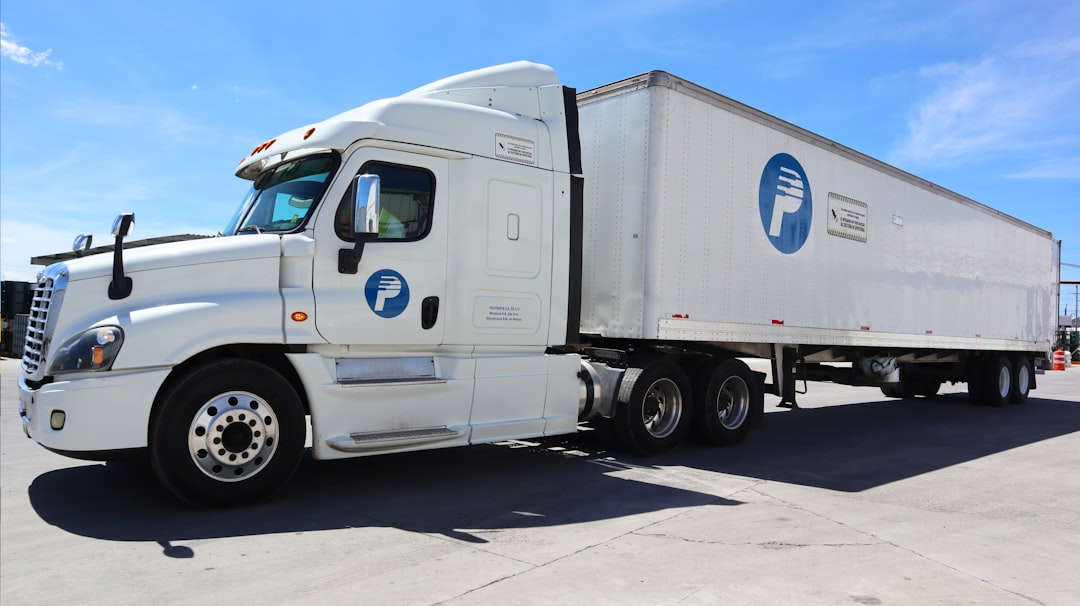
Overview of Natural Bamboo Flooring Shipping Dynamics to/from Panama
Shipping natural bamboo flooring—classified under HS Code 440921—to Panama requires a nuanced understanding of both the regional trade environment and the specific handling requirements for construction materials. As a high-density, moisture-sensitive product, bamboo flooring demands careful container selection and climate-controlled logistics to prevent warping or mold during transit.
Market Demand and Regulatory Compliance
Panama serves as a critical transshipment hub for the Americas. Importers of construction materials like bamboo flooring must comply with Panamanian customs regulations, which prioritize accurate classification under the Harmonized System. While import licenses are generally not required for this category, ensuring that your documentation—specifically the Commercial Invoice and Bill of Lading—is precise is vital to avoid customs holds that can last 7 to 30 days.
Trade Agreements and Duty Structures
Under the U.S.-Panama Trade Promotion Agreement, many products enter duty-free. However, for bamboo flooring originating from other regions, importers should expect ad valorem duties typically ranging from 0% to 15%, plus a 7% ITBMS (Value Added Tax) calculated on the CIF (Cost, Insurance, and Freight) value.
In-Depth Analysis of MSC & Canal Hub Container Capacity
The Mediterranean Shipping Company (MSC) maintains a robust presence in Panama, utilizing the Port of Balboa as a strategic node for its global network. With over 30 weekly services calling at Panamanian terminals, MSC provides the necessary frequency for consistent supply chain replenishment.
Carrier Reliability and Service Frequency
MSC’s integration with the Panama Canal transit system allows for efficient routing between Asia, the Americas, and Europe. Their "2Vision" digital platform enables shippers to manage bookings, submit Verified Gross Mass (VGM) documentation, and track container status in real-time, which is essential for mitigating the risks associated with volatile transit schedules.
Capacity Management in 2026
Despite global overcapacity in the container fleet, specific trade lanes to Latin America remain sensitive to carrier capacity management. MSC has demonstrated resilience by maintaining regular service calls at Balboa, even amidst regional legal and operational transitions regarding port concessions.
Ocean Freight Rates & Cost Optimization for HS Code 440921
Freight rates in 2026 are characterized by "fluctuating stability." While the post-pandemic spikes have subsided, geopolitical tensions and bunker fuel adjustments continue to influence spot rates.
Comparative Freight Rate Trends (Estimated)
| Route Segment | Estimated Spot Rate (per 40' HC) | Trend Outlook |
|---|---|---|
| Asia to Panama (Pacific) | $3,200 - $4,800 | Volatile due to Canal demand |
| US/Europe to Panama | $1,800 - $2,600 | Stable |
Cost Optimization Strategies
- Hybrid Contracting: Combine long-term contracts for base volume with spot market bookings for seasonal surges.
- CIF Value Management: Since Panama calculates taxes on the CIF value, ensure insurance and freight costs are transparently documented to avoid over-taxation.
- Consolidation: For smaller shipments, utilize LCL (Less than Container Load) services to reduce per-unit shipping costs.
Port Container Tracking & Congestion at Port of Balboa
The Port of Balboa, located at the Pacific entrance of the Panama Canal, is a high-traffic terminal. While the Panama Canal Authority (ACP) reports resilient operations in 2026, the port remains susceptible to "bottleneck effects" caused by global maritime disruptions.
Managing Port Congestion
Congestion at Balboa is often tied to vessel bunching and inland flow efficiency rather than berth availability. Importers should monitor the ACP’s daily transit reports and coordinate closely with local customs brokers to ensure that documentation is pre-cleared before vessel arrival.
Tracking and Visibility
Global Logistics Optimization & Supply Chain Strategies
To maintain a competitive edge when importing bamboo flooring, supply chain managers must move beyond simple freight procurement and adopt a data-driven approach.
Strategic Recommendations
- Diversify Port Gateways: If Balboa experiences seasonal congestion, evaluate alternative terminals like Rodman or Colon to maintain flow.
- Climate-Controlled Storage: Bamboo is susceptible to humidity. Ensure your logistics provider offers dry, ventilated warehousing upon arrival in Panama.
- Data-First Documentation: Use digital platforms to automate the submission of Certificates of Origin and commercial invoices to minimize manual entry errors that lead to customs delays.
Executive Summary & Future Outlook
The outlook for shipping natural bamboo flooring to Panama in 2026 remains positive, provided that shippers account for the volatility in the Panama Canal transit auctions and global bunker fuel costs. By leveraging the established services of carriers like MSC and maintaining strict compliance with Panamanian customs, businesses can ensure a steady and cost-effective supply chain.
Sources & References
MSC Panama Official Logistics Portal
U.S. International Trade Administration - Panama Customs Regulations
Panama Canal Authority (ACP) Operational Updates 2026
FreightAmigo: 2026 Import Tax & Customs Guide for Panama
- Shipping Pneumatic Air Cylinders to the Port of Valencia, Spain
- Shipping Semiconductor Microchips (HS 854231) to the Port of Montreal
- Shipping Tomato Paste Cans (HS 200290) to the Port of Gothenburg, Sweden
- Shipping SPC Vinyl Click Flooring to the Port of Antwerp-Bruges
- Shipping True Wireless Earbuds (HS 8517.62) to the Port of Alexandria, Egypt
- Shipping Semiconductor Microchips (HS 854231) to the Port of Sines, Portugal
- Shipping Centrifugal Water Pumps to the Port of San Antonio, Chile
- Shipping Digital Signage Monitors to the Port of Trieste, Italy
- Shipping Printed Circuit Boards (PCB) to Egypt via Port of Said
- Optimizing Logistics for Solid State Drives (SSD) Imports to the Port of Chittagong, Bangladesh