
 362 Visitors
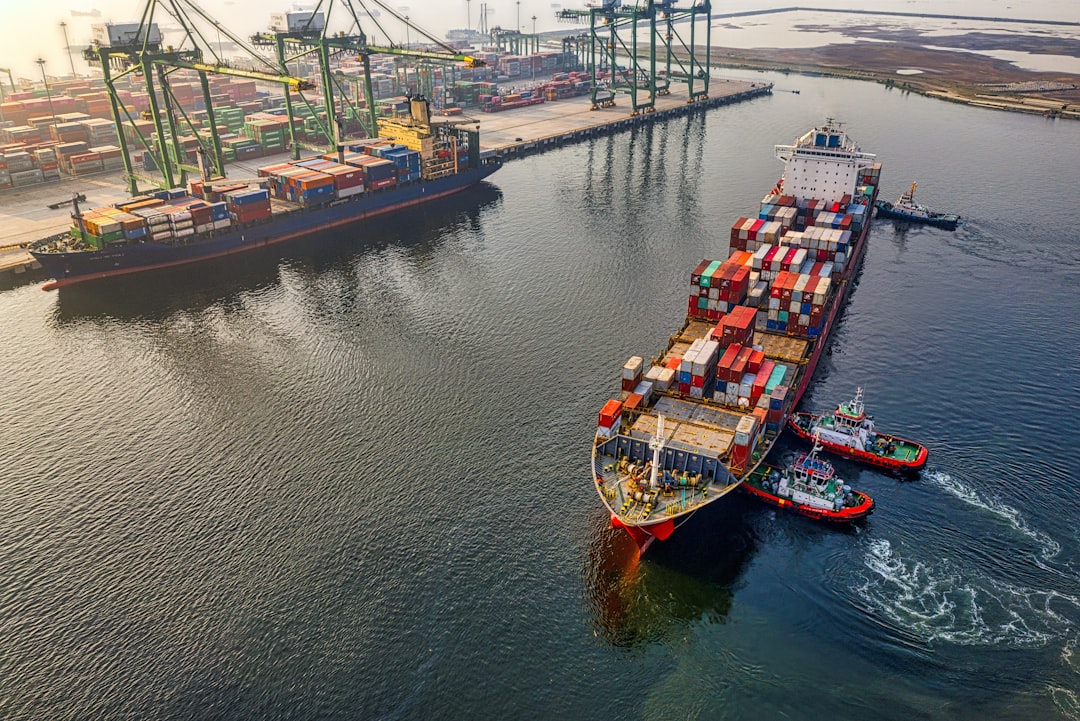
Overview of CO2 Laser Engraving Beds Shipping Dynamics to/from Turkey
Classification and Regulatory Compliance (HS Code 8456.11)
CO2 laser engraving beds fall under the HS Code prefix 8456.11, which covers machine tools for working any material by removal of material, operated by laser. When importing these high-precision industrial tools into Turkey, shippers must ensure accurate classification to avoid customs delays. Typically, these machines are categorized under 8456.11.90 (Other), and importers should be prepared for standard customs duties and potential dual-use licensing requirements if the equipment specifications meet certain industrial thresholds.
Market Trends and Trade Flow
Turkey has emerged as a vital logistics hub in the Eastern Mediterranean. The Port of Mersin, in particular, has seen a surge in container throughput, handling nearly 500,000 TEUs in Q1 2026 alone. As an importer of industrial machinery, understanding that Mersin acts as a primary gateway for the Middle East and Central Asia is critical for optimizing your supply chain lead times.
In-Depth Analysis of Maersk / Tarros & Container Capacity
Carrier Capabilities in the Turkish Market
Both Maersk and Tarros maintain a significant presence in the Turkish maritime sector. Maersk provides comprehensive end-to-end logistics, including inland trucking and rail connectivity, which is essential for moving heavy machinery like laser engraving beds from the port to inland industrial zones. Tarros, often operating in joint ventures within the region, specializes in Mediterranean and North African trade lanes, offering flexible, high-frequency feeder services that connect Mersin to major European and regional hubs.
Capacity and Equipment Availability
While global vessel capacity has expanded, carriers are managing space tightly due to ongoing geopolitical risks. For specialized machinery, it is recommended to secure space well in advance. Both carriers offer various container types, including standard dry containers and specialized equipment (e.g., Flat Racks or Open Tops) if your laser engraving beds exceed standard dimensions.
Ocean Freight Rates & Cost Optimization for HS Code 8456.11
Current Freight Rate Environment
As of mid-2026, ocean freight rates remain volatile due to geopolitical tensions and rerouting around the Cape of Good Hope. While the market has moved away from the extreme peaks of previous years, shippers should anticipate elevated costs compared to pre-crisis levels.
| Route Segment | Estimated Rate Trend (2026) | Key Cost Drivers |
|---|---|---|
| Asia to Mediterranean (Mersin) | Highly Volatile / Elevated | Fuel surcharges, War Risk Surcharges |
| Europe to Turkey (Short Sea) | Stable to Moderate | Bunker Adjustment Factors (BAF) |
Cost Optimization Strategies
- Contract vs. Spot: Evaluate the gap between your contracted rates and current spot market offerings. In a buyer's market, locking in long-term contracts may provide stability, but spot rates can offer savings during periods of overcapacity.
- Inland Logistics: Utilize Maersk’s integrated inland services (truck/rail) to avoid fragmented billing and reduce the risk of demurrage and detention charges.
Port Container Tracking & Congestion at Port of Mersin
Current Operational Status
The Port of Mersin is currently experiencing moderate congestion, with average vessel waiting times reported at approximately 3 days. While this is manageable, shippers should monitor "vessel bunching" and inland transport fluidity, as delays at the quayside can ripple into rail and truck availability.
Tracking and Visibility
To mitigate the impact of potential delays, utilize real-time container tracking tools provided by your carrier. Given the high value of industrial machinery like CO2 laser engraving beds, proactive monitoring of your container's status—from discharge to gate-out—is essential for maintaining your production schedule.
Global Logistics Optimization & Supply Chain Strategies
Multimodal Integration
Turkey’s 2053 Transportation and Logistics Master Plan emphasizes the integration of rail and sea. For heavy machinery, consider rail-port integration to move cargo from Mersin to inland industrial hubs. This reduces reliance on road transport, which can be subject to driver shortages and fuel price volatility.
Risk Mitigation
Executive Summary & Future Outlook
Strategic Takeaways
- Infrastructure Growth: Turkey is actively expanding its port capacity, including plans for a new 5-million TEU logistics port in Mersin, signaling long-term stability for importers.
- Market Volatility: While the shipping market is more structured than in 2022, geopolitical factors continue to keep rates and transit times higher than historical norms.
- Actionable Advice: Prioritize booking space early, verify HS code classification (8456.11) with your customs broker, and leverage integrated carrier services to streamline the final mile.
Sources & References
Data and insights provided are based on current market reports from Maersk, Tarros Group, Türkiye Today, and industry-standard logistics intelligence platforms including GoComet and Kuehne+Nagel.
- Shipping Pneumatic Air Cylinders to the Port of Valencia, Spain
- Shipping Semiconductor Microchips (HS 854231) to the Port of Montreal
- Shipping Tomato Paste Cans (HS 200290) to the Port of Gothenburg, Sweden
- Shipping SPC Vinyl Click Flooring to the Port of Antwerp-Bruges
- Shipping True Wireless Earbuds (HS 8517.62) to the Port of Alexandria, Egypt
- Shipping Semiconductor Microchips (HS 854231) to the Port of Sines, Portugal
- Shipping Centrifugal Water Pumps to the Port of San Antonio, Chile
- Shipping Digital Signage Monitors to the Port of Trieste, Italy
- Shipping Printed Circuit Boards (PCB) to Egypt via Port of Said
- Optimizing Logistics for Solid State Drives (SSD) Imports to the Port of Chittagong, Bangladesh