
 345 Visitors
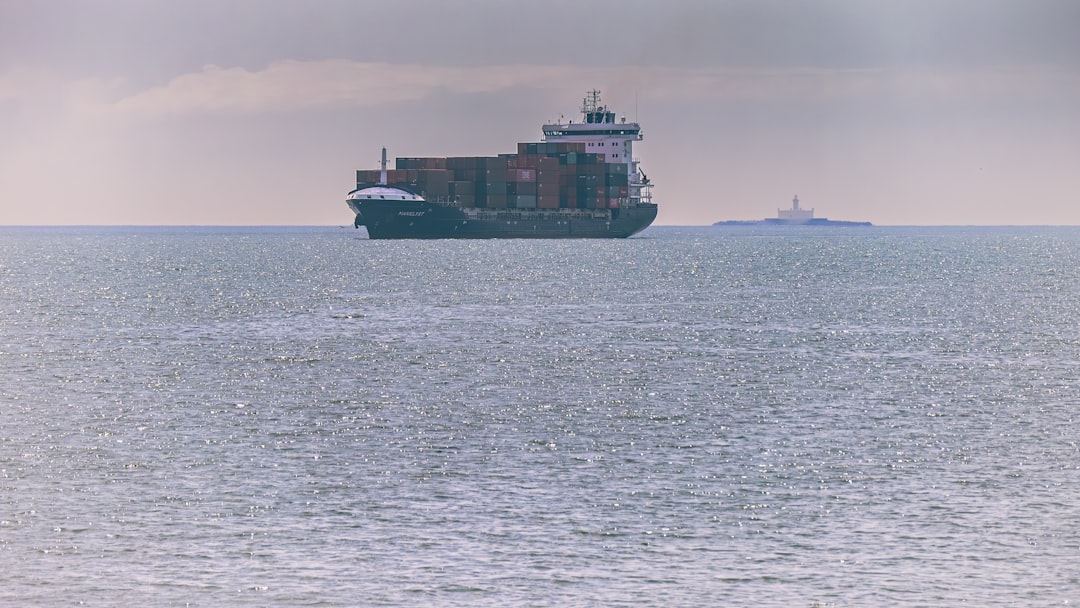
Overview of Diesel Power Generators Shipping Dynamics to/from Indonesia
Understanding HS Code 850211 Classification
Diesel power generators, specifically those with an output not exceeding 75 kVA, are classified under HS Code 850211. This classification is critical for Indonesian customs, as it dictates the applicable import duties, VAT, and potential regulatory requirements. Proper classification ensures compliance with the Indonesian Customs Tariff Book and prevents costly delays at the port of entry.
Market Demand and Regulatory Environment
Indonesia’s rapid industrialization and infrastructure development have driven a consistent demand for reliable power solutions. As of 2026, the import of machinery, including diesel generators, is subject to strict documentation requirements, including the Single Business Number (NIB) and potential technical permits from the Ministry of Industry. Importers must ensure that their cargo documentation is precise to navigate the risk-based inspection system effectively.
In-Depth Analysis of COSCO / Evergreen & Container Capacity
The OCEAN Alliance Advantage
COSCO and Evergreen, as key members of the OCEAN Alliance, provide robust connectivity for shipments destined for Indonesia. The recent extension of the OCEAN Alliance cooperation until 2032 ensures long-term stability in service frequency and port coverage for the Asia-Indonesia trade lanes. These carriers utilize modern, fuel-efficient vessels, which is increasingly important as global shipping lines prioritize decarbonization and operational efficiency.
Service Reliability and Network Coverage
Evergreen and COSCO have historically maintained strong links to Surabaya, often utilizing direct calls or efficient transshipment hubs in Singapore or Port Kelang. For shippers moving heavy machinery like diesel generators, these carriers offer specialized equipment (such as flat racks or open-top containers if required) and reliable scheduling that helps in managing the "just-in-time" requirements of industrial projects in East Java.
Ocean Freight Rates & Cost Optimization for HS Code 850211
Current Freight Rate Trends (June 2026)
The global ocean freight market in mid-2026 is experiencing an early peak season, characterized by rising spot rates and increased demand. Shippers should anticipate volatility in pricing due to geopolitical risks and capacity management strategies employed by major carriers.
| Route Segment | Market Status (June 2026) | Cost Drivers |
|---|---|---|
| Asia to Indonesia (Intra-Asia) | Rising / Volatile | Early peak season demand, fuel surcharges |
| Global Container Index | Up 66.97% YoY | Capacity constraints, Red Sea diversions |
Cost Optimization Strategies
- Consolidation: For smaller shipments, utilize LCL (Less than Container Load) services to optimize costs, though FCL (Full Container Load) is recommended for heavy generator sets to ensure safety.
- Advance Booking: With the early start to the 2026 peak season, secure space at least 4-6 weeks in advance to avoid last-minute premium surcharges.
- Duty Management: Leverage potential import duty exemptions for heavy machinery by consulting with the Ministry of Finance regarding specific project-based incentives.
Port Container Tracking & Congestion at Port of Tanjung Perak (Surabaya)
Current Congestion Metrics
As of April 2026, the Port of Tanjung Perak has reported average vessel wait times of approximately 1.8 days. While this is relatively stable compared to global hotspots, the port remains "busy and brittle." Operational efficiency is being bolstered by the ongoing transformation program at the Surabaya Container Terminal (TPS), which includes the deployment of new electric container cranes and rubber-tyred gantry cranes.
Monitoring Your Cargo
Supply chain managers should utilize real-time tracking tools to monitor vessel berthing and terminal processing. Because Tanjung Perak serves as the primary gateway for Eastern Indonesia, yard density can fluctuate rapidly. Proactive communication with your freight forwarder is essential to anticipate potential "long-tail" delays that may affect specific shipments.
Global Logistics Optimization & Supply Chain Strategies
Leveraging Surabaya as a Regional Hub
Surabaya is strategically positioned as the "Hub of Eastern Indonesia." Companies importing diesel generators should consider the proximity of the port to the Trans-Java Toll Road, which facilitates efficient distribution to industrial belts in Gresik, Sidoarjo, and Mojokerto. Selecting a distribution center with direct access to these logistics corridors can significantly reduce inland transportation costs.
Risk Mitigation in a Volatile Market
Logistics Insight: In 2026, the era of predictable shipping cycles has been replaced by a "new volatility baseline." Shippers must prioritize flexibility, maintain buffer stocks, and diversify their carrier mix to mitigate the impact of sudden rate spikes or port disruptions.
Executive Summary & Future Outlook
Key Takeaways for 2026
- Compliance First: Ensure HS Code 850211 is accurately declared to avoid customs penalties and delays.
- Capacity Planning: Partner with established carriers like COSCO and Evergreen, but remain aware of the early peak season pressures.
- Infrastructure Awareness: Monitor the operational upgrades at Tanjung Perak to leverage improved terminal productivity.
Sources & References
Indonesia National Single Window (INSW) | Portcast Port Congestion Data | Trading Economics (Freight Index) | Everstream Analytics (Port Reports)
- Shipping Pneumatic Air Cylinders to the Port of Valencia, Spain
- Shipping Semiconductor Microchips (HS 854231) to the Port of Montreal
- Shipping Tomato Paste Cans (HS 200290) to the Port of Gothenburg, Sweden
- Shipping SPC Vinyl Click Flooring to the Port of Antwerp-Bruges
- Shipping True Wireless Earbuds (HS 8517.62) to the Port of Alexandria, Egypt
- Shipping Semiconductor Microchips (HS 854231) to the Port of Sines, Portugal
- Shipping Centrifugal Water Pumps to the Port of San Antonio, Chile
- Shipping Digital Signage Monitors to the Port of Trieste, Italy
- Shipping Printed Circuit Boards (PCB) to Egypt via Port of Said
- Optimizing Logistics for Solid State Drives (SSD) Imports to the Port of Chittagong, Bangladesh