
 385 Visitors
Overview of Flat-Pack Modular Kitchen Units Shipping Dynamics to/from Panama
Shipping flat-pack modular kitchen units (HS Code 9403.40) to Panama requires a nuanced understanding of both the physical characteristics of the cargo and the regulatory environment of the destination. As these units are typically shipped in a disassembled, "flat-pack" state, they are highly space-efficient, making them ideal candidates for both Full Container Load (FCL) and Less than Container Load (LCL) shipping methods.
Cargo Characteristics and Handling
Modular kitchen units are sensitive to moisture and physical impact. Proper palletization and shrink-wrapping are essential to protect the integrity of the wood panels and hardware during transit. Given that Panama’s climate can be humid, moisture-absorbent packaging or desiccants are highly recommended for long-haul ocean freight.
Market Demand in Panama
Panama continues to see steady demand for high-quality, imported kitchen cabinetry, particularly for residential and commercial real estate developments. Importers often utilize freight forwarders in major hubs like Miami to consolidate shipments before moving them via ocean freight to Panamanian ports.
In-Depth Analysis of Main Shipping Line & Container Capacity
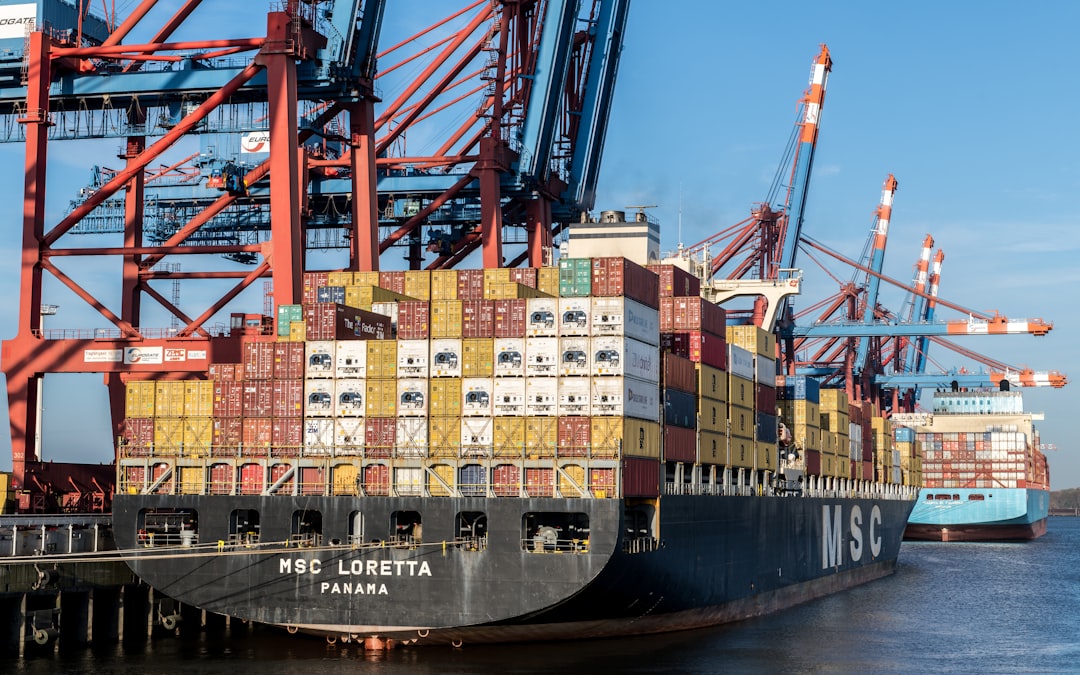
The Mediterranean Shipping Company (MSC) maintains a significant presence in Panama, operating through various terminals including the Port of Balboa. MSC provides comprehensive global coverage, connecting major manufacturing hubs in Asia and North America to the Panama Canal transit zone.
MSC’s Operational Footprint
MSC utilizes a robust network of feeder and mainline services to serve the Panamanian market. Their ability to handle diverse cargo types—from standard dry containers to specialized project cargo—makes them a preferred carrier for furniture and modular unit importers. As of mid-2026, MSC continues to optimize its route rotations to maintain schedule reliability despite regional geopolitical pressures.
Capacity and Equipment Availability
While global container capacity has seen a 10-15% increase in recent years, carriers like MSC are balancing this overcapacity with strategic blank sailings to manage spot rate volatility. For shippers of modular units, securing equipment (20ft or 40ft containers) in advance is critical during peak seasonal windows (typically August–October).
Ocean Freight Rates & Cost Optimization for HS Code 9403.40
Freight rates for shipping to Panama are currently influenced by a "fluctuating normal" market. While the extreme peaks of the pandemic have subsided, disruption premiums remain a factor for routes dependent on the Panama Canal.
Comparative Freight Rate Trends (Estimated)
| Route/Service Type | Estimated Rate (40ft Container) | Volatility Status |
|---|---|---|
| US East Coast to Balboa (FCL) | $2,500 - $4,000 | Moderate |
| Asia to Balboa (FCL) | $3,500 - $5,500 | High |
| LCL (per cubic meter) | $12 - $20 per cu. ft. | Stable |
Cost Optimization Strategies
- Consolidation: For smaller volumes, utilize LCL services to reduce costs, ensuring your freight forwarder provides accurate volume calculations.
- Advance Booking: Avoid last-minute auction slots for canal transits by booking your container space at least 4-6 weeks in advance.
- Documentation Accuracy: Ensure the HS Code 9403.40 is clearly stated on all commercial invoices to prevent customs delays and potential fines.
Port Container Tracking & Congestion at Port of Balboa
The Port of Balboa, located at the Pacific entrance of the Panama Canal, is a critical node in global trade. As of June 2026, the port is experiencing high activity levels, with container transit volumes showing growth compared to previous years.
Current Congestion Status
While the Panama Canal Authority has maintained that the waterway is operational and reliable, maintenance works (such as the June 2026 lock maintenance) can lead to temporary reductions in daily transit slots. Shippers should monitor real-time vessel tracking for any "bunching" of vessels at the Pacific anchorage.
Operational Resilience
Global Logistics Optimization & Supply Chain Strategies
Optimizing the supply chain for modular kitchen units involves more than just ocean freight; it requires a holistic approach to inland drayage and customs clearance.
Customs and Regulatory Compliance
HS Code 9403.40 specifically covers wooden kitchen furniture. Importers must ensure compliance with local Panamanian import regulations, including the provision of accurate certificates of origin and detailed packing lists. Working with a local customs broker in Panama is highly recommended to navigate the specific requirements of the National Customs Authority.
End-to-End Visibility
Leveraging digital logistics platforms allows shippers to track their containers from the factory floor to the final delivery address in Panama. Real-time tracking is essential for managing inventory levels, especially for construction projects where "just-in-time" delivery is required for installation teams.
Executive Summary & Future Outlook
The shipping landscape for modular kitchen units to Panama in 2026 is characterized by resilient, albeit complex, logistics networks. While the Panama Canal remains the primary artery for trade, shippers must remain agile, accounting for seasonal maintenance and potential fluctuations in spot rates.
Key Takeaways
- Plan Ahead: Secure container space early to avoid peak season surcharges and capacity constraints.
- Monitor Canal Status: Stay updated on Panama Canal transit slot availability, especially during scheduled maintenance periods.
- Leverage Expertise: Partner with experienced freight forwarders who have a deep understanding of the Balboa terminal operations and Panamanian customs.
Sources & References
MSC Panama Local Services & Schedules | Panama Canal Authority (ACP) Operational Updates | DatamarNews: Panama Logistics & Port Concessions | BIMCO Shipping Market Analysis
- Shipping Pneumatic Air Cylinders to the Port of Valencia, Spain
- Shipping Semiconductor Microchips (HS 854231) to the Port of Montreal
- Shipping Tomato Paste Cans (HS 200290) to the Port of Gothenburg, Sweden
- Shipping SPC Vinyl Click Flooring to the Port of Antwerp-Bruges
- Shipping True Wireless Earbuds (HS 8517.62) to the Port of Alexandria, Egypt
- Shipping Semiconductor Microchips (HS 854231) to the Port of Sines, Portugal
- Shipping Centrifugal Water Pumps to the Port of San Antonio, Chile
- Shipping Digital Signage Monitors to the Port of Trieste, Italy
- Shipping Printed Circuit Boards (PCB) to Egypt via Port of Said
- Optimizing Logistics for Solid State Drives (SSD) Imports to the Port of Chittagong, Bangladesh