
 0 Visitors
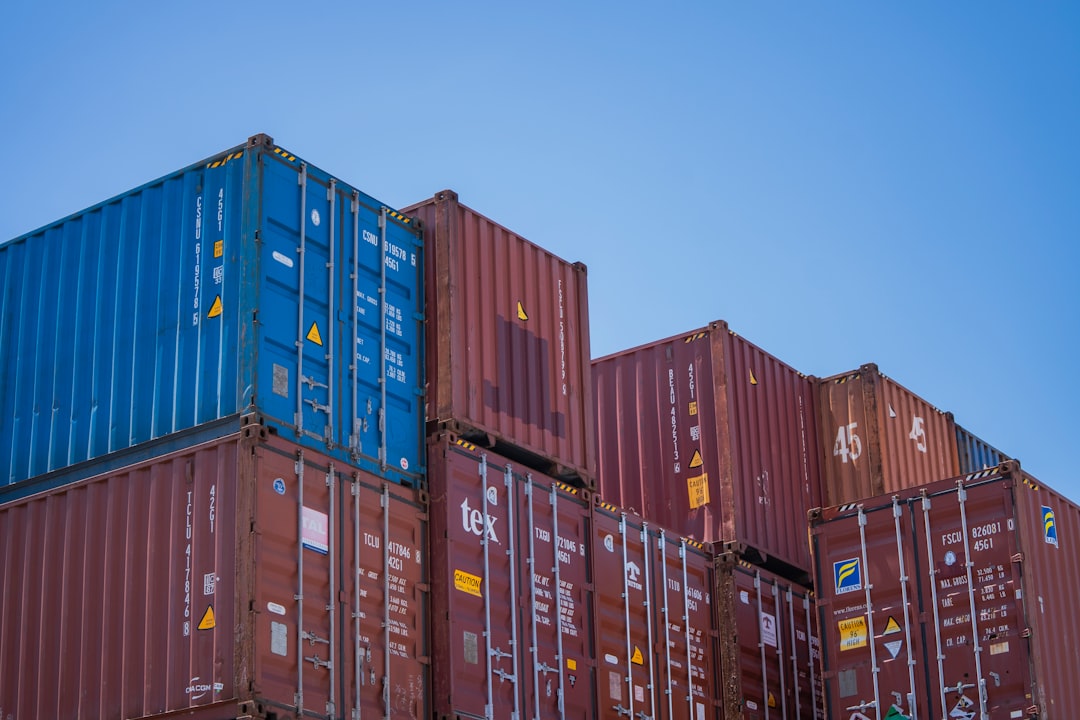
1. Overview of Frozen Tilapia Fillet Shipping Dynamics to/from Brazil
Market Context and Product Classification
The trade of frozen tilapia fillets, classified under HS Code 0304.61, represents a critical segment of Brazil's growing aquaculture export sector. While Brazil has historically been a major exporter of poultry and beef, the tilapia industry has increasingly adopted the same sophisticated cold-chain logistics infrastructure to reach international markets. Frozen fillets are a high-value commodity that requires precise temperature control throughout the transit process to maintain quality and regulatory compliance.
Logistical Challenges in the Brazilian Seafood Sector
Exporters and importers must navigate a complex landscape of seasonal agricultural demand, which often competes for reefer container capacity. Because Brazil’s port infrastructure is heavily utilized by massive grain and meat exports, frozen seafood shipments must be carefully scheduled to avoid peak-season bottlenecks. Furthermore, strict sanitary standards and documentation requirements for fish products necessitate a high level of coordination between customs brokers and logistics providers.
2. In-Depth Analysis of Maersk / MSC & Container Capacity
Carrier Reliability and Service Networks
Major shipping lines like Maersk and MSC are the primary conduits for containerized cargo moving through the Port of Paranaguá. These carriers provide extensive reefer services, which are essential for maintaining the integrity of frozen tilapia fillets. Maersk, in particular, has made significant investments in inland logistics facilities near Paranaguá to support the growing demand for refrigerated commodity exports.
Capacity Management and Strategic Routing
Carriers manage capacity through sophisticated vessel deployment strategies. For shipments to and from Paranaguá, carriers often utilize feeder services that connect to major transshipment hubs in Europe or the Caribbean before reaching final destinations. Shippers are advised to monitor vessel schedules closely, as carriers may adjust loops or implement blank sailings based on global demand shifts and regional port congestion levels.
3. Ocean Freight Rates & Cost Optimization for HS Code 0304.61
Cost Drivers and Rate Fluctuations
Freight rates for reefer containers are influenced by global fuel costs, equipment availability, and the seasonal "cost Brazil" (Custo Brasil) factor. Because frozen tilapia is a temperature-sensitive cargo, the total landed cost includes not just the ocean freight, but also Terminal Handling Charges (THC), electricity for reefer plugs, and potential demurrage/detention fees if customs clearance is delayed.
| Cost Component | Impact on Frozen Seafood | Optimization Strategy |
|---|---|---|
| Ocean Freight | High (Market-driven) | Book 4-6 weeks in advance; secure long-term contracts. |
| Reefer Surcharges | Moderate | Ensure accurate temperature settings to avoid cargo spoilage. |
| THC & Port Fees | High | Utilize inland depots to reduce port dwell time. |
4. Port Container Tracking & Congestion at Port of Paranaguá
Current Congestion Metrics
As of mid-2026, the Port of Paranaguá has reported average vessel wait times of approximately 3.8 days. While this is more stable than some larger hubs, it remains a critical factor for perishable goods. The TCP (Terminal de Contêineres de Paranaguá) is the primary terminal handling these flows, and its efficiency is vital for maintaining the cold chain.
Tracking and Visibility
Supply chain managers should utilize real-time tracking tools provided by carriers like Maersk and MSC to monitor vessel arrivals and berth status. Proactive communication with local terminal operators is recommended to ensure that reefer containers are prioritized for discharge and inland transport to prevent unnecessary dwell time in the port yard.
5. Global Logistics Optimization & Supply Chain Strategies
Integrated End-to-End Solutions
To mitigate the risks of port congestion, many exporters are shifting toward integrated logistics solutions. By utilizing inland depots—such as those recently expanded by Maersk near Paranaguá—shippers can consolidate cargo closer to the production source, reducing the time containers spend in the high-traffic port environment.
Strategic Recommendations for Shippers
- Diversify Logistics Partners: Do not rely on a single carrier; maintain relationships with both Maersk and MSC to ensure backup capacity.
- Digital Documentation: Implement electronic trade documentation to expedite customs clearance and reduce the risk of administrative delays.
- Cold Chain Monitoring: Utilize IoT-enabled reefer containers to provide real-time temperature visibility, ensuring compliance with international food safety standards.
6. Executive Summary & Future Outlook
Sources & References
For further research and real-time data, please refer to the following industry resources:
- Shipping Pneumatic Air Cylinders to the Port of Valencia, Spain
- Shipping Semiconductor Microchips (HS 854231) to the Port of Montreal
- Shipping Tomato Paste Cans (HS 200290) to the Port of Gothenburg, Sweden
- Shipping SPC Vinyl Click Flooring to the Port of Antwerp-Bruges
- Shipping True Wireless Earbuds (HS 8517.62) to the Port of Alexandria, Egypt
- Shipping Semiconductor Microchips (HS 854231) to the Port of Sines, Portugal
- Shipping Centrifugal Water Pumps to the Port of San Antonio, Chile
- Shipping Digital Signage Monitors to the Port of Trieste, Italy
- Shipping Printed Circuit Boards (PCB) to Egypt via Port of Said
- Optimizing Logistics for Solid State Drives (SSD) Imports to the Port of Chittagong, Bangladesh