
 463 Visitors
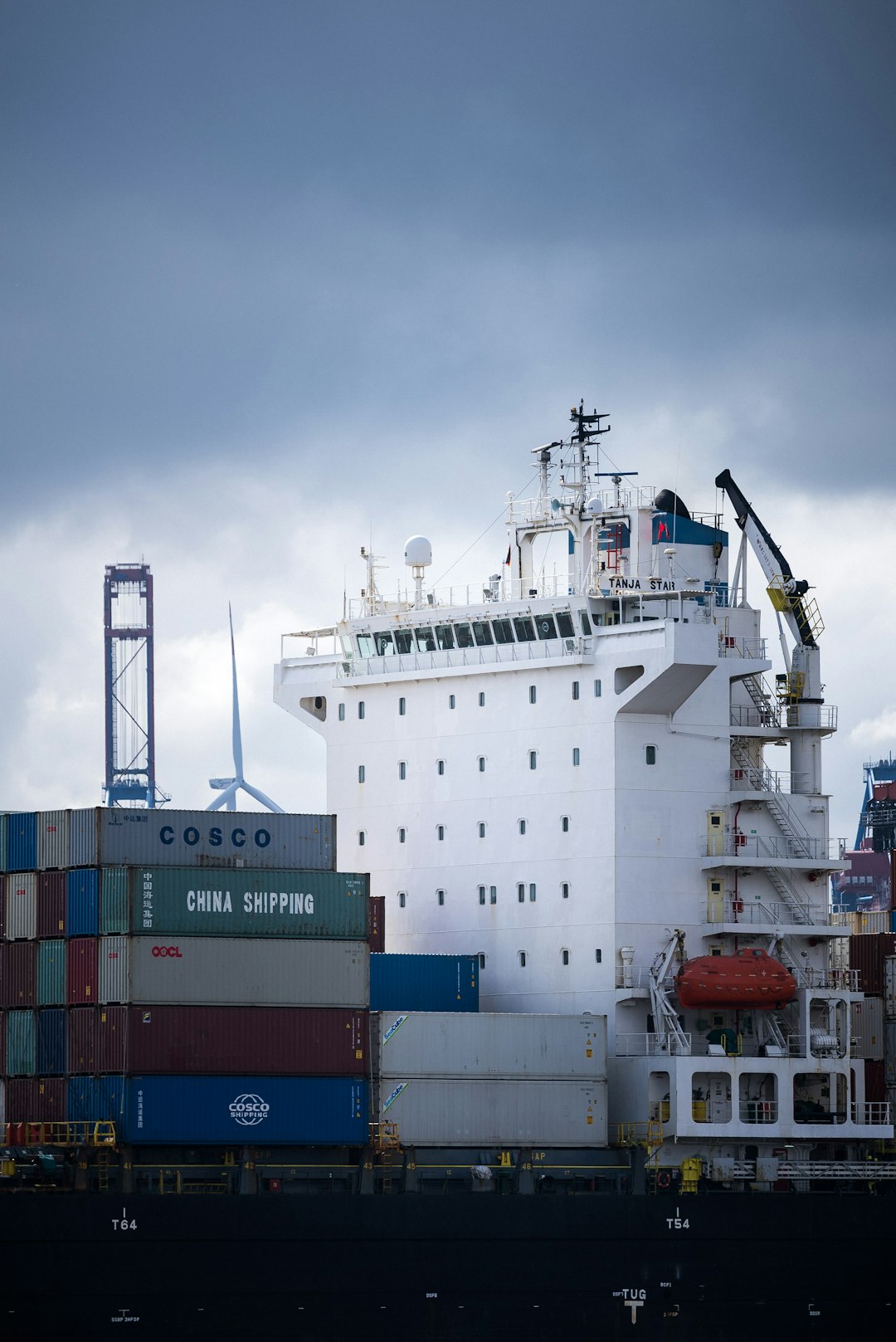
Overview of Gaming Mechanical Keyboard Shipping Dynamics to Russia
The importation of gaming mechanical keyboards, classified under HS Code 847160, into the Russian Federation via the Port of Vladivostok represents a critical trade artery in the current geopolitical climate. As Russia reorients its supply chains toward Asian markets, Vladivostok has emerged as the primary gateway for consumer electronics and IT peripherals originating from China and South Korea.
Classification and Compliance
Gaming keyboards fall under the broader category of "Input or output units" (HS 847160). Importers must ensure precise classification to avoid customs delays. While standard keyboards are widely traded, shippers must be aware that certain electronic components may be subject to dual-use scrutiny under international sanctions regimes. Always verify the specific technical specifications of your mechanical switches and controllers against current export control lists.
Market Trends in the Russian Far East
The demand for high-performance gaming peripherals in Russia remains robust. With the shift in trade flows, Vladivostok has seen a significant increase in containerized cargo volumes, with Q1 2026 data showing a 38% year-over-year growth in shipments between Chinese ports and Vladivostok.
In-Depth Analysis of FESCO / Sinokor & Container Capacity
The maritime connection between Asian manufacturing hubs and the Russian Far East is dominated by key regional players, most notably FESCO and Sinokor, which provide the backbone for containerized imports.
FESCO's Strategic Role
FESCO Transportation Group, now under the control of Rosatom, operates an extensive network of container lines connecting Vladivostok to major Chinese ports including Shanghai, Ningbo, and Rizhao. Their "FESCO China Direct Line" (FCDL) service offers a weekly capacity of approximately 5,000 TEU, making it a reliable choice for high-volume electronics importers.
Sinokor's Regional Feeder Services
South Korean carrier Sinokor has expanded its footprint in the Russian market, launching new feeder services that connect Vietnam, China, and South Korea to Vladivostok. Utilizing vessels like the 1,091 TEU Kobe Trader, Sinokor provides essential flexibility for shippers looking to consolidate cargo from various Southeast Asian manufacturing bases through the Busan hub.
Ocean Freight Rates & Cost Optimization for HS Code 847160
Freight rates for the Asia-to-Vladivostok trade lane are currently influenced by high demand and the strategic reorientation of Russian trade. While global rates have seen volatility due to Middle Eastern geopolitical tensions, the intra-Asia to Russia route remains relatively stable but subject to seasonal peak surcharges.
| Route Segment | Estimated Transit Time | Rate Trend (2026) |
|---|---|---|
| China (Shanghai/Rizhao) to Vladivostok | 5–9 Days | Stable/High Demand |
| South Korea (Busan) to Vladivostok | 3–5 Days | Competitive |
| Vietnam (Haiphong) to Vladivostok | 12–15 Days | Variable |
Optimizing Landed Costs
- Consolidation: Utilize Busan or Shanghai as consolidation hubs to leverage FESCO/Sinokor's frequent sailing schedules.
- Incoterms: Given the complexity of current customs regulations, consider DDP (Delivered Duty Paid) only if working with a highly experienced local broker; otherwise, FCA or DAP is often safer for managing customs compliance.
Port Container Tracking & Congestion at Port of Vladivostok
As of June 2026, the Port of Vladivostok is maintaining manageable congestion levels. Despite the high volume of traffic, the port has successfully integrated new services, such as the Pacific Bridge Shipping Line, to handle the influx of containerized goods.
Real-Time Monitoring
Shippers are advised to utilize digital tracking tools to monitor vessel arrivals at the Vladivostok Commercial Sea Port (VCSP) and the Pervomaysky terminal. Current data indicates that while vessel bunching can occur, the median waiting time remains low, allowing for relatively predictable discharge schedules.
Infrastructure Developments
The port continues to invest in universal cargo handling complexes and refrigerated facilities, which indirectly benefits dry cargo shippers by improving overall terminal efficiency and reducing yard density issues.
Global Logistics Optimization & Supply Chain Strategies
To maintain a competitive edge in the Russian electronics market, logistics managers must move beyond static shipping models.
Strategic Recommendations
- Diversify Routing: While sea freight to Vladivostok is the primary route, maintain awareness of rail-intermodal options from Chinese border crossings as a contingency for maritime bottlenecks.
- Digital Integration: Implement real-time container tracking to gain visibility into your cargo's status, especially during the final mile of transit from the port to inland distribution centers.
- Compliance Audits: Regularly audit your HS code classifications. With the evolving nature of sanctions, ensuring your product documentation is transparent and accurate is the best defense against customs-related delays.
Executive Summary & Future Outlook
The logistics landscape for shipping gaming mechanical keyboards to Russia is characterized by high demand and a reliance on established regional carriers like FESCO and Sinokor. While the market is stable, success depends on proactive compliance management and the use of real-time logistics data.
Key Takeaways
- Capacity: FESCO and Sinokor remain the most reliable partners for this trade lane.
- Efficiency: Port congestion in Vladivostok is currently low, but early booking is recommended as peak season demand arrives.
- Compliance: Always verify HS 847160 against the latest dual-use and sanctions lists to ensure seamless customs clearance.
Sources & References
FESCO Transportation Group Official Updates | Sinokor Merchant Marine Service Schedules | Portcast Port Congestion Data (June 2026) | Container News: Russia-Asia Trade Analysis
- Shipping Pneumatic Air Cylinders to the Port of Valencia, Spain
- Shipping Semiconductor Microchips (HS 854231) to the Port of Montreal
- Shipping Tomato Paste Cans (HS 200290) to the Port of Gothenburg, Sweden
- Shipping SPC Vinyl Click Flooring to the Port of Antwerp-Bruges
- Shipping True Wireless Earbuds (HS 8517.62) to the Port of Alexandria, Egypt
- Shipping Semiconductor Microchips (HS 854231) to the Port of Sines, Portugal
- Shipping Centrifugal Water Pumps to the Port of San Antonio, Chile
- Shipping Digital Signage Monitors to the Port of Trieste, Italy
- Shipping Printed Circuit Boards (PCB) to Egypt via Port of Said
- Optimizing Logistics for Solid State Drives (SSD) Imports to the Port of Chittagong, Bangladesh