
 354 Visitors
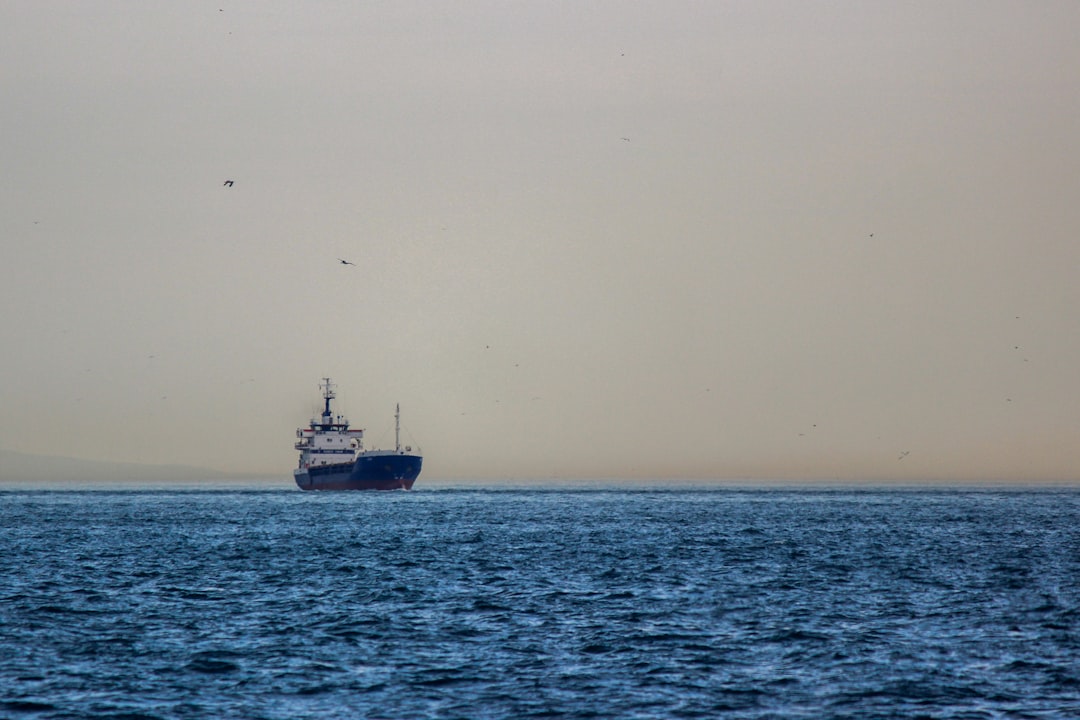
Overview of Heavy-Duty Truck Tires Shipping Dynamics to/from Vietnam
Market Context for HS Code 401120
Heavy-duty truck tires, classified under HS Code 401120, represent a critical component of Vietnam's industrial and logistics supply chain. As Vietnam continues to expand its manufacturing and transport sectors, the demand for high-durability pneumatic tires for lorries and buses remains robust. These products require specialized handling due to their weight, volume, and the necessity of maintaining structural integrity during transit.
Regulatory Compliance and Quality Standards
Importers must be aware that all new tires imported into Vietnam are subject to strict quality inspection and conformity declaration procedures under QCVN 34:2017/BGTVT. Failure to register for these inspections before market distribution can lead to significant delays and potential seizure of goods. Furthermore, the importation of used tires is strictly prohibited under current Vietnamese law.
In-Depth Analysis of ONE, Evergreen, & Maersk Container Capacity
Carrier Reliability and Service Networks
Major carriers including ONE (Ocean Network Express), Evergreen, and Maersk maintain extensive service networks connecting the Port of Cat Lai to global hubs. These lines are pivotal in managing the "C+1" supply chain strategy, where manufacturers diversify production bases to include Vietnam. Their frequent vessel calls ensure that high-volume tire shipments can be scheduled with relative reliability, provided that booking is managed well in advance of peak seasons.
Capacity Management for Heavy Cargo
Shipping heavy-duty tires requires careful consideration of container weight limits. Carriers often impose "Heavy Load Surcharges" for high-density cargo. Logistics managers should coordinate with these carriers to ensure that the chosen equipment (typically 40ft High Cube containers) is rated for the specific payload of the tire shipment to avoid safety violations or additional port handling fees.
Ocean Freight Rates & Cost Optimization for HS Code 401120
Freight Rate Trends (2026)
Ocean freight rates for shipments from major global hubs to Vietnam are currently influenced by fuel price volatility and regional geopolitical tensions. While exact spot rates fluctuate daily, the following table provides a benchmark for planning purposes:
| Route Origin | Container Type | Estimated Transit Time | Rate Trend (2026) |
|---|---|---|---|
| Asia (Regional) | 40ft HC | 3–10 Days | Stable/Moderate |
| Europe | 40ft HC | 25–35 Days | Volatile (Fuel/Surcharge) |
| USA | 40ft HC | 25–40 Days | High/Seasonal |
Cost Optimization Strategies
- Consolidation: Utilize FCL (Full Container Load) to maximize space and minimize per-unit shipping costs.
- Incoterms: Carefully negotiate Incoterms (e.g., FOB vs. CIF) to retain control over local logistics costs in Vietnam.
- Advance Booking: Secure space 3–4 weeks in advance to avoid last-minute spot rate premiums.
Port Container Tracking & Congestion at Port of Cat Lai
Current Congestion Status
The Port of Cat Lai, handling nearly 50% of Vietnam's container throughput, frequently experiences high yard density. As of mid-2026, vessel waiting times are generally stable at approximately 1 day, but landside congestion remains a challenge. Recent infrastructure repairs, such as those on the Phu My bridge, have necessitated traffic diversions that may impact truck turnaround times.
Mitigation and Tracking
Global Logistics Optimization & Supply Chain Strategies
Diversification and Resilience
To mitigate risks associated with port congestion, companies are increasingly utilizing a multi-port strategy. While Cat Lai is the primary hub, exploring connectivity through Cai Mep-Thi Vai for deep-sea vessels can provide a buffer against inner-city traffic bottlenecks in Ho Chi Minh City.
Digital Integration
Leveraging digital platforms provided by carriers like Maersk or independent freight management software is essential for real-time visibility. Electronic Bills of Lading (e-B/L) and digital customs documentation are now standard, significantly reducing the administrative dwell time for tire shipments.
Executive Summary & Future Outlook
Key Takeaways for Logistics Managers
- Compliance First: Always verify the latest QCVN 34:2017/BGTVT requirements before shipping tires to Vietnam.
- Infrastructure Awareness: Monitor local traffic reports in Ho Chi Minh City, as road construction (e.g., Phu My bridge) can disrupt inland haulage.
- Carrier Partnerships: Maintain strong relationships with ONE, Evergreen, and Maersk to secure priority equipment during peak demand periods.
Sources & References
Data and insights compiled from: Maersk Logistics, Saigon Newport Corporation (SNP), OEC World Trade Data, and HP Global Logistics.
- Shipping Pneumatic Air Cylinders to the Port of Valencia, Spain
- Shipping Semiconductor Microchips (HS 854231) to the Port of Montreal
- Shipping Tomato Paste Cans (HS 200290) to the Port of Gothenburg, Sweden
- Shipping SPC Vinyl Click Flooring to the Port of Antwerp-Bruges
- Shipping True Wireless Earbuds (HS 8517.62) to the Port of Alexandria, Egypt
- Shipping Semiconductor Microchips (HS 854231) to the Port of Sines, Portugal
- Shipping Centrifugal Water Pumps to the Port of San Antonio, Chile
- Shipping Digital Signage Monitors to the Port of Trieste, Italy
- Shipping Printed Circuit Boards (PCB) to Egypt via Port of Said
- Optimizing Logistics for Solid State Drives (SSD) Imports to the Port of Chittagong, Bangladesh