
 0 Visitors
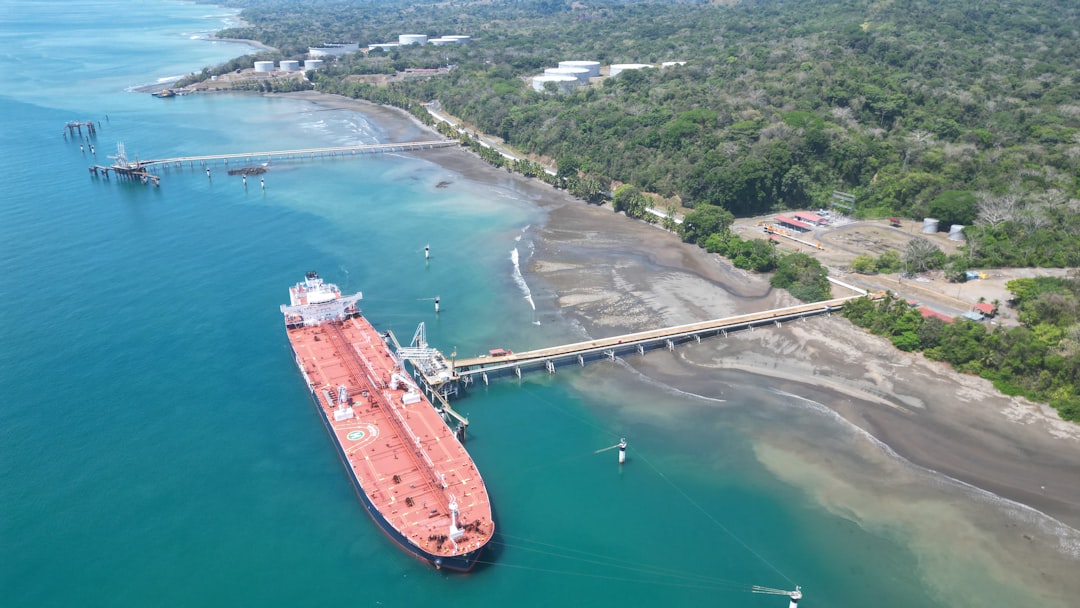
Overview of High-Tensile Hex Bolts Shipping Dynamics to/from Mexico
Market Demand and Industrial Integration
Mexico remains a critical hub for global manufacturing, particularly in the automotive and aerospace sectors, which drive consistent demand for high-tensile fasteners. High-Tensile Hex Bolts, classified under HS Code 7318.15, are essential components for structural integrity in these industries. As Mexico continues to integrate into North American supply chains, the reliability of the inbound flow of these industrial fasteners is paramount for maintaining production schedules.
Regulatory and Compliance Landscape
Importing industrial fasteners into Mexico requires strict adherence to customs regulations. Importers must ensure that all documentation—including the Commercial Invoice, Packing List, and Certificate of Origin—is accurate to avoid delays. Given the technical nature of high-tensile bolts, compliance with Normas Oficiales Mexicanas (NOM) is often required to certify that the products meet specific safety and quality standards before they can be cleared for domestic distribution.
In-Depth Analysis of CMA CGM, MSC, & COSCO Container Capacity
Carrier Network Optimization
Major carriers including CMA CGM, MSC, and COSCO have significantly optimized their transpacific routes to better serve the Mexican market. Recent service updates, such as the revision of the Far East–Caribbean service (PEX2/CAX2), have specifically added calls at the Port of Manzanillo to accommodate the surge in trade volume. These carriers utilize a mix of vessel sizes, often ranging from 4,000 to 15,000 TEU, to balance frequency and capacity on the Asia-Mexico corridor.
Capacity and Service Reliability
While capacity remains robust, the reliability of these services is often tested by port congestion. Shippers are advised to monitor carrier-specific vessel schedules closely, as carriers frequently adjust rotations to bypass bottlenecks. Utilizing the booking platforms of these major lines allows for better visibility into cut-off times for VGM (Verified Gross Mass) and customs documentation, which are critical for avoiding "rolled" cargo.
Ocean Freight Rates & Cost Optimization for HS Code 7318.15
Current Market Rate Benchmarks
Freight rates for shipping to Manzanillo are subject to volatility based on seasonal demand and port-specific surcharges. Below is a summary of estimated market rates for 2026.
| Container Type | Estimated Rate Range (USD) | Notes |
|---|---|---|
| 20ft FCL | $2,500 – $3,800 | Subject to fuel and congestion surcharges |
| 40ft FCL | $3,500 – $5,500 | Standard for high-volume fastener shipments |
| LCL (per CBM) | $60 – $120 | Best for smaller, urgent replenishment |
Cost Optimization Strategies
- Consolidation: For smaller shipments of high-tensile bolts, LCL consolidation can significantly reduce costs compared to FCL if volume does not justify a full container.
- Advance Booking: Secure space at least 3-4 weeks in advance to avoid last-minute spot market premiums.
- Duty Management: Ensure your customs broker is utilizing the correct sub-classification under 7318.15 to leverage any available trade agreement benefits.
Port Container Tracking & Congestion at Port of Manzanillo
Current Congestion Status
The Port of Manzanillo has historically faced periods of significant congestion, often exacerbated by labor disruptions or surges in import volume. Recent data indicates that wait times for truck assignments and customs inspections can fluctuate, sometimes reaching 72 hours or more during peak periods. Shippers should anticipate a "buffer" of 3-7 days in their logistics planning to account for these potential delays.
Tracking and Visibility
To mitigate the impact of congestion, logistics managers should utilize real-time tracking tools provided by terminal operators like Contecon Manzanillo and SSA Mexico. Proactive communication with your local customs broker is essential; they can provide "on-the-ground" intelligence regarding gate closures or specific terminal bottlenecks that may affect your shipment's release.
Global Logistics Optimization & Supply Chain Strategies
Multimodal Alternatives
Inventory Management
Given the volatility in both freight rates and port performance, adopting a "Just-in-Case" inventory strategy for critical high-tensile fasteners is recommended. Maintaining a 2-3 week safety stock in a local warehouse near the Bajío region can protect production lines from the ripple effects of ocean freight delays.
Executive Summary & Future Outlook
Key Takeaways
- Plan for Volatility: Expect fluctuating freight rates and potential 3-7 day delays at Manzanillo.
- Compliance is Key: Ensure precise classification under HS 7318.15 to avoid customs penalties.
- Diversify Routing: Keep Lázaro Cárdenas as a pre-vetted alternative in your logistics contingency plan.
Future Outlook
While the Mexican government has announced long-term expansion plans for the Port of Manzanillo, these are not expected to fully alleviate capacity constraints until 2030. In the interim, supply chain resilience will depend on digital visibility, strong relationships with carriers like CMA CGM and MSC, and a flexible approach to port selection. For further data and real-time updates, consult the following resources:
Sources & References:
CMA CGM Voyage Finder & Schedules
Mexico Business News - Logistics & Infrastructure Updates
USITC Harmonized Tariff Schedule Search
- Shipping Pneumatic Air Cylinders to the Port of Valencia, Spain
- Shipping Semiconductor Microchips (HS 854231) to the Port of Montreal
- Shipping Tomato Paste Cans (HS 200290) to the Port of Gothenburg, Sweden
- Shipping SPC Vinyl Click Flooring to the Port of Antwerp-Bruges
- Shipping True Wireless Earbuds (HS 8517.62) to the Port of Alexandria, Egypt
- Shipping Semiconductor Microchips (HS 854231) to the Port of Sines, Portugal
- Shipping Centrifugal Water Pumps to the Port of San Antonio, Chile
- Shipping Digital Signage Monitors to the Port of Trieste, Italy
- Shipping Printed Circuit Boards (PCB) to Egypt via Port of Said
- Optimizing Logistics for Solid State Drives (SSD) Imports to the Port of Chittagong, Bangladesh