
 0 Visitors
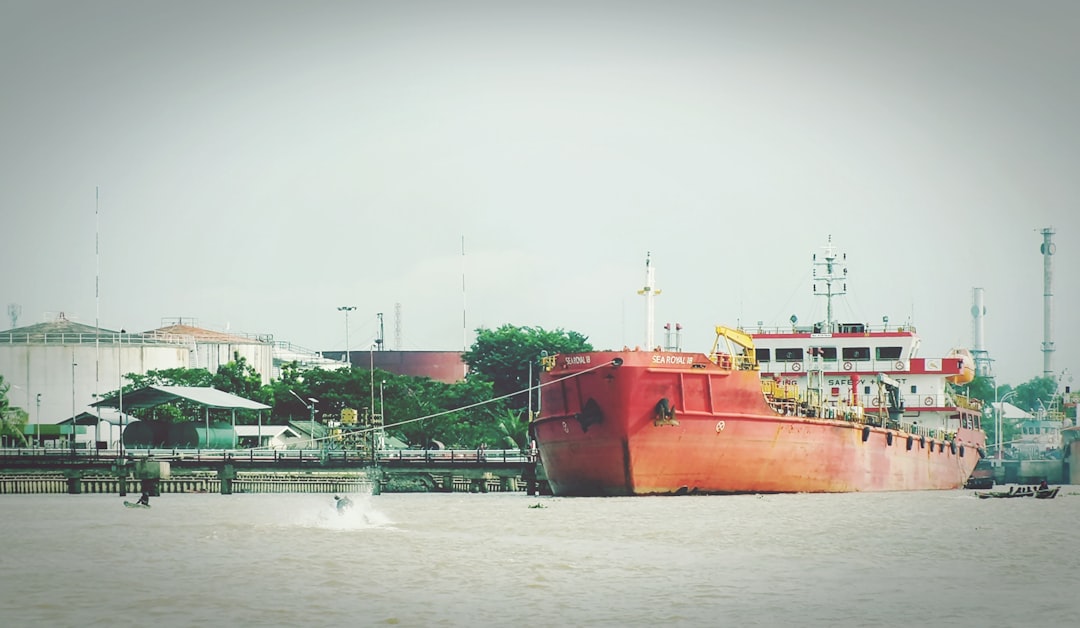
Overview of Infusion Pump Monitors Shipping Dynamics to/from Philippines
The importation of medical devices, specifically infusion pump monitors (HS Code 9018.90), into the Philippines is a highly regulated process that requires strict adherence to both maritime logistics and health authority mandates. As the Philippines continues to modernize its healthcare infrastructure, the demand for high-precision medical equipment has grown, necessitating a robust supply chain strategy to navigate the complexities of the Manila International Port (MIP) and the Manila South Harbor.
Regulatory Landscape for Medical Devices
All medical devices imported into the Philippines must be registered with the Food and Drug Administration (FDA) under the Center for Device Regulation, Radiation, Health and Research (CDRRHR). Importers must hold a valid License to Operate (LTO) as a Medical Device Distributor and ensure that products have the necessary Certificate of Medical Device Registration (CMDR) or Certificate of Medical Device Notification (CMDN) before arrival at the port.
Market Demand and Trade Flow
The Philippines remains heavily reliant on imported medical technology. With the government's "Build Better More" initiatives and ongoing healthcare facility upgrades, infusion pumps are critical components of hospital procurement. Efficient logistics are essential to ensure these life-saving devices reach medical facilities without excessive dwell times.
In-Depth Analysis of SITC / CNC / Maersk & Container Capacity
The intra-Asia trade lane is the primary artery for medical equipment entering the Philippines. Major carriers like SITC, CNC (a CMA CGM brand), and Maersk dominate this route, offering high-frequency services that connect Manila to major manufacturing hubs in China, Taiwan, and Southeast Asia.
Carrier Specialization
- SITC: Known for its high-density intra-Asia network, SITC provides efficient feeder services that are particularly effective for smaller, time-sensitive shipments.
- CNC (CMA CGM): Offers specialized regional services with strong connections to global networks, ideal for shippers requiring transshipment from broader international origins.
- Maersk: Provides integrated logistics solutions, including inland haulage and advanced warehouse management, which are beneficial for high-value medical cargo requiring end-to-end visibility.
Capacity Management
Carriers are currently managing capacity through strategic blank sailings and vessel reallocation to maintain yield stability. Shippers should prioritize booking with carriers that offer direct calls to Manila to minimize transshipment risks and potential delays.
Ocean Freight Rates & Cost Optimization for HS Code 9018.90
Freight rates in 2026 remain volatile due to geopolitical tensions and fuel surcharge fluctuations. While base rates have stabilized, total landed costs are often impacted by auxiliary fees and port charges.
| Cost Component | Impact on HS 9018.90 | Optimization Strategy |
|---|---|---|
| Ocean Freight | High (Subject to EFS/LSS) | Utilize long-term contract rates vs. spot market. |
| Empty Container Handling | Mandatory (Adjusted June 2026) | Ensure pre-advise compliance to avoid penalties. |
| Customs Duties/VAT | 3% Duty + 12% VAT | Verify eligibility for duty-free exemptions for medical equipment. |
Port Container Tracking & Congestion at Manila International Port
Manila's ports, including the Manila International Container Terminal (MICT) and South Harbor, operate 24/7. While the Philippine Ports Authority (PPA) maintains that operations are "free-flowing," stakeholders often report challenges related to empty container returns and peak-season yard utilization.
Current Congestion Status
As of June 2026, yard utilization at major Manila terminals is monitored closely. While the PPA has implemented measures to balance commercial and government vessel berthing, shippers should anticipate average dwell times of 4–5 days. Real-time tracking through the Port Community System (PCS) is mandatory for efficient cargo release.
Mitigation Strategies
- Early Documentation: Submit all customs declarations via the E2M system well before vessel arrival.
- Direct-to-Truck: Where possible, arrange for direct-to-truck discharge to bypass yard storage delays.
Global Logistics Optimization & Supply Chain Strategies
Supply Chain Resilience
To optimize the supply chain, companies should integrate their Warehouse Management Systems (WMS) with carrier tracking APIs. This provides visibility into the "last mile" of the logistics journey, which is critical when moving sensitive medical equipment from the port to regional hospitals or distribution centers.
Diversification of Ports
For shipments destined for Central or Southern Philippines, consider utilizing secondary ports like Batangas or Cebu to avoid potential bottlenecks in the Metro Manila area, especially during holiday seasons or peak trade months.
Executive Summary & Future Outlook
The outlook for 2026 suggests a market that is more structured but remains sensitive to external shocks. For importers of infusion pump monitors, success lies in:
- Maintaining strict compliance with FDA and BOC regulations.
- Leveraging the high-frequency services of SITC, CNC, and Maersk.
- Proactively managing port dwell times through digital documentation.
Sources & References
Philippine Ports Authority (PPA) Official Advisories | CMA CGM/CNC Philippines Service Updates | Philippines FDA Medical Device Regulations | DHL Global Forwarding Ocean Freight Market Updates
- Shipping Pneumatic Air Cylinders to the Port of Valencia, Spain
- Shipping Semiconductor Microchips (HS 854231) to the Port of Montreal
- Shipping Tomato Paste Cans (HS 200290) to the Port of Gothenburg, Sweden
- Shipping SPC Vinyl Click Flooring to the Port of Antwerp-Bruges
- Shipping True Wireless Earbuds (HS 8517.62) to the Port of Alexandria, Egypt
- Shipping Semiconductor Microchips (HS 854231) to the Port of Sines, Portugal
- Shipping Centrifugal Water Pumps to the Port of San Antonio, Chile
- Shipping Digital Signage Monitors to the Port of Trieste, Italy
- Shipping Printed Circuit Boards (PCB) to Egypt via Port of Said
- Optimizing Logistics for Solid State Drives (SSD) Imports to the Port of Chittagong, Bangladesh