
 0 Visitors
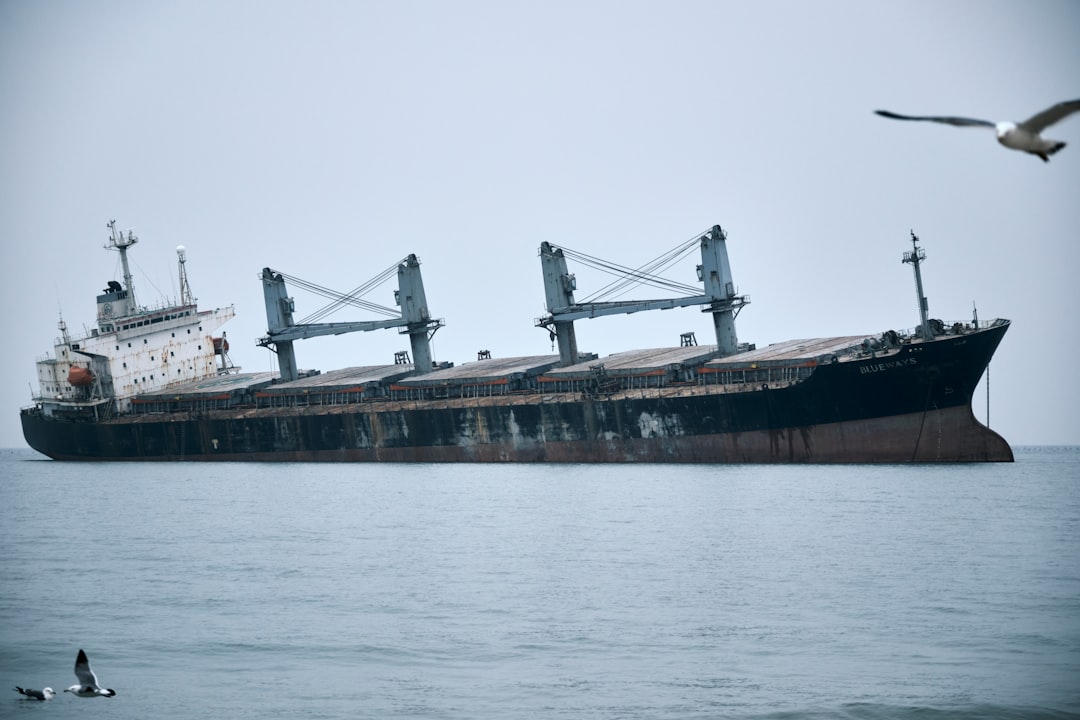
Overview of Medical Ventilator Shipping Dynamics to/from Indonesia
The importation of medical ventilators, classified under HS Code 9019.20, into Indonesia is a highly regulated process that demands precision in both documentation and supply chain planning. As Indonesia continues to modernize its healthcare infrastructure—supported by multi-billion dollar initiatives like the Indonesia Health Systems Strengthening Project—the demand for high-tech respiratory apparatus remains robust.
Regulatory Compliance and Market Access
Importers must navigate the Ministry of Health's stringent requirements. All medical devices must be registered to obtain a Nomor Izin Edar (NIE) before they can be legally imported or distributed. Only local Indonesian entities holding a valid Medical Device Distribution License (IDAK) are permitted to act as the importer of record.
The Role of HS Code 9019.20
Proper classification is critical for customs clearance. While 9019.20 is the primary code, sub-classifications (e.g., 9019.20.10 for invasive ventilators, 9019.20.20 for non-invasive) are used to determine specific duty treatments and regulatory oversight. Always verify the latest AHTN (ASEAN Harmonized Tariff Nomenclature) updates to ensure compliance.
In-Depth Analysis of Maersk, KMTC, & SITC Container Capacity
Major carriers including Maersk, KMTC, and SITC play a pivotal role in connecting Indonesia to global manufacturing hubs. These lines offer extensive network coverage, but capacity management remains a dynamic factor in 2026.
Carrier-Specific Logistics Advantages
- Maersk: Offers integrated logistics solutions, including extensive warehousing in Jakarta and surrounding industrial zones, providing end-to-end visibility for sensitive medical cargo.
- SITC & KMTC: These carriers maintain high-frequency intra-Asia services, which are essential for timely delivery of medical equipment from regional manufacturing centers in East Asia.
Capacity and Equipment Availability
While nominal capacity is growing, carriers are exercising strict capacity management. Shippers should prioritize early booking, especially for high-value medical devices that require specialized handling or climate-controlled container environments.
Ocean Freight Rates & Cost Optimization for HS Code 9019.20
Ocean freight rates for medical equipment are currently influenced by global bunker fuel costs, Suez-related rerouting, and regional demand surges. Because exact rates fluctuate daily based on carrier surcharges and space availability, shippers must adopt a proactive cost-optimization strategy.
| Cost Component | Impact on Medical Cargo | Optimization Strategy |
|---|---|---|
| Ocean Freight (Base) | High volatility due to fuel surcharges | Secure long-term contracts or block space agreements |
| Port Handling (THC) | Standardized at Tanjung Priok | Consolidate shipments to maximize TEU utilization |
| Customs/Regulatory Fees | Variable based on NIE status | Ensure pre-clearance documentation is perfect to avoid demurrage |
Strategies for Cost Reduction
To mitigate rising costs, shippers should focus on container utilization. For medical ventilators, which are often high-value but low-weight, optimizing the palletization and stuffing process can significantly reduce the per-unit shipping cost.
Port Container Tracking & Congestion at Port of Tanjung Priok (Jakarta)
The Port of Tanjung Priok remains the primary gateway for Indonesia, handling over 50% of the nation's transshipment cargo. While the port has undergone significant modernization, congestion remains a periodic challenge.
Current Congestion Status
As of June 2026, the port reports a low congestion index, with median waiting times for vessels remaining stable. However, traffic congestion on access roads (such as Jalan Raya Cilincing) caused by container depot activities can occasionally delay inland transport, even when port operations are fluid.
Tracking and Visibility
Leveraging digital tracking tools provided by carriers like Maersk or third-party port visibility platforms is essential. Real-time monitoring of "dwelling time" allows logistics managers to adjust trucking schedules and avoid peak-hour bottlenecks in the Jakarta metropolitan area.
Global Logistics Optimization & Supply Chain Strategies
For medical device manufacturers, the supply chain is not just about moving boxes; it is about maintaining the integrity of life-saving equipment.
Strategic Recommendations
- Local Partnerships: Appoint a reliable local distributor with a proven track record in the Ministry of Health's e-Katalog system.
- Buffer Stocking: Given the potential for regional maritime disruptions, maintain a 30-day buffer stock in bonded warehouses near Tanjung Priok.
- Digital Integration: Utilize the National Single Window (NSW) system to streamline customs declarations and reduce administrative delays.
Executive Summary & Future Outlook
The Indonesian medical device market is poised for continued growth, driven by government investment and an aging population. While the logistics landscape at the Port of Tanjung Priok is improving through digitalization and infrastructure expansion, success requires a deep understanding of local regulatory nuances.
Key Takeaways
- Compliance First: Never ship without a confirmed NIE and a local IDAK license holder.
- Monitor Access: While port congestion is currently low, monitor inland road traffic in Jakarta for last-mile delivery delays.
- Carrier Selection: Utilize carriers with strong local infrastructure (Maersk, SITC, KMTC) to benefit from their integrated warehousing and logistics networks.
Sources & References
- Shipping Pneumatic Air Cylinders to the Port of Valencia, Spain
- Shipping Semiconductor Microchips (HS 854231) to the Port of Montreal
- Shipping Tomato Paste Cans (HS 200290) to the Port of Gothenburg, Sweden
- Shipping SPC Vinyl Click Flooring to the Port of Antwerp-Bruges
- Shipping True Wireless Earbuds (HS 8517.62) to the Port of Alexandria, Egypt
- Shipping Semiconductor Microchips (HS 854231) to the Port of Sines, Portugal
- Shipping Centrifugal Water Pumps to the Port of San Antonio, Chile
- Shipping Digital Signage Monitors to the Port of Trieste, Italy
- Shipping Printed Circuit Boards (PCB) to Egypt via Port of Said
- Optimizing Logistics for Solid State Drives (SSD) Imports to the Port of Chittagong, Bangladesh