
 363 Visitors
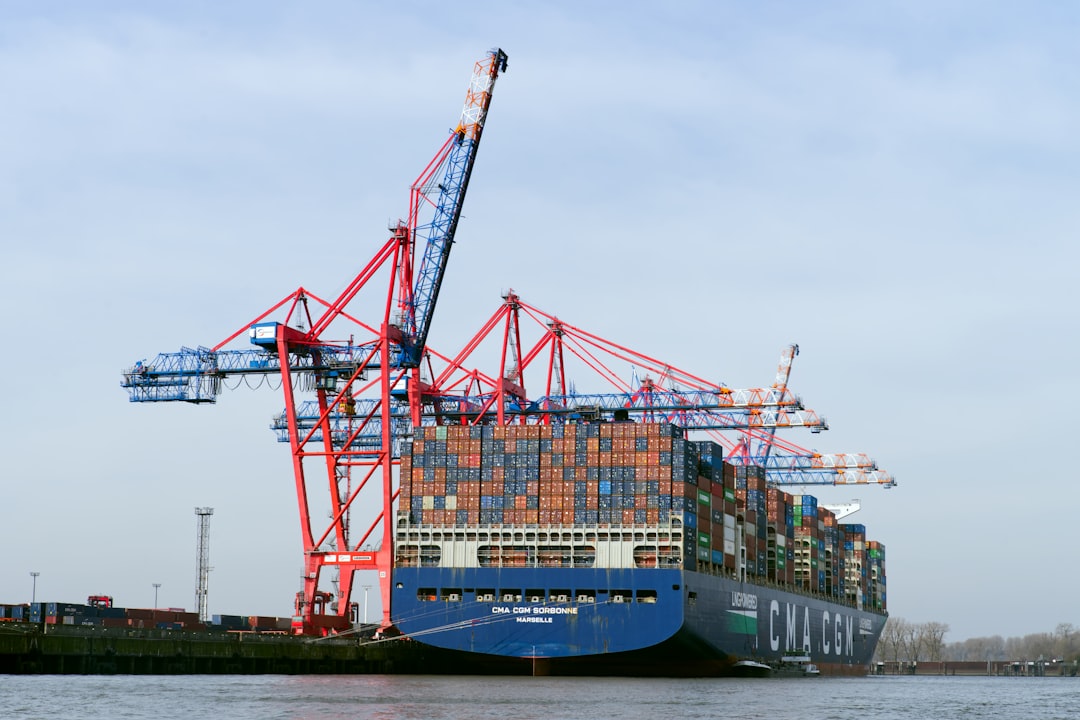
Overview of Organic Cotton Hoodies Shipping Dynamics to/from Italy
The Italian apparel market remains a high-priority destination for global textile manufacturers. Organic cotton hoodies, classified under HS Code 611020, represent a significant segment of the knitwear trade. As of June 2026, the supply chain for these goods is characterized by a transition into an early peak season, driven by inventory front-loading and evolving sustainability mandates within the European Union.
Market Trends for Apparel Imports
Italy’s fashion sector is increasingly focused on transparency and sustainability. Importers must navigate not only standard customs procedures but also emerging Extended Producer Responsibility (EPR) frameworks. Ensuring that your organic cotton products meet GOTS (Global Organic Textile Standard) or equivalent certifications is essential for market entry and brand positioning in the Italian retail landscape.
Regulatory and Compliance Considerations
When importing under HS Code 611020, accuracy in documentation is paramount to avoid customs delays. The Italian Customs Agency (Agenzia delle Dogane) strictly enforces EU-wide regulations. Importers should utilize the EU Access2Markets portal to verify specific duty rates and potential non-tariff barriers, such as eco-design requirements that are currently being integrated into EU law.
In-Depth Analysis of MSC & Hapag-Lloyd Container Capacity
Both MSC and Hapag-Lloyd are critical carriers for the Asia-to-Mediterranean trade lane. As these carriers adjust their networks—notably with the shifts in global alliances—their capacity management has become a focal point for logistics managers.
Carrier Capacity and Service Reliability
MSC continues to leverage its massive, independent fleet, maintaining a strong presence in the Mediterranean. Hapag-Lloyd, meanwhile, is optimizing its vessel deployment as it prepares for the Gemini Cooperation. Both carriers are currently managing the operational complexities of the Red Sea disruptions, which have forced vessels to reroute around the Cape of Good Hope, adding 10–14 days to standard transit times.
Strategic Carrier Selection
- MSC: Offers extensive direct connectivity to the Port of Genoa, ideal for high-volume, consistent shipments.
- Hapag-Lloyd: Provides robust inland logistics solutions, which can be a strategic advantage if your final destination is in Northern Italy or beyond.
Ocean Freight Rates & Cost Optimization for HS Code 611020
Freight rates on the Asia-to-Genoa route have experienced significant upward pressure in the second quarter of 2026. The combination of early peak season demand and the longer transit times around the Cape of Good Hope has tightened available capacity.
Freight Rate Benchmarking (June 2026)
| Route | Estimated Rate (per 40' HC) | Trend |
|---|---|---|
| Asia to Port of Genoa | $4,000 – $5,700+ | Rising / High Volatility |
| Asia to North Europe (Rotterdam) | $2,700 – $3,500 | Rising |
Cost Optimization Strategies
Pro-Tip: To mitigate rising costs, consider "Carrier Neutrality." By diversifying your carrier mix and utilizing forward-booking strategies, you can hedge against spot rate spikes. Additionally, ensure your HS code classification is precise to avoid overpaying duties or triggering unnecessary inspections.
Port Container Tracking & Congestion at Port of Genoa
The Port of Genoa serves as Italy’s premier maritime gateway. While it has maintained a relatively stable congestion profile compared to some Northern European hubs, it is not immune to regional disruptions.
Current Congestion Status
As of early June 2026, the Port of Genoa reports a low congestion index, with median vessel waiting times remaining manageable (typically under 0.5 days). However, logistics managers should monitor local rail network maintenance works, which may impact inland distribution from the port to the rest of Italy.
Tracking and Visibility
- Use real-time AIS-based tracking tools to monitor vessel arrival times.
- Coordinate closely with terminal operators at Prà and Sampierdarena to ensure timely container pickup, especially during peak periods.
Global Logistics Optimization & Supply Chain Strategies
The 2026 logistics landscape demands a shift from "just-in-time" to "just-in-case" strategies. For textile importers, this means building more resilience into the supply chain.
Predictive Logistics and AI
Leading logistics providers are now employing AI-driven predictive models to reroute shipments in real-time. By integrating these tools, you can anticipate potential delays caused by weather or port strikes before they impact your inventory levels.
Regionalization of Supply Chains
Given the volatility of long-haul ocean freight, many brands are exploring regional sourcing hubs or increasing safety stock levels. For organic cotton hoodies, balancing sourcing from Asia with potential near-shoring options can provide a buffer against future geopolitical or logistical shocks.
Executive Summary & Future Outlook
The shipping environment for organic cotton hoodies to Italy in 2026 is defined by high costs and the need for extreme operational agility. While the Port of Genoa remains a reliable entry point, the broader Asia-Europe trade lane is under significant pressure.
Key Takeaways for Logistics Managers
- Plan Early: Early peak season demand is already driving rates upward; secure space well in advance.
- Monitor Compliance: Stay updated on EU textile EPR regulations to avoid future operational penalties.
- Diversify: Use a mix of carriers (MSC/Hapag-Lloyd) and consider multi-modal transport options to maintain flexibility.
Sources & References
Drewry Maritime Research (World Container Index) | Hapag-Lloyd Operational Updates | Portcast Congestion Data | EU Access2Markets
- Shipping Pneumatic Air Cylinders to the Port of Valencia, Spain
- Shipping Semiconductor Microchips (HS 854231) to the Port of Montreal
- Shipping Tomato Paste Cans (HS 200290) to the Port of Gothenburg, Sweden
- Shipping SPC Vinyl Click Flooring to the Port of Antwerp-Bruges
- Shipping True Wireless Earbuds (HS 8517.62) to the Port of Alexandria, Egypt
- Shipping Semiconductor Microchips (HS 854231) to the Port of Sines, Portugal
- Shipping Centrifugal Water Pumps to the Port of San Antonio, Chile
- Shipping Digital Signage Monitors to the Port of Trieste, Italy
- Shipping Printed Circuit Boards (PCB) to Egypt via Port of Said
- Optimizing Logistics for Solid State Drives (SSD) Imports to the Port of Chittagong, Bangladesh