
 406 Visitors
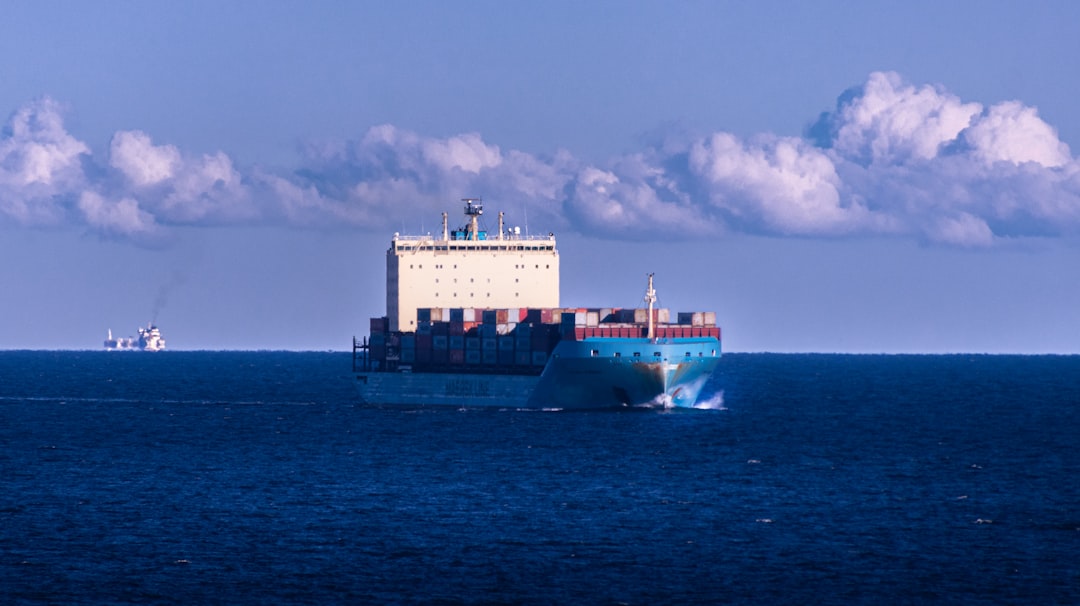
Overview of Patient Vital Sign Monitors Shipping Dynamics to/from France
The importation of medical diagnostic equipment, specifically Patient Vital Sign Monitors (HS Code 9018.19), into France requires a sophisticated understanding of both maritime logistics and stringent EU regulatory frameworks. As of June 2026, the trade lane into the Port of Le Havre is characterized by high-frequency service from major carriers, though it remains sensitive to global capacity shifts and regional industrial activity.
Market Demand and Classification
Patient monitors are critical medical devices used for the continuous measurement of physiological parameters. Under HS Code 9018.19, these devices are subject to specific EU medical device regulations (MDR). Proper classification is essential to ensure smooth customs clearance and to avoid potential impoundment or regulatory delays at the French border.
Regulatory Compliance for Medical Imports
Importers must ensure that all devices carry the mandatory CE marking, signifying compliance with EU health, safety, and environmental protection standards. Furthermore, France maintains specific national requirements overseen by the ANSM (Agence nationale de sécurité du médicament et des produits de santé), which may necessitate additional documentation and French-language technical files beyond standard EU requirements.
In-Depth Analysis of CMA CGM / MSC & Container Capacity
The route connecting Asia to Northern Europe, often referred to as the French Asia Line (FAL), is dominated by industry giants CMA CGM and MSC. These carriers have significantly bolstered their capacity at the Port of Le Havre to accommodate the latest generation of "Megamax" vessels.
Carrier Capacity and Fleet Modernization
CMA CGM has recently integrated new 24,000 TEU LNG-powered vessels into its fleet, many of which are French-flagged and specifically serve the Le Havre gateway. These vessels are designed for high-efficiency transport, offering expanded reefer capacity—a critical feature for sensitive medical electronics that may require climate-controlled environments during transit.
Service Reliability and Alliances
MSC, currently controlling approximately 21.5% of global container capacity, continues to provide high-frequency, reliable service to Le Havre. Shippers should note that while capacity is high, carriers are actively managing space through blank sailings and strategic port rotations to mitigate the impact of overcapacity and fluctuating demand in the 2026 market.
Ocean Freight Rates & Cost Optimization for HS Code 9018.19
Ocean freight rates in June 2026 are experiencing significant volatility due to early peak-season demand and geopolitical pressures. While specific contract rates are confidential, market indicators show a sharp upward trend in spot rates.
Freight Rate Trends (June 2026)
| Route Segment | Market Trend | Key Cost Drivers |
|---|---|---|
| Asia to Le Havre (Spot) | Rising | Early peak season, Fuel surcharges (EFS), GRI implementation |
| Contract Rates | Stable/High | Long-term capacity commitments, carrier loyalty |
Cost Optimization Strategies
- Advance Booking: Secure space at least 4-6 weeks in advance to avoid last-minute spot market premiums.
- Consolidation: For smaller shipments of monitors, utilize LCL (Less than Container Load) services to optimize costs, provided the cargo is properly crated for protection.
- Incoterms Optimization: Review your Incoterms (e.g., DAP vs. DDP) to ensure that customs clearance responsibilities are clearly defined, reducing the risk of unexpected demurrage fees.
Port Container Tracking & Congestion at Port of Le Havre
The Port of Le Havre currently maintains a low congestion index, with median vessel waiting times reported at approximately 0.08 days. However, the "cascade effect" of global supply chain disruptions means that delays at origin ports (e.g., Shanghai, Ningbo) can lead to unpredictable arrival times in France.
Monitoring Real-Time Status
Shippers are advised to utilize digital tracking platforms to monitor vessel ETAs. Because Le Havre is a major hub for deep-sea vessels, prioritization is generally given to large container ships, but inland connectivity (rail/barge) can occasionally experience bottlenecks due to infrastructure maintenance or industrial action.
Mitigating Congestion Risks
Global Logistics Optimization & Supply Chain Strategies
Optimizing the supply chain for medical devices requires a focus on security, integrity, and regulatory agility. As we move through 2026, the shift toward "near-shoring" and supply chain diversification is impacting traditional trade lanes.
Strategic Recommendations
- Regulatory Agility: Maintain a repository of all product certifications, including ISO 13485 and CE declarations, to facilitate rapid customs inspection.
- Carrier Diversification: While CMA CGM and MSC are primary partners, maintain relationships with secondary carriers to ensure flexibility if specific service loops are disrupted.
- Visibility Tools: Invest in IoT-enabled tracking for high-value medical monitors to monitor not just location, but also environmental conditions (temperature/humidity) during the entire transit.
Executive Summary & Future Outlook
The shipping landscape for medical devices into France remains robust but complex. While the Port of Le Havre offers world-class infrastructure and high-capacity service from major lines like CMA CGM and MSC, the burden of compliance and the volatility of 2026 freight rates necessitate a proactive, data-driven approach.
Key Takeaways for 2026
- Compliance is King: Ensure full alignment with EU MDR and French ANSM requirements to prevent border delays.
- Market Volatility: Expect continued rate fluctuations; leverage long-term contracts where possible to hedge against spot market spikes.
- Operational Efficiency: Utilize the Delta IE digital customs system to expedite clearance and minimize terminal dwell times.
Sources & References
CMA CGM Group News & Fleet Updates | French Customs (Douane) - Delta IE Information | Drewry World Container Index (WCI) Trends | Port Congestion Data & Analytics
- Shipping Pneumatic Air Cylinders to the Port of Valencia, Spain
- Shipping Semiconductor Microchips (HS 854231) to the Port of Montreal
- Shipping Tomato Paste Cans (HS 200290) to the Port of Gothenburg, Sweden
- Shipping SPC Vinyl Click Flooring to the Port of Antwerp-Bruges
- Shipping True Wireless Earbuds (HS 8517.62) to the Port of Alexandria, Egypt
- Shipping Semiconductor Microchips (HS 854231) to the Port of Sines, Portugal
- Shipping Centrifugal Water Pumps to the Port of San Antonio, Chile
- Shipping Digital Signage Monitors to the Port of Trieste, Italy
- Shipping Printed Circuit Boards (PCB) to Egypt via Port of Said
- Optimizing Logistics for Solid State Drives (SSD) Imports to the Port of Chittagong, Bangladesh