
 381 Visitors
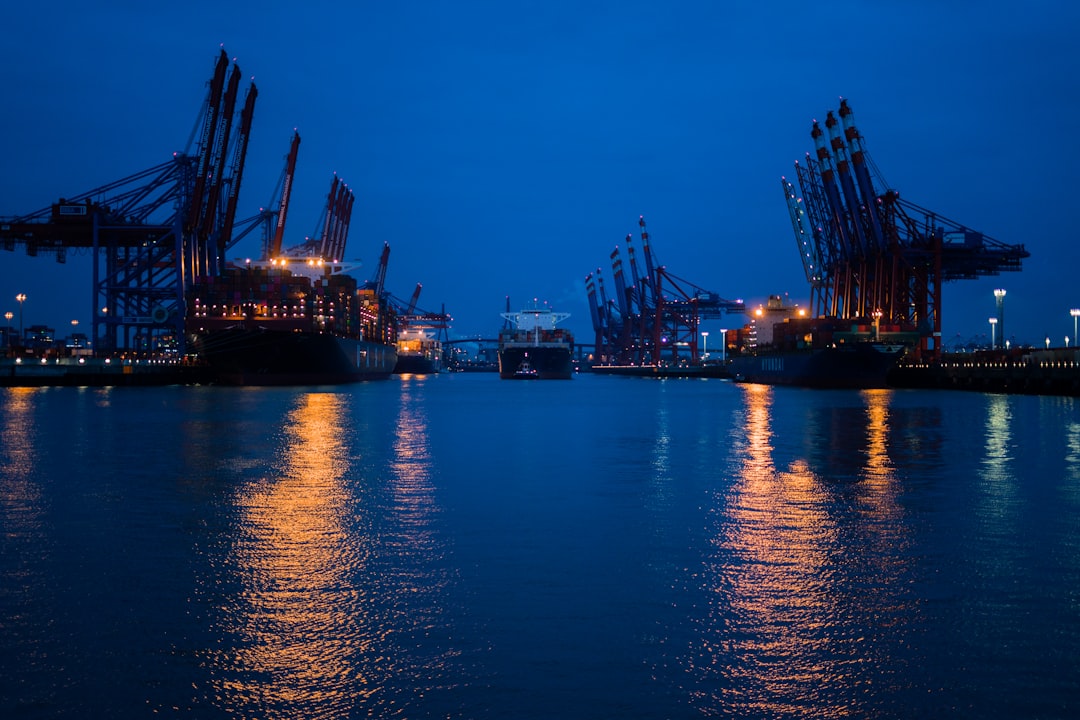
Overview of Poly Carbide Sunsheets Shipping Dynamics to/from Singapore
Poly Carbide Sunsheets, classified under HS Code 3920.61 (Plates, sheets, film, foil, and strip of polycarbonates), are essential construction materials requiring specialized handling to prevent surface damage or warping during transit. As Singapore continues to expand its infrastructure, the demand for high-quality polycarbonate materials remains robust.
Market Significance
Singapore serves as a critical gateway for construction materials in the ASEAN region. Importers of HS 3920.61 benefit from Singapore's highly efficient customs environment, where the TradeNet system processes the vast majority of permits within minutes, ensuring that time-sensitive construction projects remain on schedule.
Regulatory & Handling Considerations
While Singapore maintains a free-trade-friendly environment, shippers must ensure accurate classification under HS 3920.61 to avoid customs delays. Given the nature of sunsheets, logistics providers often recommend FCL (Full Container Load) shipments to minimize handling risks associated with LCL (Less than Container Load) consolidation.
In-Depth Analysis of Hub Port Operations & Container Capacity
The Port of Singapore is not merely a destination; it is the world’s premier transshipment hub. With over 80% of its container throughput being transshipped, it acts as the central nervous system for global shipping lines.
The Role of the Hub Port
Major shipping lines utilize Singapore as a primary consolidation point. The port’s ability to handle massive container volumes—exceeding 41 million TEUs in 2025—is supported by advanced automation at the Pasir Panjang Terminal and the ongoing development of the Tuas Mega Port, which is set to become the world's largest fully automated terminal.
Capacity and Resilience
Despite global geopolitical tensions and occasional surges in vessel arrivals, Singapore has maintained operational stability. The Maritime and Port Authority of Singapore (MPA) coordinates closely with carriers via the digitalPort@SG platform to optimize vessel arrivals and reduce berth congestion.
Ocean Freight Rates & Cost Optimization for HS Code 3920.61
Freight rates in 2026 have been characterized by a "correction" phase following the volatility of previous years. However, shippers should be prepared for seasonal fluctuations as the industry enters the pre-peak season.
Freight Rate Trends (2026)
Note: Current exact rates are highly fluid due to carrier capacity management and blank sailings. The following table represents market trends observed in mid-2026.
| Route Segment | Market Status | Cost Driver |
|---|---|---|
| Asia-Europe (via Singapore) | Rising | Capacity Discipline |
| Intra-Asia | Stable | High Frequency |
| Transpacific | Volatile | Peak Season Prep |
Cost Optimization Strategies
- Contract vs. Spot: For consistent volumes of poly carbide sunsheets, long-term contract rates offer better protection against the sudden spot-rate spikes seen in early June 2026.
- Consolidation: Utilize Singapore’s Free Trade Zone (FTZ) facilities to store goods and distribute them regionally, reducing the need for multiple shipments and lowering overall landed costs.
Port Container Tracking & Congestion at Port of Singapore
While Singapore remains one of the most efficient ports globally, it is not immune to the "systemic shocks" of global maritime disruptions. Recent reports indicate that while the port remains operational, yard density and vessel waiting times are key metrics to monitor.
Current Congestion Status
As of mid-2026, vessel waiting times at the Port of Singapore have fluctuated, often averaging around 1 day, though regional disruptions can cause intermittent spikes. The port’s ability to manage this through "slow steaming" strategies and berth allocation remains a competitive advantage.
Tracking Your Cargo
Shippers are encouraged to use real-time digital tracking tools provided by major carriers and the port’s own digital platforms. Proactive monitoring of vessel schedules is essential, as "bunching" of vessels can occur when global shipping lanes are rerouted due to geopolitical factors.
Global Logistics Optimization & Supply Chain Strategies
For companies importing poly carbide sunsheets, logistics is a strategic component of the project lifecycle. Delays in material arrival can lead to idle labor and increased project costs.
Strategic Planning
- Buffer Stocking: Given the potential for regional bottlenecks, maintaining a 2–4 week buffer of essential sunsheets in Singapore-based warehouses can mitigate the impact of transit delays.
- Digital Integration: Leverage TradeNet and other digital documentation systems to ensure that customs clearance is never the bottleneck in your supply chain.
Partnering for Success
Work with freight forwarders who have established, vetted networks in Singapore. Local expertise is vital for navigating the nuances of last-mile delivery, especially when dealing with oversized or sensitive construction materials that require specialized transport equipment.
Executive Summary & Future Outlook
The outlook for shipping to Singapore in 2026 is one of "cautious stability." While the port continues to set records for throughput and operational efficiency, global geopolitical risks necessitate a proactive approach to supply chain management.
Key Takeaways
- Reliability: Singapore remains the most reliable hub in Asia, even amidst global maritime volatility.
- Efficiency: Automation at Tuas Port will continue to drive down turnaround times and increase capacity.
- Action: Importers should focus on long-term capacity agreements and leverage Singapore’s FTZ for regional distribution to optimize costs.
Sources & References:
Maritime and Port Authority of Singapore (MPA) | SeaRates Logistics Insights | International Trade Administration (Singapore Logistics)
- Shipping Pneumatic Air Cylinders to the Port of Valencia, Spain
- Shipping Semiconductor Microchips (HS 854231) to the Port of Montreal
- Shipping Tomato Paste Cans (HS 200290) to the Port of Gothenburg, Sweden
- Shipping SPC Vinyl Click Flooring to the Port of Antwerp-Bruges
- Shipping True Wireless Earbuds (HS 8517.62) to the Port of Alexandria, Egypt
- Shipping Semiconductor Microchips (HS 854231) to the Port of Sines, Portugal
- Shipping Centrifugal Water Pumps to the Port of San Antonio, Chile
- Shipping Digital Signage Monitors to the Port of Trieste, Italy
- Shipping Printed Circuit Boards (PCB) to Egypt via Port of Said
- Optimizing Logistics for Solid State Drives (SSD) Imports to the Port of Chittagong, Bangladesh