
 515 Visitors
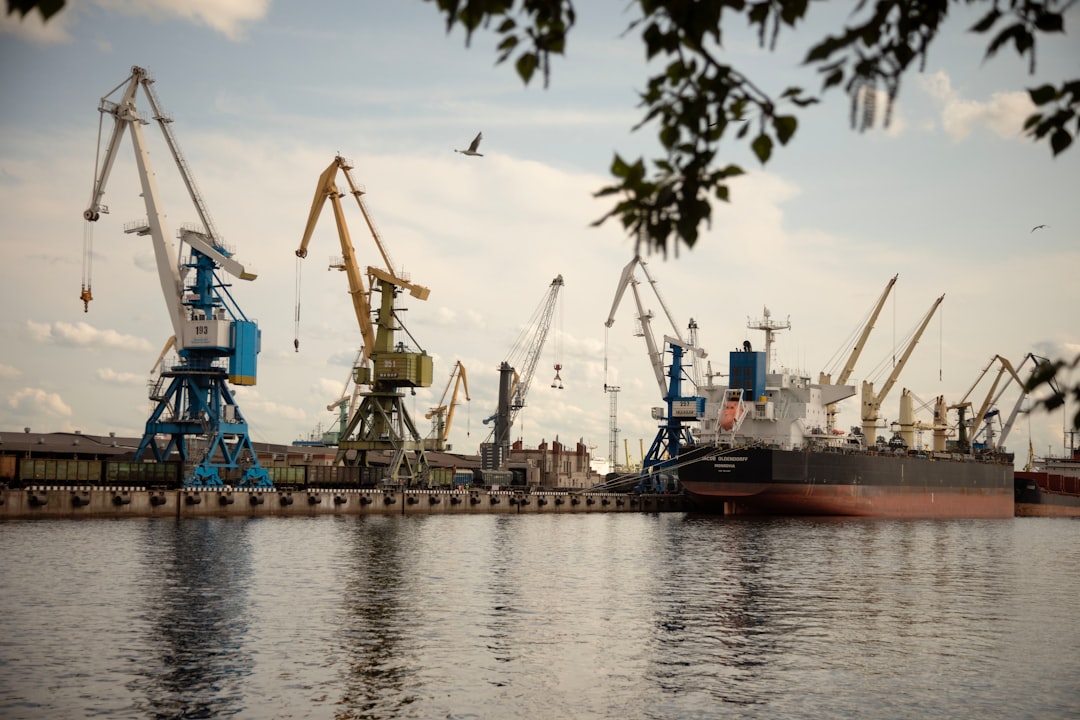
Overview of Printed Circuit Boards (PCB) Shipping Dynamics to/from Morocco
The import of Printed Circuit Boards (PCBs), classified under HS Code 8534.00, into Morocco is a critical component of the nation's growing electronics and industrial manufacturing sectors. As Morocco positions itself as a strategic gateway between Africa, Europe, and the Americas, understanding the nuances of importing high-tech components is essential for supply chain managers.
Regulatory Compliance and Documentation
Imports into Morocco require strict adherence to customs regulations managed by the Administration des Douanes et Impôts Indirects (ADII). For PCBs, importers must ensure that commercial invoices are detailed in French, clearly indicating the HS code, value, and origin. Compliance with the Verification of Conformity (VoC) program is often required to certify that electronic components meet national quality and safety standards.
Market Context for Electronics
Morocco’s industrial zones, such as the Tanger Free Zone, offer significant advantages for companies importing components for assembly and re-export. By leveraging these zones, businesses can benefit from duty-free imports and simplified customs procedures, provided the goods are processed or refined within the zone.
In-Depth Analysis of CMA CGM & Container Capacity
CMA CGM has solidified its position as a dominant carrier in the Mediterranean, with Tanger Med serving as a primary transshipment hub. The carrier’s strategic investments in the Eurogate terminal have enhanced operational efficiency, allowing for seamless connectivity between Asian manufacturing hubs and the Moroccan market.
Carrier Network and Service Reliability
CMA CGM utilizes high-capacity vessels, often exceeding 15,000 to 23,000 TEUs, on its major trade lanes. The integration of Tanger Med into its FAL (French Asia Line) services ensures that cargo flows are optimized for speed and reliability, even amidst global maritime shifts.
Strategic Partnerships
Beyond standard container shipping, CMA CGM’s subsidiary, La Méridionale, further strengthens the carrier's reach in the Western Mediterranean, providing robust feeder services that connect Tanger Med to broader regional networks.
Ocean Freight Rates & Cost Optimization for HS Code 8534.00
Ocean freight rates for the Mediterranean corridor remain volatile, influenced by geopolitical tensions and global capacity adjustments. While long-term contract rates have seen corrections in 2026, spot market rates remain sensitive to fuel surcharges and operational surcharges.
Freight Rate Comparison (Estimated Trends)
| Route/Service | Market Status (2026) | Cost Drivers |
|---|---|---|
| Asia to Mediterranean | Fluctuating (Spot-Driven) | Fuel surcharges, Red Sea risk premiums |
| Europe to Tanger Med | Stable/Competitive | High frequency, short-sea efficiency |
Cost Optimization Strategies
- Leverage Free Zones: Utilize Tanger Free Zone status to defer or eliminate duties on imported PCBs intended for re-export.
- Contract Flexibility: Given the current market volatility, balance spot market bookings with long-term contracts to hedge against sudden rate spikes.
- Consolidation: For smaller shipments, work with freight forwarders to consolidate PCB cargo, reducing per-unit logistics costs.
Port Container Tracking & Congestion at Port of Tanger Med
Tanger Med is one of the most technologically advanced ports in Africa, yet it is not immune to global supply chain pressures. As of mid-2026, the port maintains a relatively low congestion index, though seasonal weather events and vessel bunching can cause temporary delays.
Monitoring Port Performance
The port utilizes a sophisticated Port Community System (PCS), which provides real-time tracking for importers. Supply chain managers are encouraged to monitor the P90 waiting times and weekly congestion reports to adjust their inland transport schedules proactively.
Global Logistics Optimization & Supply Chain Strategies
Optimizing the flow of sensitive cargo like PCBs requires a multi-modal approach. Integrating sea freight with efficient inland road or rail transport is key to maintaining a competitive edge.
Multimodal Integration
Tanger Med is connected to a robust multimodal network, including highways and rail links that facilitate the rapid movement of goods to the Atlantic Free Zone and other industrial hubs. Coordinating with local logistics partners who have established infrastructure at the port can significantly reduce dwell times.
Risk Mitigation
For high-value electronics, prioritize carriers that offer "connected container" solutions, allowing for real-time monitoring of cargo conditions during transit. This is particularly vital for sensitive electronic components that may be susceptible to environmental factors.
Executive Summary & Future Outlook
Tanger Med continues to evolve as a critical node in global trade. For companies importing PCBs under HS Code 8534.00, the combination of strategic carrier partnerships (such as CMA CGM) and the utilization of Morocco’s free trade zones offers a pathway to operational excellence.
Key Takeaways
- Stay Informed: Monitor weekly port congestion data to avoid unexpected delays.
- Compliance First: Ensure all documentation, especially the commercial invoice and HS code classification, is precise to avoid customs penalties.
- Strategic Routing: Use Tanger Med as a transshipment hub to optimize transit times between Asia and the Mediterranean.
Sources & References:
Tanger Med Port Authority | CMA CGM Shipping Services | Administration des Douanes et Impôts Indirects (ADII) | Portcast Global Congestion Data
- Shipping Pneumatic Air Cylinders to the Port of Valencia, Spain
- Shipping Semiconductor Microchips (HS 854231) to the Port of Montreal
- Shipping Tomato Paste Cans (HS 200290) to the Port of Gothenburg, Sweden
- Shipping SPC Vinyl Click Flooring to the Port of Antwerp-Bruges
- Shipping True Wireless Earbuds (HS 8517.62) to the Port of Alexandria, Egypt
- Shipping Semiconductor Microchips (HS 854231) to the Port of Sines, Portugal
- Shipping Centrifugal Water Pumps to the Port of San Antonio, Chile
- Shipping Digital Signage Monitors to the Port of Trieste, Italy
- Shipping Printed Circuit Boards (PCB) to Egypt via Port of Said
- Optimizing Logistics for Solid State Drives (SSD) Imports to the Port of Chittagong, Bangladesh