
 432 Visitors
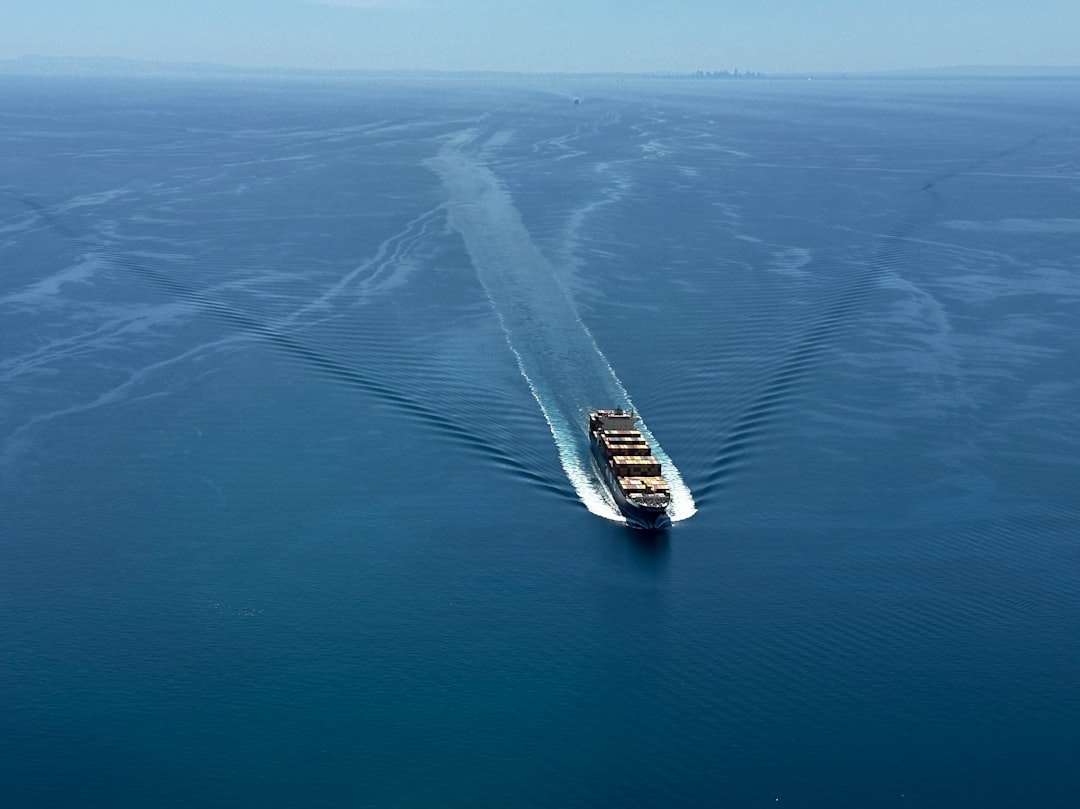
Overview of Protein Whey Powder Shipping Dynamics to/from Australia
Market Context and Product Classification
Shipping protein whey powder, classified under HS Code 350220 (Milk albumin, including concentrates of two or more whey proteins), requires meticulous attention to both international freight conditions and Australian biosecurity regulations. As of July 2026, the Australian import market is experiencing a firm pricing environment driven by early peak season demand and global capacity management.
Regulatory Compliance for Dairy Imports
Because whey protein is a dairy-derived product, it is subject to stringent oversight by the Australian Department of Agriculture, Fisheries and Forestry (DAFF). Importers must ensure that all documentation, including health certificates and country-of-origin declarations, is precise to avoid quarantine delays at the Port of Sydney. Failure to comply with labeling requirements regarding allergens and ingredients can result in significant clearance bottlenecks.
In-Depth Analysis of MSC, OOCL, & TS Lines Container Capacity
Carrier Performance and Service Reliability
Major carriers including MSC, OOCL, and TS Lines are currently navigating a complex operational landscape. In the China-Australia trade lane, carriers have been actively managing capacity through blank sailings to maintain vessel utilization rates. While this strategy supports carrier profitability, it often leads to cargo rollovers for shippers who do not secure space well in advance.
Capacity Constraints and Schedule Recovery
Recent reports indicate that vessel utilization on routes into Australia has frequently exceeded 110%, leading to consecutive weeks of rollovers. Carriers like OOCL have been forced to adjust port rotations—occasionally omitting ports to assist with schedule recovery—which directly impacts transit time predictability for importers of food-grade commodities like whey protein.
Ocean Freight Rates & Cost Optimization for HS Code 350220
Current Freight Rate Environment
Freight rates for the China-to-Australia trade lane have seen upward pressure throughout mid-2026. While exact spot rates fluctuate daily based on carrier allocation, the market has seen significant increases in Peak Season Surcharges (PSS) and Emergency Bunker Surcharges (EBS).
| Cost Component | Status (July 2026) | Impact on Landed Cost |
|---|---|---|
| Base Ocean Freight | Firm/Elevated | High |
| Peak Season Surcharge (PSS) | Active (approx. $700/TEU) | Moderate |
| Emergency Bunker Surcharge | Variable/Rising | High |
Optimization Strategies
- Book Early: Secure space at least 3-4 weeks in advance to mitigate the risk of cargo rollovers.
- Consolidate Shipments: Where possible, utilize FCL (Full Container Load) to avoid the higher volatility associated with LCL (Less than Container Load) services.
- Monitor Surcharges: Regularly review carrier advisories for updates on PSS and EBS, which are currently being adjusted monthly by major lines.
Port Container Tracking & Congestion at Port of Sydney (Botany)
Current Congestion Metrics
The Port of Sydney (Botany) is currently experiencing moderate congestion, with vessel waiting times typically ranging between 1 to 3 days. While this is more stable than some global transshipment hubs, the "cascade effect" of delays from Asian origin ports often results in vessel bunching upon arrival in Australia.
Operational Challenges
Biosecurity and quarantine inspections remain a primary cause of potential delays for food products. Importers should coordinate with their customs brokers to ensure that all pre-clearance documentation is submitted, allowing for faster processing once the container is discharged at the terminal.
Global Logistics Optimization & Supply Chain Strategies
Managing Total Landed Cost
In the current 2026 climate, focusing solely on the base freight rate is insufficient. Importers must account for the "total risk position," which includes domestic cartage costs—currently rising in New South Wales—and the potential for demurrage if cargo is delayed due to terminal congestion.
Resilience and Visibility
Implementing real-time container tracking is essential for managing inventory buffers. Given the volatility in the Middle East and its impact on fuel costs, maintaining a flexible supply chain—perhaps by diversifying carrier options beyond a single line—can provide a necessary hedge against sudden service disruptions.
Executive Summary & Future Outlook
Sources & References
OOCL Customer Advisories (June 2026) | Maersk Asia Pacific Market Updates | Daily Cargo News (DCN) Freight Market Reports | Australian Department of Agriculture, Fisheries and Forestry (DAFF)
- Shipping Pneumatic Air Cylinders to the Port of Valencia, Spain
- Shipping Semiconductor Microchips (HS 854231) to the Port of Montreal
- Shipping Tomato Paste Cans (HS 200290) to the Port of Gothenburg, Sweden
- Shipping SPC Vinyl Click Flooring to the Port of Antwerp-Bruges
- Shipping True Wireless Earbuds (HS 8517.62) to the Port of Alexandria, Egypt
- Shipping Semiconductor Microchips (HS 854231) to the Port of Sines, Portugal
- Shipping Centrifugal Water Pumps to the Port of San Antonio, Chile
- Shipping Digital Signage Monitors to the Port of Trieste, Italy
- Shipping Printed Circuit Boards (PCB) to Egypt via Port of Said
- Optimizing Logistics for Solid State Drives (SSD) Imports to the Port of Chittagong, Bangladesh