
 329 Visitors
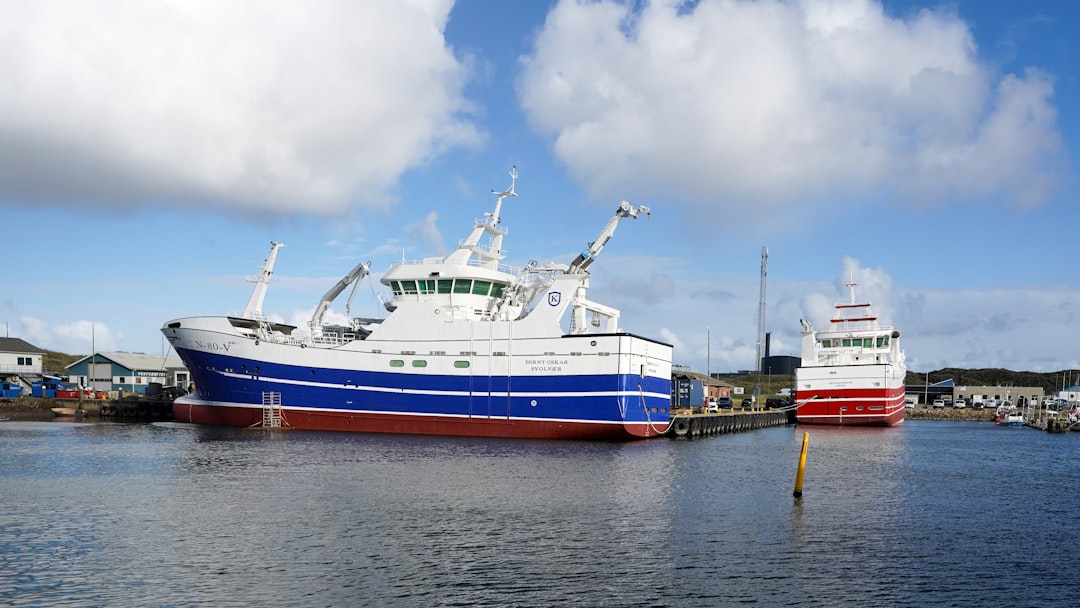
Overview of Pure Ginseng Extract Liquid Shipping Dynamics to the United States
Shipping high-value, temperature-sensitive botanical extracts like Pure Ginseng Extract Liquid (HS Code 1302.19) requires a sophisticated approach to supply chain management. As a product often classified under Vegetable saps and extracts, it demands strict adherence to FDA regulations and precise environmental controls during transit to maintain its therapeutic integrity.
Regulatory Compliance and HS Code 1302.19
Under the Harmonized Tariff Schedule (HTS) of the United States, pure ginseng extract typically falls under subheading 1302.19.4020. Importers must be aware that this product is subject to the Federal Food, Drug, and Cosmetic Act. Documentation must clearly state the extraction process (e.g., ethanol/water ratios) and provide a Certificate of Analysis (CoA) to ensure smooth customs clearance at the Port of Long Beach.
Cold Chain and Integrity Requirements
Liquid extracts are highly susceptible to degradation from temperature fluctuations, light, and vibration. Industry best practices dictate the use of refrigerated ISO tanks or specialized insulated packaging with IoT-enabled real-time monitoring to prevent spoilage, which can lead to total loss of high-value cargo.
In-Depth Analysis of MSC, CMA CGM, & Evergreen Container Capacity
The Transpacific trade lane is currently dominated by major carriers including MSC, CMA CGM, and Evergreen. As of mid-2026, these carriers are navigating a complex market characterized by record-breaking fleet sizes and aggressive capacity management.
Carrier Fleet Milestones
- MSC: The world's largest carrier has officially surpassed the 1,000-vessel mark, solidifying its dominance with over 21% of the global fleet capacity.
- CMA CGM: Continues to invest heavily in LNG-powered vessels, maintaining a strong position in the Ocean Alliance and focusing on sustainable, high-capacity deployment.
- Evergreen: Operates one of the youngest fleets among the top 20 carriers, providing high reliability for time-sensitive cargo.
Capacity Deployment Strategies
While global capacity is at an all-time high, these carriers are utilizing "blank sailings" (canceled port calls) to manage supply-demand imbalances. For shippers of sensitive liquids, choosing a carrier with a robust refrigerated container (reefer) fleet is critical, as these carriers are currently prioritizing high-yield, temperature-controlled cargo.
Ocean Freight Rates & Cost Optimization for HS Code 1302.19
Freight rates for the Asia-to-U.S. West Coast route in June 2026 are currently experiencing a transition period. While spot rates saw volatility earlier in the year, the market is showing signs of stabilization as carriers adjust to seasonal demand.
| Route Segment | Estimated Spot Rate (per 40HC) | Market Trend |
|---|---|---|
| Asia to US West Coast (Long Beach) | $2,650 - $4,750 | Softening/Stabilizing |
| Asia to US East Coast | $3,800 - $5,800 | Tightening |
Port Container Tracking & Congestion at the Port of Long Beach
The Port of Long Beach (POLB) has demonstrated remarkable operational fluidity in the first half of 2026. Contrary to historical trends of severe congestion, current data indicates that the port is operating with minimal wait times.
Current Operational Status
As of June 2026, the median vessel waiting time at the Port of Long Beach is consistently under 1 day. Truck turn times are averaging approximately 55 minutes, signaling a highly efficient gateway for importers.
Monitoring Tools for Shippers
Shippers should utilize real-time port tracking platforms (such as Portcast or GoComet) to monitor specific terminal performance. While the port is currently fluid, geopolitical tensions and potential labor negotiations remain "wildcard" factors that could impact throughput in the second half of the year.
Global Logistics Optimization & Supply Chain Strategies
To ensure the safe and cost-effective delivery of liquid ginseng extracts, logistics managers must move beyond standard shipping practices.
- Diversification: Do not rely on a single carrier. Split volumes between the Ocean Alliance (CMA CGM/Evergreen) and independent services to mitigate the risk of blank sailings.
- Advanced Monitoring: Invest in IoT sensors that provide real-time data on temperature, humidity, and shock. This data is invaluable for insurance claims and quality assurance.
- Pre-Clearance: Utilize the FDA's "Prior Notice" system for food and drug imports to ensure that customs documentation is processed before the vessel arrives at the Port of Long Beach.
Executive Summary & Future Outlook
The outlook for shipping pure ginseng extract liquid to the U.S. in late 2026 is cautiously optimistic. While freight rates are currently in a state of flux, the operational efficiency at the Port of Long Beach provides a stable environment for importers. The key to success lies in proactive capacity booking, strict adherence to FDA botanical import regulations, and the use of advanced cold-chain technology to protect product quality.
Sources & References
- Shipping Pneumatic Air Cylinders to the Port of Valencia, Spain
- Shipping Semiconductor Microchips (HS 854231) to the Port of Montreal
- Shipping Tomato Paste Cans (HS 200290) to the Port of Gothenburg, Sweden
- Shipping SPC Vinyl Click Flooring to the Port of Antwerp-Bruges
- Shipping True Wireless Earbuds (HS 8517.62) to the Port of Alexandria, Egypt
- Shipping Semiconductor Microchips (HS 854231) to the Port of Sines, Portugal
- Shipping Centrifugal Water Pumps to the Port of San Antonio, Chile
- Shipping Digital Signage Monitors to the Port of Trieste, Italy
- Shipping Printed Circuit Boards (PCB) to Egypt via Port of Said
- Optimizing Logistics for Solid State Drives (SSD) Imports to the Port of Chittagong, Bangladesh