
 0 Visitors
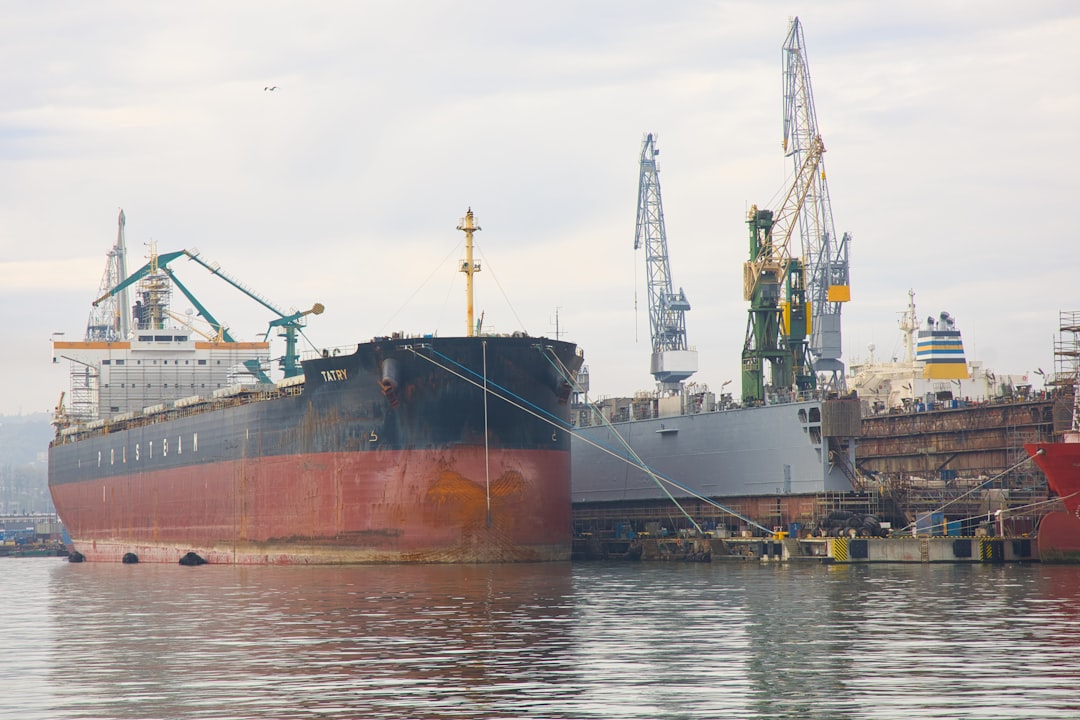
Overview of Spunbond Nonwoven Fabric Shipping Dynamics to/from Pakistan
The import of Spunbond Nonwoven Fabric, classified under HS Code 560312, represents a critical supply chain component for Pakistan’s textile and hygiene manufacturing sectors. As of June 2026, the trade landscape for this commodity is heavily influenced by regional geopolitical shifts and the evolving role of Pakistan’s maritime infrastructure as a regional "Safe Haven" for cargo.
Market Demand and Classification
Spunbond nonwoven fabrics are essential for medical, agricultural, and industrial applications. Under HS Code 560312, importers must ensure precise documentation to comply with Pakistan Customs regulations, which prioritize the classification of synthetic textile materials to manage tariff structures effectively.
Geopolitical Impact on Trade Routes
The ongoing instability in the Strait of Hormuz has forced a structural shift in shipping patterns. Many carriers are now prioritizing direct calls to Pakistani ports, including the Port of Qasim, to avoid the high insurance premiums and risks associated with Gulf transit.
In-Depth Analysis of MSC / CMA CGM & Container Capacity
Major global carriers, specifically MSC and CMA CGM, remain the backbone of containerized trade at the Port of Qasim. These lines have adapted their service networks to accommodate the surge in transshipment and direct import volumes.
Carrier Service Reliability
Both MSC and CMA CGM maintain regular feeder and mother-vessel services at the Qasim International Container Terminal (QICT). As of June 2026, these carriers are managing a complex balance between high-yield Red Sea routes and the growing demand for direct connectivity to the Pakistani market.
Capacity Management
Carriers are currently utilizing a mix of vessel sizes to optimize throughput. While global container capacity is tightening due to early peak season demand, the strategic importance of the Pakistan-UAE feeder network ensures that space for essential industrial inputs like nonwoven fabrics remains prioritized.
Ocean Freight Rates & Cost Optimization for HS Code 560312
Ocean freight rates for the Pakistan trade lane have seen upward pressure in Q2 2026. While global rates are fluctuating, the specific "war-risk" surcharges and regional demand have pushed rates for containerized cargo to approximately USD 2,100 per FEU, though this varies significantly based on origin and contract terms.
Cost Comparison Table
| Route Segment | Estimated Rate (per FEU) | Trend Status |
|---|---|---|
| Far East to Port Qasim | USD 2,000 - 2,200 | Increasing |
| Europe to Port Qasim | USD 3,500 - 4,000 | Volatile |
| Regional Feeder (UAE to Qasim) | USD 800 - 1,200 | Stable |
Optimization Strategies
- Hybrid Booking: Combine long-term contracts for base volume with spot market bookings for seasonal spikes.
- Inland Consolidation: Utilize off-dock terminals at Port Qasim to reduce demurrage and detention costs.
Port Container Tracking & Congestion at Port of Qasim
Port Qasim is currently operating under high pressure due to its role as a regional transshipment hub. As of June 2026, the port is managing a significant influx of containerized cargo, leading to periodic berth congestion.
Real-Time Operational Status
The Qasim International Container Terminal (QICT) is operating 24/7 to mitigate delays. However, shippers should anticipate waiting times at the outer anchorage, particularly for vessels arriving during peak windows. Real-time tracking via the Port Qasim Authority (PQA) daily reports is essential for logistics planning.
Managing Congestion
Global Logistics Optimization & Supply Chain Strategies
Optimizing the supply chain for nonwoven fabric imports requires a proactive approach to risk management and infrastructure utilization.
Strategic Sourcing and Buffer Stocks
Given the volatility in the Middle Eastern maritime corridors, importers should maintain a 30-day buffer stock of raw materials. Relying on "just-in-time" delivery is currently high-risk due to unpredictable vessel scheduling.
Leveraging Regional Hubs
Consider utilizing the growing feeder network between Karachi/Port Qasim and regional hubs like Fujairah. This allows for greater flexibility in rerouting cargo if specific terminal congestion spikes occur.
Executive Summary & Future Outlook
The outlook for shipping to Port Qasim remains positive but operationally challenging. While the port has demonstrated remarkable resilience and growth, the reliance on regional stability and global carrier capacity management means that shippers must remain agile.
Key Takeaways
- Monitor Geopolitics: Keep a close watch on Strait of Hormuz developments, as these directly impact vessel schedules.
- Prioritize Documentation: Ensure strict compliance with HS Code 560312 requirements to avoid customs-related delays.
- Operational Agility: Utilize 24/7 terminal operations and off-dock storage to maintain flow.
Sources & References
Data retrieved from Port Qasim Authority (PQA) Daily Shipping Reports, CMA CGM Port Schedules, and industry analysis from Business Recorder regarding Pakistan's maritime trade trends as of June 2026.
- Shipping Pneumatic Air Cylinders to the Port of Valencia, Spain
- Shipping Semiconductor Microchips (HS 854231) to the Port of Montreal
- Shipping Tomato Paste Cans (HS 200290) to the Port of Gothenburg, Sweden
- Shipping SPC Vinyl Click Flooring to the Port of Antwerp-Bruges
- Shipping True Wireless Earbuds (HS 8517.62) to the Port of Alexandria, Egypt
- Shipping Semiconductor Microchips (HS 854231) to the Port of Sines, Portugal
- Shipping Centrifugal Water Pumps to the Port of San Antonio, Chile
- Shipping Digital Signage Monitors to the Port of Trieste, Italy
- Shipping Printed Circuit Boards (PCB) to Egypt via Port of Said
- Optimizing Logistics for Solid State Drives (SSD) Imports to the Port of Chittagong, Bangladesh