
 457 Visitors
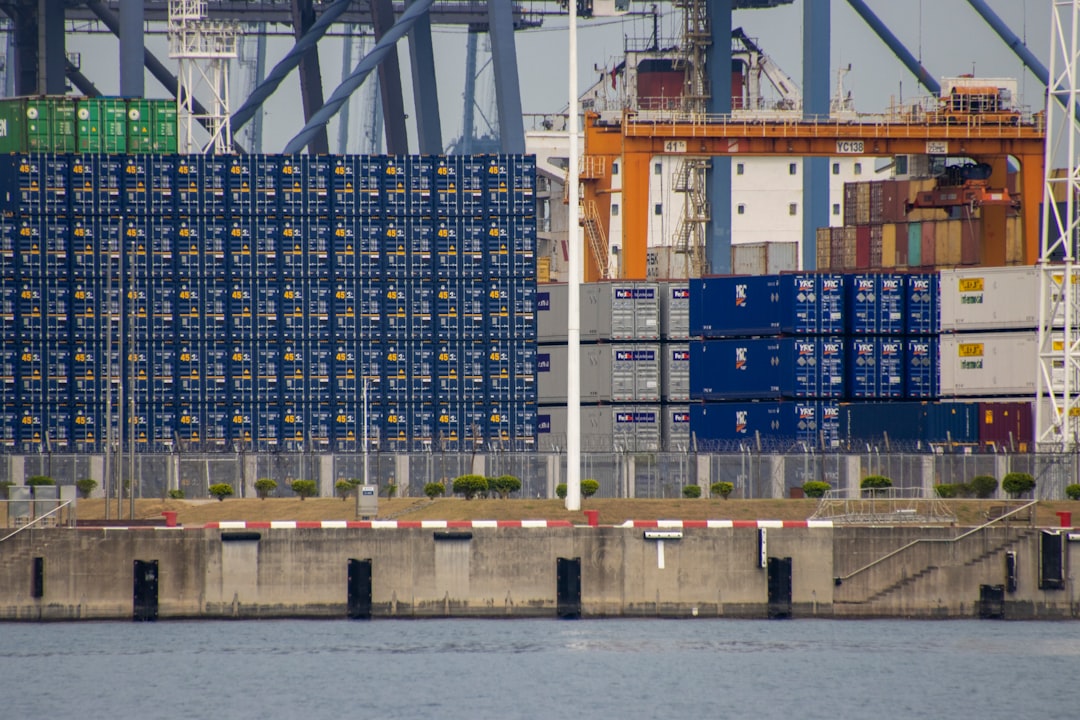
Overview of Threaded Forged Pipe Elbows Shipping Dynamics to Nigeria
The importation of industrial components like threaded forged pipe elbows (HS Code 730719) into Nigeria requires a nuanced understanding of both the global maritime landscape and the specific operational realities of the Nigerian port system. As a critical component for the oil, gas, and construction sectors, these items are subject to rigorous customs scrutiny and require precise documentation to avoid delays.
Market Demand and Cargo Characteristics
Threaded forged pipe elbows are high-density, durable industrial goods. Because they are heavy and compact, they are typically shipped in 20ft containers to maximize weight capacity without exceeding the maximum payload limits of the vessel or the inland haulage equipment in Nigeria.
Regulatory and Customs Compliance
Importers must ensure compliance with the Nigeria Customs Service (NCS) regulations. HS Code 730719 falls under "Other tube or pipe fittings, of cast iron or steel." Proper classification is essential to avoid penalties, as customs officials strictly verify the material composition and manufacturing process of forged fittings.
In-Depth Analysis of Maersk, Grimaldi, & MSC Container Capacity
The West African trade route is dominated by major carriers that provide essential connectivity for Nigerian importers. Maersk, Grimaldi, and MSC remain the primary players, each offering distinct advantages for industrial cargo.
Carrier Service Profiles
- Maersk: Offers extensive global reach with regular, reliable schedules. Their digital booking platforms provide high visibility for industrial shippers.
- Grimaldi: Known for their ConRo (Container/RoRo) services, which are particularly effective for mixed-cargo shipments and heavy industrial equipment.
- MSC: Operates one of the largest fleets globally, providing significant capacity and frequent sailings to the West African coast, often utilizing transshipment hubs to reach Lagos.
Capacity Management and Equipment Availability
A recurring challenge in the Nigerian market is the trade imbalance. Because imports significantly outweigh exports, shipping lines often face a surplus of empty containers. Recent industry reports indicate that carriers are actively managing this equipment, sometimes leading to localized shortages or, conversely, controversial practices regarding the sale of empty containers locally.
Ocean Freight Rates & Cost Optimization for HS Code 730719
Freight rates for the West African route are currently characterized by volatility, influenced by fuel surcharges, port congestion surcharges, and the ongoing depreciation of the Naira, which complicates dollar-denominated logistics payments.
Estimated Market Rate Trends (June 2026)
| Container Type | Estimated Market Range (USD) | Key Cost Drivers |
|---|---|---|
| 20ft FCL (Full Container Load) | $2,500 – $5,500+ | Fuel (BAF), Port Congestion, Currency Volatility |
| 40ft FCL (Full Container Load) | $4,000 – $9,000+ | Vessel Space, Peak Season Surcharges |
| LCL (Less than Container Load) | $85 – $180 per CBM | Deconsolidation fees, Handling charges |
Cost Optimization Strategies
- Consolidation: For smaller shipments, utilize LCL, but be wary of high destination handling charges in Lagos.
- Incoterms: Carefully negotiate Incoterms (e.g., DAP or DDP) to ensure clarity on who bears the risk of port congestion delays.
- Advance Documentation: Ensure all SONCAP (Standards Organisation of Nigeria Conformity Assessment Programme) documentation is finalized before the vessel arrives to minimize demurrage.
Port Container Tracking & Congestion at the Port of Lagos (Apapa/Tin Can)
The Port of Lagos, comprising the Apapa and Tin Can Island terminals, remains the primary gateway for Nigerian imports. However, it is frequently plagued by congestion, which directly impacts the "landed cost" of your cargo.
Current Operational Status
As of June 2026, the Nigerian government continues to implement "clean-up" exercises and enforcement of the electronic call-up system to manage the chronic gridlock on port access roads. Despite these efforts, importers should anticipate:
- Vessel Turnaround Times: Ranging from 4 to 6 days, often exceeding global benchmarks.
- Cargo Dwell Time: Frequently exceeding 15 days due to customs inspection and truck scheduling bottlenecks.
Mitigating Congestion Risks
Global Logistics Optimization & Supply Chain Strategies
To remain competitive in the Nigerian market, businesses must move beyond simple freight booking toward comprehensive supply chain resilience.
Diversifying Entry Points
Given the chronic congestion at Lagos ports, consider exploring alternative Nigerian ports such as Onne or Port Harcourt, especially if your final destination is in the Eastern or Southern regions of the country. This can significantly reduce inland haulage costs and transit times.
Digital Integration
Leverage digital logistics platforms that offer end-to-end visibility. Real-time tracking allows for proactive communication with customers regarding potential delays, helping to manage expectations and maintain service levels despite infrastructure challenges.
Executive Summary & Future Outlook
Shipping threaded forged pipe elbows to Nigeria is a high-reward but high-complexity operation. The key to success lies in meticulous planning, early documentation, and a deep understanding of the local port environment.
Key Takeaways
- Volatility: Expect freight rates to remain sensitive to global fuel prices and local currency fluctuations.
- Infrastructure: Port congestion remains a structural reality; build "buffer time" into your supply chain schedules.
- Compliance: Strict adherence to NCS and SONCAP regulations is non-negotiable for industrial goods.
Sources & References
Data and insights derived from: The Punch, U.S. International Trade Administration, Travo Logistics Insights, and Vanguard News regarding 2026 Nigerian maritime operations and port congestion reports.
- Shipping Pneumatic Air Cylinders to the Port of Valencia, Spain
- Shipping Semiconductor Microchips (HS 854231) to the Port of Montreal
- Shipping Tomato Paste Cans (HS 200290) to the Port of Gothenburg, Sweden
- Shipping SPC Vinyl Click Flooring to the Port of Antwerp-Bruges
- Shipping True Wireless Earbuds (HS 8517.62) to the Port of Alexandria, Egypt
- Shipping Semiconductor Microchips (HS 854231) to the Port of Sines, Portugal
- Shipping Centrifugal Water Pumps to the Port of San Antonio, Chile
- Shipping Digital Signage Monitors to the Port of Trieste, Italy
- Shipping Printed Circuit Boards (PCB) to Egypt via Port of Said
- Optimizing Logistics for Solid State Drives (SSD) Imports to the Port of Chittagong, Bangladesh