
 464 Visitors
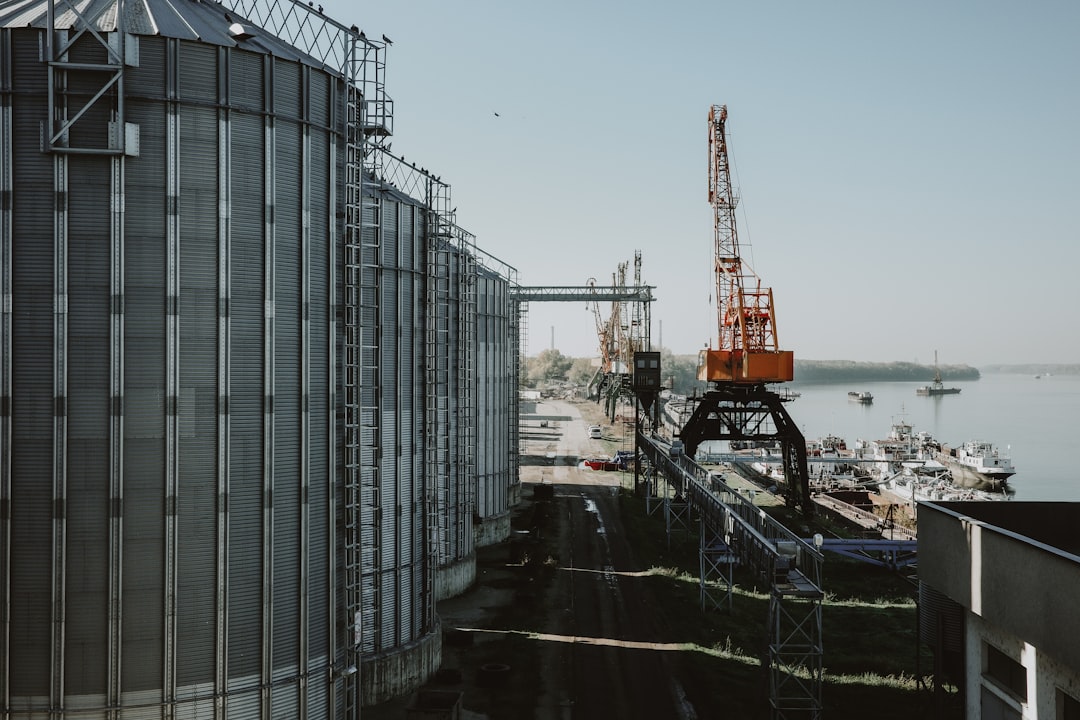
Overview of Titanium Dioxide Pigments Shipping Dynamics to/from Pakistan
Titanium Dioxide (TiO2) pigments, classified under HS Code 3206.11 (containing 80% or more by weight of titanium dioxide), are critical raw materials for Pakistan’s industrial sectors, including paints, coatings, plastics, and paper manufacturing. As a high-demand chemical import, the supply chain for this commodity is highly sensitive to maritime stability and customs efficiency.
Market Demand and Regulatory Context
Pakistan’s manufacturing sector relies heavily on imported chemical inputs. Because local production of high-purity TiO2 is limited, manufacturers depend on consistent international supply chains. Importers must ensure strict compliance with customs documentation, as chemical imports are subject to rigorous safety standards and regulatory checks to prevent the entry of hazardous or misclassified materials.
Key Trade Routes
The majority of TiO2 shipments to Pakistan originate from major manufacturing hubs in China, Europe, and the Middle East. The Port of Karachi serves as the primary gateway for these goods, though the recent geopolitical climate in the Gulf region has introduced significant volatility into transit times and freight costs.
In-Depth Analysis of Main Shipping Line & Container Capacity
Major carriers including Maersk, COSCO, and OOCL maintain robust service profiles for the Pakistan trade lane. These lines provide essential connectivity, though they are currently navigating complex operational challenges due to regional maritime disruptions.
Carrier Service Reliability
- Maersk: Offers extensive global coverage with specialized local support in Karachi for handling chemical cargo and managing container free-time.
- COSCO: Maintains a strong local presence in Pakistan, facilitating both containerized and bulk shipping solutions with deep integration into regional logistics networks.
- OOCL: Recently expanded its Southeast Asia-India-Pakistan service, providing competitive transit times for regional transshipment.
Capacity Management
Carriers are currently balancing high demand for transshipment space with the need to bypass disrupted Gulf routes. While container capacity remains available, space protection and equipment priority are recommended for high-value chemical shipments to avoid delays during peak demand periods.
Ocean Freight Rates & Cost Optimization for HS Code 3206.11
Freight rates to the Port of Karachi are currently influenced by regional security premiums and fluctuating bunker costs. Below is a summary of recent market trends for containerized freight.
| Route | Container Type | Estimated Rate Range (USD) | Market Trend |
|---|---|---|---|
| US East Coast to Karachi | 40' HC | $1,010 – $2,310 | Volatile |
| US Gulf (Houston) to Karachi | 40' HC | $1,330 – $3,192 | Rising |
Cost Optimization Strategies
To mitigate rising costs, importers should:
- Leverage contract rates rather than spot market pricing where possible.
- Consolidate shipments to maximize container utilization (FCL vs. LCL).
- Utilize "Free Time" agreements effectively to avoid heavy demurrage and detention charges at the Port of Karachi.
Port Container Tracking & Congestion at Port of Karachi
The Port of Karachi is currently experiencing significant operational strain. As of June 2026, the port has seen a sharp increase in transshipment activity as vessels divert from traditional Gulf routes due to regional tensions.
Current Congestion Status
Reports indicate that multiple vessels, including sanctioned cargo ships, have been observed anchoring in the vicinity of the port, contributing to increased turnaround times. Infrastructure bottlenecks, including limited storage capacity and heavy traffic congestion on roads leading to the port, continue to challenge the efficient evacuation of cargo.
Tracking and Visibility
Global Logistics Optimization & Supply Chain Strategies
Optimizing the supply chain for chemical imports like Titanium Dioxide requires a multi-faceted approach to mitigate risk and ensure production continuity.
Risk Mitigation
- Diversification: Do not rely on a single shipping line or route. Maintain relationships with multiple carriers to ensure flexibility.
- Buffer Stocks: Given the unpredictability of regional maritime traffic, increasing safety stock levels for critical raw materials is a prudent strategy.
Infrastructure & Technology
The adoption of digital documentation and automated tracking systems is critical for navigating the complex customs environment in Pakistan. Working with freight forwarders who have deep local expertise can help bypass common pitfalls related to regulatory compliance and port-side delays.
Executive Summary & Future Outlook
The import of Titanium Dioxide into Pakistan remains a vital but challenging operation. While the Port of Karachi continues to serve as a key regional hub, the current geopolitical environment necessitates a high degree of vigilance and strategic planning.
Key Takeaways
- Monitor Geopolitics: Regional maritime disruptions are directly impacting transit times and freight costs.
- Prioritize Compliance: Ensure all HS Code 3206.11 documentation is accurate to avoid customs-related delays.
- Plan for Congestion: Expect longer-than-average turnaround times at the Port of Karachi and plan inland logistics accordingly.
Sources & References
Maersk Pakistan Import/Export Advisories | OOCL Service Profiles & Local News | DAWN News: Port Infrastructure & Logistics Updates | Skypace Ocean Freight Market Analytics
- Shipping Pneumatic Air Cylinders to the Port of Valencia, Spain
- Shipping Semiconductor Microchips (HS 854231) to the Port of Montreal
- Shipping Tomato Paste Cans (HS 200290) to the Port of Gothenburg, Sweden
- Shipping SPC Vinyl Click Flooring to the Port of Antwerp-Bruges
- Shipping True Wireless Earbuds (HS 8517.62) to the Port of Alexandria, Egypt
- Shipping Semiconductor Microchips (HS 854231) to the Port of Sines, Portugal
- Shipping Centrifugal Water Pumps to the Port of San Antonio, Chile
- Shipping Digital Signage Monitors to the Port of Trieste, Italy
- Shipping Printed Circuit Boards (PCB) to Egypt via Port of Said
- Optimizing Logistics for Solid State Drives (SSD) Imports to the Port of Chittagong, Bangladesh