
 485 Visitors
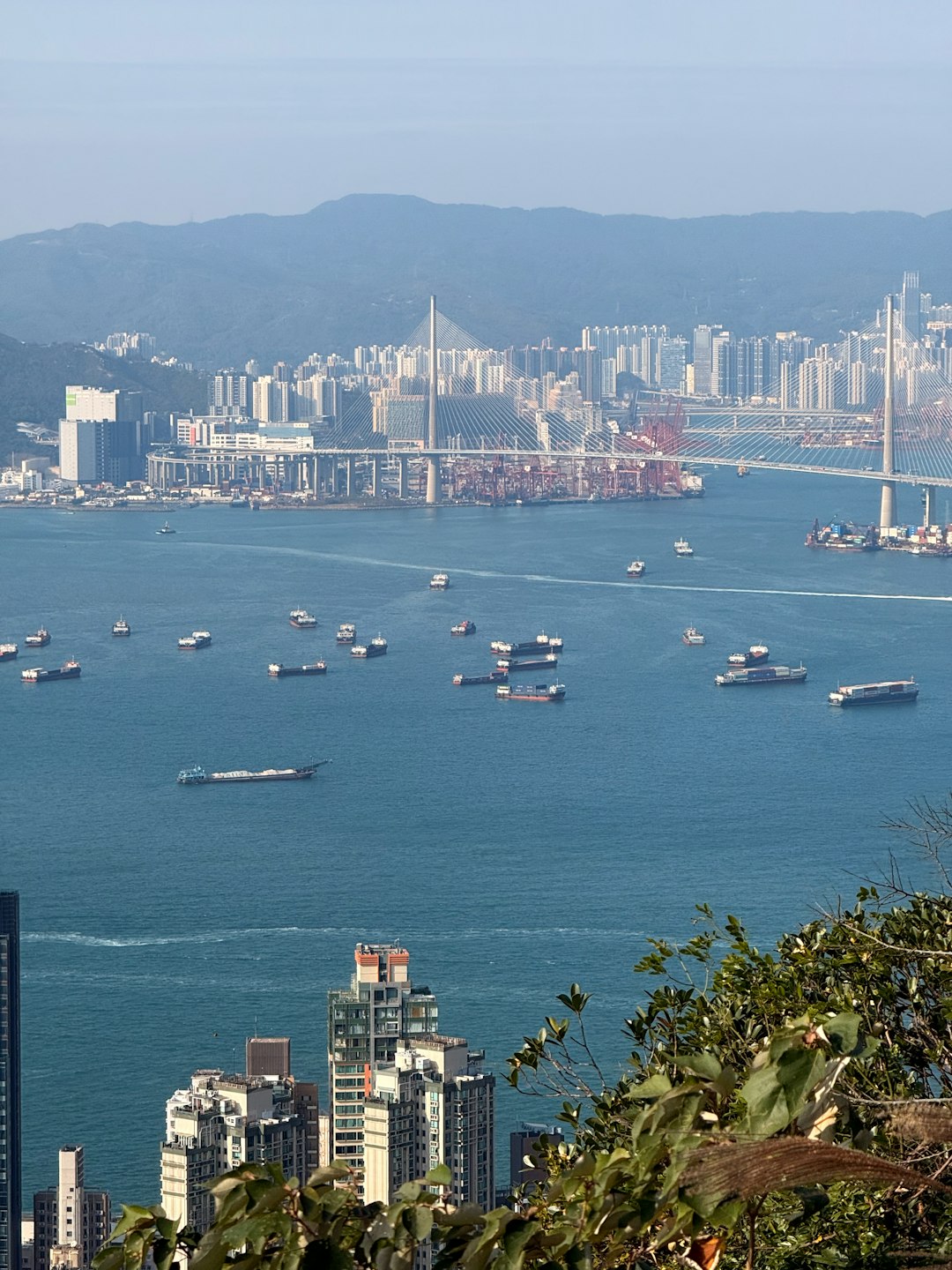
Overview of Wireless Security Camera Shipping Dynamics to Chile
Market Demand and Product Classification
The import of wireless security cameras into Chile, classified under HS Code 8525.89, has seen steady growth driven by the expansion of smart home technology and commercial surveillance infrastructure. As these devices are high-value electronics, they require careful handling, climate-controlled storage, and precise customs documentation to ensure seamless entry into the Chilean market.
Regulatory Environment and Customs Compliance
Chile’s Servicio Nacional de Aduanas maintains a transparent but rigorous import process. Importers must ensure that the HS Code 8525.89 is correctly applied to avoid classification disputes. Leveraging the US-Chile Free Trade Agreement (CLFTA) or other applicable trade agreements can often result in duty-free entry for qualifying goods, provided that the Certificate of Origin is accurate and submitted via the Ventanilla Unica de Comercio Exterior (VUCE) system.
In-Depth Analysis of Maersk / CMA CGM & Container Capacity
Carrier Services and Connectivity
Both Maersk and CMA CGM are dominant players in the Chile trade lane, offering robust weekly services that connect the Port of Valparaiso to major global hubs in Asia, North America, and Europe. Maersk provides comprehensive inland solutions, including rail and trucking, to move cargo from Valparaiso to inland hubs like Santiago. CMA CGM similarly offers extensive routing options, often utilizing the Terminal Pacífico Sur (TPS) for efficient cargo discharge.
Capacity and Equipment Availability
As of June 2026, capacity remains stable, though shippers should be aware of seasonal fluctuations. During peak fruit export seasons, container availability—particularly for specialized units—can tighten. It is recommended to book at least 3-4 weeks in advance to secure equipment and space on preferred vessels.
Ocean Freight Rates & Cost Optimization for HS Code 8525.89
Freight Rate Trends
Ocean freight rates for electronics are influenced by fuel surcharges, carrier capacity management, and global trade route disruptions. While rates fluctuate, shippers can optimize costs by comparing FCL (Full Container Load) and LCL (Less than Container Load) options based on shipment volume.
| Service Type | Estimated Transit Time | Cost Optimization Strategy |
|---|---|---|
| Ocean FCL (20ft/40ft) | 15–33 Days | Best for high-volume; leverage volume contracts. |
| Ocean LCL | 20–50 Days | Ideal for smaller batches; reduces per-unit cost. |
| Air Freight | 2–8 Days | Reserved for high-value/urgent inventory replenishment. |
Port Container Tracking & Congestion at Port of Valparaiso
Current Congestion Status
The Port of Valparaiso currently reports low congestion levels, with median vessel waiting times often recorded at less than 0.1 days. The port operates efficiently, though it is currently navigating a transitional phase regarding terminal concessions (specifically Terminal 2), which may impact long-term infrastructure planning.
Tracking and Operational Visibility
Shippers are encouraged to utilize carrier-provided tracking portals (such as Maersk’s MyFinance or CMA CGM’s tracking tools) to monitor real-time vessel arrivals and gate-in deadlines. Proactive monitoring of the FOLOVAP (Valparaiso Logistics Forum) updates is recommended to stay informed about local labor or weather-related operational shifts.
Global Logistics Optimization & Supply Chain Strategies
Strategic Recommendations for Importers
- Documentation Discipline: Ensure the Certificate of Origin and commercial invoices are error-free to prevent customs holds.
- Inland Integration: Utilize integrated logistics services (e.g., Maersk’s inland trucking) to streamline the movement from the port to final distribution centers in Santiago.
- Buffer Stocking: Given the potential for seasonal port bottlenecks, maintain a 2-week safety stock of wireless security cameras to mitigate transit delays.
Executive Summary & Future Outlook
Summary of Findings
Shipping wireless security cameras to Valparaiso is currently a stable and efficient process. With the Port of Valparaiso maintaining low congestion and major carriers like Maersk and CMA CGM providing reliable service, the primary focus for supply chain managers should be on customs compliance and proactive booking to manage seasonal capacity constraints.
Future Outlook
The Port of Valparaiso is moving toward an integrated port model, with potential joint concessions for its terminals aimed at increasing efficiency. Shippers should monitor these developments, as they are expected to enhance throughput capacity and reduce long-term logistics costs for importers of manufactured goods.
Sources & References:
- Shipping Pneumatic Air Cylinders to the Port of Valencia, Spain
- Shipping Semiconductor Microchips (HS 854231) to the Port of Montreal
- Shipping Tomato Paste Cans (HS 200290) to the Port of Gothenburg, Sweden
- Shipping SPC Vinyl Click Flooring to the Port of Antwerp-Bruges
- Shipping True Wireless Earbuds (HS 8517.62) to the Port of Alexandria, Egypt
- Shipping Semiconductor Microchips (HS 854231) to the Port of Sines, Portugal
- Shipping Centrifugal Water Pumps to the Port of San Antonio, Chile
- Shipping Digital Signage Monitors to the Port of Trieste, Italy
- Shipping Printed Circuit Boards (PCB) to Egypt via Port of Said
- Optimizing Logistics for Solid State Drives (SSD) Imports to the Port of Chittagong, Bangladesh