
 538 Visitors
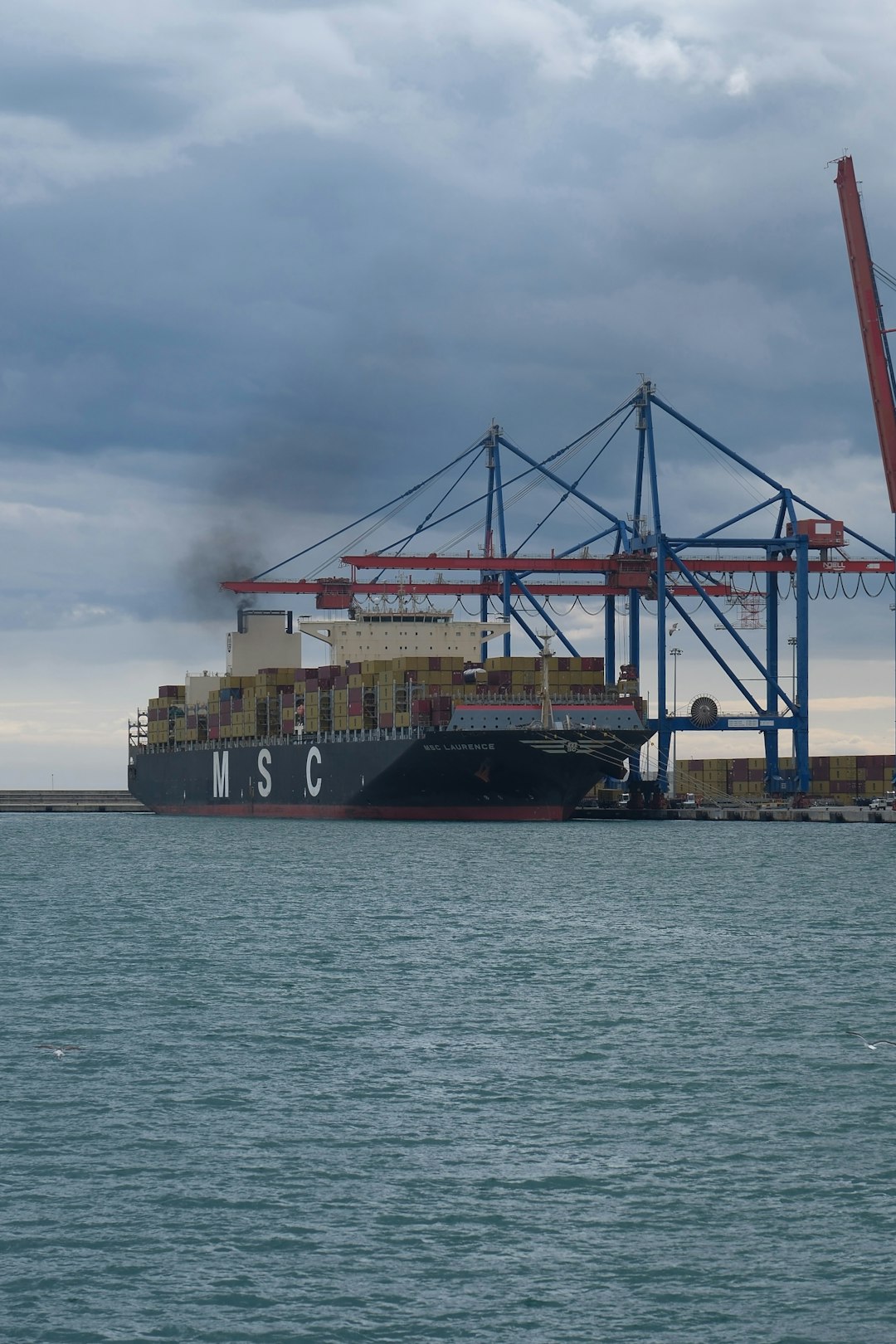
Overview of VR Headsets & Goggles Shipping Dynamics to/from Indonesia
The importation of high-tech consumer electronics, specifically Virtual Reality (VR) headsets and goggles (classified under HS Code prefix 8528.52), into Indonesia requires a sophisticated understanding of both international maritime logistics and local regulatory compliance. As Indonesia continues to modernize its digital economy, the demand for immersive technology has surged, making the Port of Tanjung Perak in Surabaya a critical gateway for distribution in East Java and beyond.
Regulatory Landscape and HS Code Compliance
Importers must be aware that electronic goods are subject to strict oversight under Indonesian trade regulations. HS Code 8528.52 typically covers monitors capable of directly connecting to an automatic data processing machine, which is the standard classification for most modern VR headsets. Compliance with the Indonesia National Single Window (INSW) is mandatory, and importers must ensure they hold a valid Business Identification Number (NIB) and the appropriate import license (API-U or API-P).
Key Import Requirements
- SNI Certification: Many electronic devices require Indonesian National Standard (SNI) certification to ensure safety and quality standards.
- SDPPI Approval: Since VR headsets often incorporate wireless features (Bluetooth/Wi-Fi), telecommunications equipment certification from SDPPI is frequently required.
- Documentation: A complete set of documents including a Proforma Invoice, Packing List, and Certificate of Origin is essential for customs clearance.
In-Depth Analysis of COSCO / Evergreen & Container Capacity
COSCO and Evergreen remain dominant players in the intra-Asia trade lanes, providing robust connectivity between major manufacturing hubs in China and the Indonesian archipelago.
Carrier Reliability and Service Loops
Both COSCO and Evergreen operate dedicated loops that link major Northeast Asian ports directly to the Port of Tanjung Perak (Surabaya). These services are designed to provide high-frequency, reliable transit times, which is critical for the high-value, time-sensitive nature of consumer electronics.
Capacity Management Strategies
In 2026, carriers have been employing "capacity discipline" to manage fluctuating demand. By adjusting vessel deployment and blanking sailings during off-peak periods, COSCO and Evergreen maintain stable service levels, though shippers should expect tighter slot availability during the early peak season.
Ocean Freight Rates & Cost Optimization for HS Code 8528.52
Freight rates for electronics are influenced by both global fuel trends and regional capacity constraints. While exact rates fluctuate weekly based on bunker adjustment factors (BAF) and general rate increases (GRI), shippers can optimize costs through strategic planning.
| Metric | Current Trend (2026) | Impact on Electronics |
|---|---|---|
| Rate Volatility | Moderate to High | Requires 3-4 week booking lead time |
| Peak Season Surcharges | Early Implementation | Higher costs for Q3/Q4 inventory |
| Duty/Tax (CIF Basis) | 11% VAT + Applicable Duty | Calculated on CIF value |
Cost Optimization Strategies
- CIF Valuation Accuracy: Ensure freight and insurance costs are accurately declared to prevent customs reassessments.
- Consolidation: For smaller shipments of VR goggles, consider LCL (Less than Container Load) services to optimize space and reduce per-unit shipping costs.
Port Container Tracking & Congestion at Port of Tanjung Perak (Surabaya)
The Port of Tanjung Perak is a vital logistics hub, but like many major ports in Southeast Asia, it is subject to varying levels of congestion.
Current Congestion Metrics
As of mid-2026, average vessel wait times at the Port of Tanjung Perak have been reported at approximately 1.0 to 1.8 days. While this is relatively stable compared to global extremes, shippers should monitor "long-tail" delays caused by container buildup or labor fluctuations.
Tracking and Visibility
Utilizing digital tracking tools provided by carriers like COSCO or third-party visibility platforms is essential. Proactive monitoring allows logistics managers to anticipate delays and adjust inland transportation schedules from the port to the final warehouse in Surabaya or beyond.
Global Logistics Optimization & Supply Chain Strategies
Mitigating Supply Chain Risks
- Diversified Routing: Maintain flexibility by having backup carriers or alternative transshipment hubs in Singapore or Port Klang.
- Early Inventory Planning: With peak seasons starting earlier in 2026, initiate purchase orders and shipping bookings at least 6 weeks in advance to secure capacity.
Executive Summary & Future Outlook
The shipping landscape for VR headsets into Indonesia is characterized by a high-tech regulatory environment and a dynamic ocean freight market. While the Port of Tanjung Perak remains efficient, the complexity of importing electronics—ranging from SNI/SDPPI certifications to strict customs valuation—demands rigorous preparation.
Key Takeaways
- Compliance First: Always verify HS Code 8528.52 requirements via the INSW portal before shipment.
- Monitor Rates: Watch for GRI announcements from COSCO and Evergreen as peak season demand tightens capacity.
- Operational Resilience: Use local expertise to navigate customs and avoid unnecessary port storage fees.
Sources & References:
Indonesia National Single Window (INSW) | Directorate General of Customs and Excise (Indonesia) | Freightos Baltic Index (Market Trends) | COSCO Shipping Lines
- Shipping Pneumatic Air Cylinders to the Port of Valencia, Spain
- Shipping Semiconductor Microchips (HS 854231) to the Port of Montreal
- Shipping Tomato Paste Cans (HS 200290) to the Port of Gothenburg, Sweden
- Shipping SPC Vinyl Click Flooring to the Port of Antwerp-Bruges
- Shipping True Wireless Earbuds (HS 8517.62) to the Port of Alexandria, Egypt
- Shipping Semiconductor Microchips (HS 854231) to the Port of Sines, Portugal
- Shipping Centrifugal Water Pumps to the Port of San Antonio, Chile
- Shipping Digital Signage Monitors to the Port of Trieste, Italy
- Shipping Printed Circuit Boards (PCB) to Egypt via Port of Said
- Optimizing Logistics for Solid State Drives (SSD) Imports to the Port of Chittagong, Bangladesh