
 395 Visitors
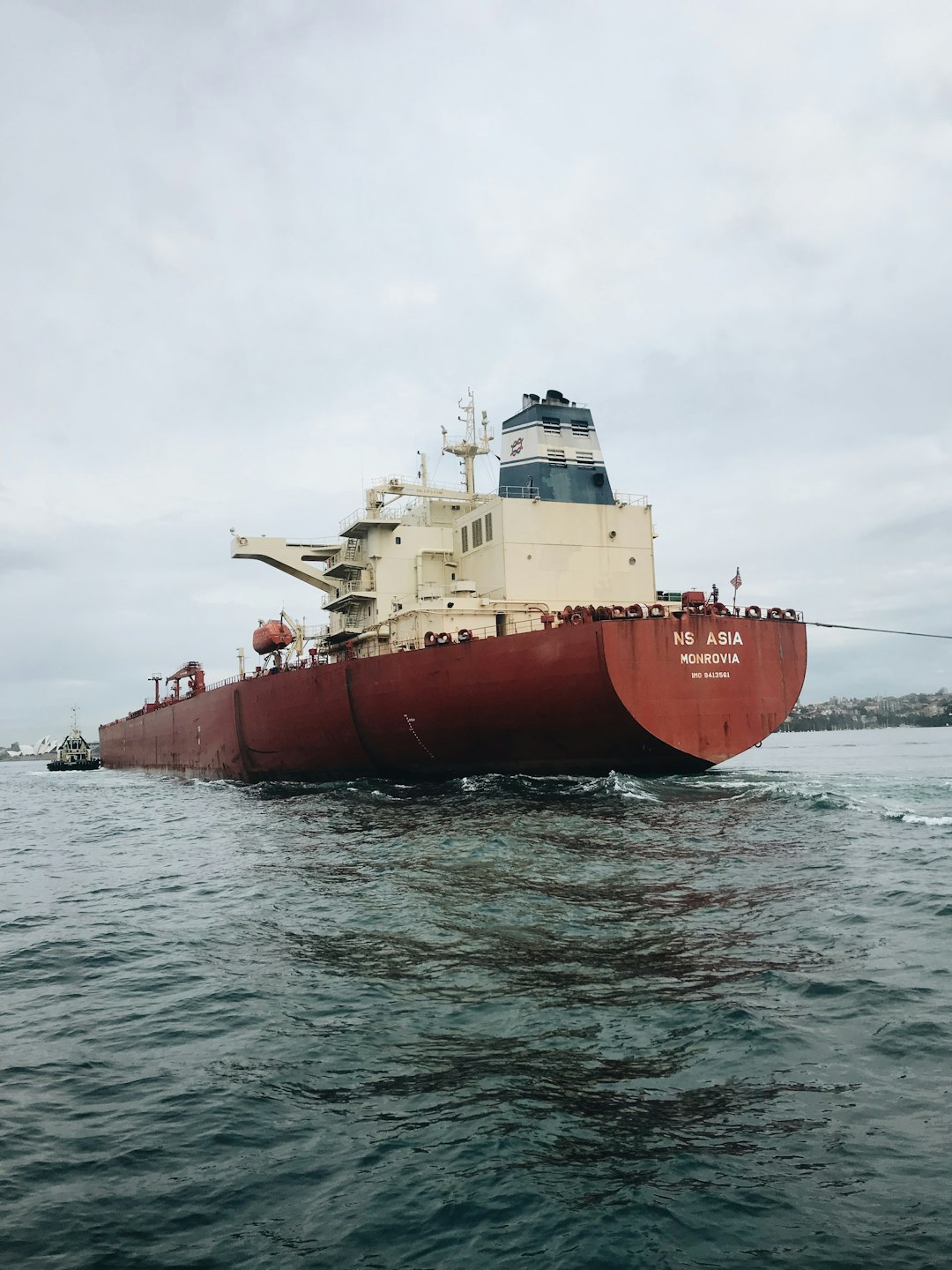
Overview of Waterproof Bluetooth Speaker Shipping Dynamics to the United Kingdom
Market Classification and HS Code Context
Waterproof Bluetooth speakers are classified under the Harmonized System (HS) code 8518.21, which specifically covers "Single loudspeakers, mounted in their enclosures." As consumer electronics, these items require strict adherence to UK safety standards, including the mandatory UKCA marking and compliance with the Electrical Equipment (Safety) Regulations 2016. Proper classification is essential to avoid customs delays and ensure accurate duty assessment upon arrival at UK ports.
Supply Chain Sensitivity
The consumer electronics market is highly sensitive to "price erosion," meaning that transit speed and supply chain reliability are critical. With the UK market showing sustained demand for portable audio devices, importers must balance ocean freight costs with the need for timely inventory replenishment to avoid stockouts during peak retail periods.
In-Depth Analysis of CMA CGM / MSC & Container Capacity
Carrier Service Reliability
Both CMA CGM and MSC maintain robust service loops connecting major Asian manufacturing hubs to the Port of Southampton. As of June 2026, these carriers are actively managing capacity through strategic vessel deployment on the Asia–Europe trade lanes. Shippers should note that while these lines offer high-frequency sailings, they are also the primary entities implementing Peak Season Surcharges (PSS) to manage the early onset of high-volume demand.
Capacity Management and Blank Sailings
Carriers are currently navigating a complex environment characterized by early peak season demand. While capacity is generally available, the industry is seeing fewer blank sailings compared to previous months as carriers prioritize space for high-demand cargo. Importers are encouraged to book space at least 3–4 weeks in advance to secure allocation on preferred sailings.
Ocean Freight Rates & Cost Optimization for HS Code 8518.21
Current Freight Rate Environment
As of June 2026, ocean freight rates on Asia–Europe routes are experiencing upward pressure. The market is currently absorbing a "stack" of surcharges, including Peak Season Surcharges (PSS) and Emergency Fuel Surcharges (EFS) related to ongoing geopolitical volatility and the necessity of rerouting vessels.
| Cost Component | Estimated Impact (per TEU) | Notes |
|---|---|---|
| Base Ocean Freight | Market Variable | Subject to spot market fluctuations. |
| Peak Season Surcharge (PSS) | $500 – $800 | Effective June 2026 for Asia–North Europe. |
| Emergency Fuel Surcharge (EFS) | $300 – $600 | Linked to bunker cost volatility. |
| Terminal Handling Charges (THC) | $100 – $500 | Standard port-specific handling fee. |
Optimization Strategies
- Consolidation: Utilize LCL (Less than Container Load) consolidation if volume does not justify a full FEU to reduce per-unit shipping costs.
- Contract Negotiation: Leverage long-term volume commitments with CMA CGM or MSC to mitigate the impact of spot-market PSS spikes.
- Advance Booking: Secure space early to avoid the "last-minute" premium pricing often associated with tight capacity.
Port Container Tracking & Congestion at Port of Southampton
Current Operational Status
The Port of Southampton remains a critical gateway for the UK. While the port generally maintains efficient operations, it is not immune to the broader European trend of high yard density. As of June 2026, terminal operators are managing high volumes, and shippers should monitor "Live Status" updates via DP World Southampton to track vessel berthing and container availability.
Mitigating Congestion Delays
Global Logistics Optimization & Supply Chain Strategies
Regulatory Compliance
For Bluetooth speakers, ensure that your supply chain includes rigorous quality control (QC) audits at the factory level in Asia. Non-compliant goods (e.g., missing UKCA marks) face high risks of rejection at the UK border, which incurs massive costs in storage, re-exportation, or destruction.
Inventory and Warehousing
Consider utilizing bonded warehousing in the UK to defer duty and VAT payments until the goods are actually sold or moved into the domestic market. This strategy provides essential cash flow flexibility, especially for high-value consumer electronics that may have variable sales cycles.
Executive Summary & Future Outlook
Key Takeaways
- Market Trends: The 2026 peak season has arrived earlier than anticipated, driving up spot rates and necessitating proactive capacity management.
- Carrier Strategy: CMA CGM and MSC are the primary carriers for this route; expect continued use of PSS and EFS throughout the summer months.
- Compliance: Strict adherence to UKCA and safety regulations is non-negotiable for electronics imports.
Sources & References
Data and insights provided in this report are based on current industry trends as of June 2026, including reports from Drewry Maritime Research, CMA CGM Port Schedules, and UK Government Customs Guidance.
- Shipping Pneumatic Air Cylinders to the Port of Valencia, Spain
- Shipping Semiconductor Microchips (HS 854231) to the Port of Montreal
- Shipping Tomato Paste Cans (HS 200290) to the Port of Gothenburg, Sweden
- Shipping SPC Vinyl Click Flooring to the Port of Antwerp-Bruges
- Shipping True Wireless Earbuds (HS 8517.62) to the Port of Alexandria, Egypt
- Shipping Semiconductor Microchips (HS 854231) to the Port of Sines, Portugal
- Shipping Centrifugal Water Pumps to the Port of San Antonio, Chile
- Shipping Digital Signage Monitors to the Port of Trieste, Italy
- Shipping Printed Circuit Boards (PCB) to Egypt via Port of Said
- Optimizing Logistics for Solid State Drives (SSD) Imports to the Port of Chittagong, Bangladesh