
 477 Visitors
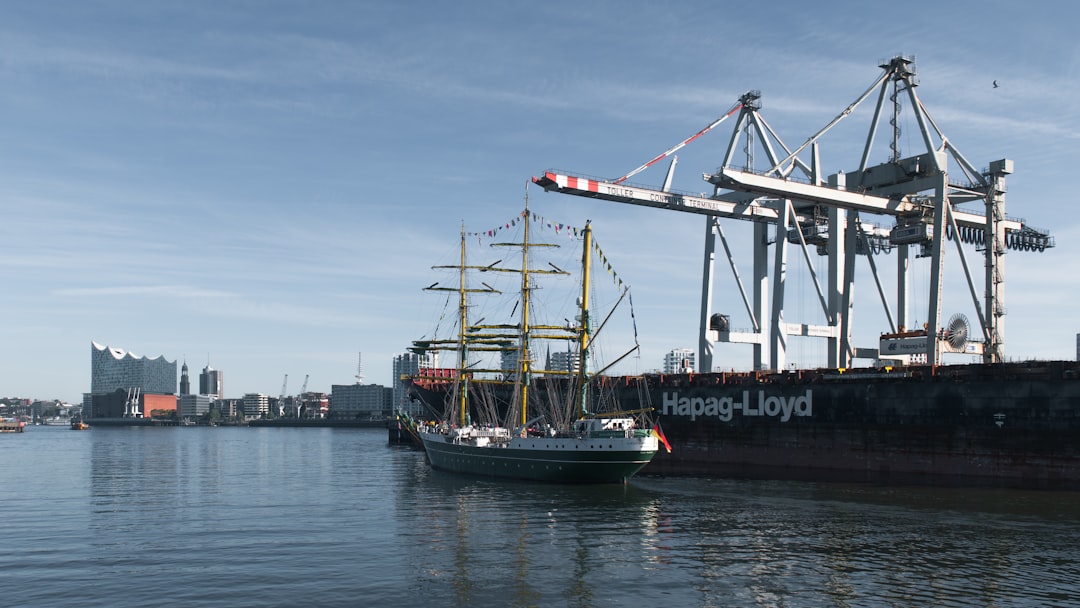
Overview of Wheat Gluten Pellets Shipping Dynamics to/from Colombia
Market Demand and Product Characteristics
Wheat gluten pellets (HS Code 1109.00) are a high-protein commodity primarily utilized in the animal feed industry, including poultry, swine, and cattle sectors. Given Colombia's growing population and expanding agricultural processing needs, the demand for high-quality feed ingredients remains robust. These pellets are typically produced by binding wheat residues with agents like molasses or fats, requiring careful handling to prevent self-heating and moisture-related degradation during transit.
Regulatory Landscape for Imports
Importing into Colombia requires strict adherence to regulations set by the National Directorate of Taxes and Customs (DIAN) and the Colombian Agricultural Institute (ICA). As of 2026, all importers must be registered in the Single Tax Registry (RUT) and utilize the VUCE (Single Window for Foreign Trade) platform. Because wheat gluten is a food/feed-related product, compliance with INVIMA (for health-related standards) is often mandatory. Failure to provide accurate 10-digit HS codes or missing documentation can lead to significant customs delays or shipment rejection.
In-Depth Analysis of Sealand / CMA CGM & Container Capacity
Carrier Capabilities and Route Integration
CMA CGM, often operating in conjunction with its subsidiary/partner networks like Sealand, maintains a strong presence in the Caribbean, making the Port of Cartagena a primary hub for their Americas XL and Pacific East Coast services. These carriers provide reliable, high-frequency liner services that connect major global production centers to Colombia’s Caribbean coast.
Equipment and Capacity Management
For wheat gluten pellets, which are sensitive to temperature and humidity, carriers typically offer 20' and 40' Dry Standard or High Cube containers. Shippers are advised to coordinate closely with CMA CGM’s local offices to ensure the availability of food-grade containers. Given the current global logistics environment, booking container space at least 4-6 weeks in advance is recommended to mitigate the risk of equipment shortages.
Ocean Freight Rates & Cost Optimization for HS Code 1109.00
Understanding Cost Drivers
Freight rates for shipping to Cartagena are influenced by fuel surcharges (BAF), currency adjustment factors, and port congestion surcharges. While specific spot rates fluctuate based on the origin port, importers should account for the standard 19% VAT and applicable customs duties, which may be reduced to 0% if the shipment qualifies under the US-Colombia Trade Promotion Agreement or other free trade pacts.
| Cost Component | Impact on Total Landed Cost | Optimization Strategy |
|---|---|---|
| Ocean Freight | High | Book via long-term contracts; avoid spot market volatility. |
| Customs Duties | Moderate | Verify FTA eligibility to leverage 0% duty rates. |
| Port Handling/Demurrage | Variable | Ensure "Advanced Declaration" is filed 48 hours prior to arrival. |
Port Container Tracking & Congestion at Port of Cartagena
Current Congestion Status
The Port of Cartagena is a sophisticated gateway for South American trade, featuring state-of-the-art gantry cranes and efficient container terminals. While some regional ports in South America have faced elevated wait times, Cartagena generally maintains better throughput efficiency than its Pacific counterparts like Buenaventura. However, shippers should monitor real-time port congestion data, as vessel bunching and yard utilization can cause intermittent delays.
Visibility and Tracking
To maintain supply chain integrity, it is critical to utilize carrier-provided tracking tools (such as the CMA CGM "My Customer Service" portal). Integrating these with third-party logistics visibility platforms can provide proactive alerts regarding vessel ETAs, allowing for better coordination with inland trucking services in Colombia.
Global Logistics Optimization & Supply Chain Strategies
Mitigation of Operational Risks
- Advanced Declaration: Per Decree 659 of 2024, ensure all customs declarations are filed at least 48 hours before vessel arrival to avoid legal abandonment or heavy fines.
- Documentation Accuracy: Ensure the commercial invoice, packing list, and certificate of origin are error-free. Missing or incorrect data is the primary cause of 40% of customs delays in Colombia.
- Inventory Buffering: Given the potential for inland transport disruptions due to Colombia's mountainous terrain, maintain a safety stock of 2-3 weeks of inventory.
Executive Summary & Future Outlook
Key Takeaways
Shipping wheat gluten pellets to the Port of Cartagena is a viable and efficient operation provided that the importer maintains strict compliance with DIAN and ICA regulations. The partnership with established carriers like CMA CGM ensures reliable transit, but the onus remains on the shipper to manage documentation and customs pre-clearance effectively.
Future Outlook
As Colombia continues to modernize its port infrastructure and digitalize customs through the MUISCA platform, the efficiency of imports is expected to improve. Shippers who adopt AI-driven tracking and maintain strong relationships with local customs brokers will be best positioned to navigate the complexities of the 2026 global logistics landscape.
Sources & References
- Shipping Pneumatic Air Cylinders to the Port of Valencia, Spain
- Shipping Semiconductor Microchips (HS 854231) to the Port of Montreal
- Shipping Tomato Paste Cans (HS 200290) to the Port of Gothenburg, Sweden
- Shipping SPC Vinyl Click Flooring to the Port of Antwerp-Bruges
- Shipping True Wireless Earbuds (HS 8517.62) to the Port of Alexandria, Egypt
- Shipping Semiconductor Microchips (HS 854231) to the Port of Sines, Portugal
- Shipping Centrifugal Water Pumps to the Port of San Antonio, Chile
- Shipping Digital Signage Monitors to the Port of Trieste, Italy
- Shipping Printed Circuit Boards (PCB) to Egypt via Port of Said
- Optimizing Logistics for Solid State Drives (SSD) Imports to the Port of Chittagong, Bangladesh