
 444 Visitors
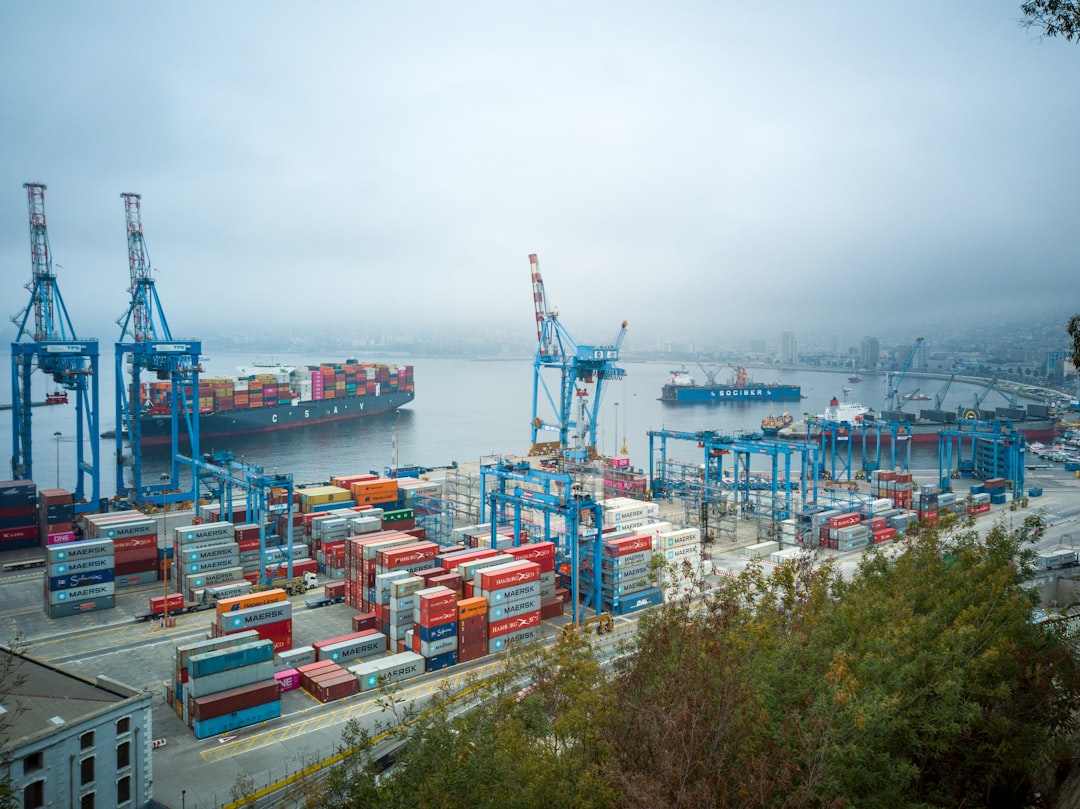
Overview of Makeup Brush Sets Shipping Dynamics to/from Nigeria
The importation of cosmetic accessories, specifically makeup brush sets classified under HS Code 960330, into Nigeria requires a precise understanding of both international maritime logistics and local regulatory compliance. As the beauty industry in Nigeria continues to expand, importers must navigate complex customs procedures overseen by the National Agency for Food and Drug Administration and Control (NAFDAC) and the Nigeria Customs Service (NCS).
Regulatory Compliance and NAFDAC Requirements
All cosmetic products, including application tools, must adhere to strict registration protocols. Importers are required to register their products via the NAFDAC Automated Product Administration and Monitoring System (NAPAMS). Failure to secure the necessary NAFDAC certification can lead to the seizure of goods, heavy fines, and potential prosecution.
Documentation Essentials
To ensure smooth clearance, importers must maintain consistency across all shipping documents, including the Form M, Pre-Arrival Assessment Report (PAAR), and the Single Goods Declaration (SGD). Discrepancies in product descriptions or values are primary triggers for customs queries and extended dwell times.
In-Depth Analysis of Maersk, Grimaldi, & MSC Container Capacity
Major carriers including Maersk, Grimaldi, and MSC remain the backbone of the West African maritime corridor. Each line offers distinct advantages for shippers moving containerized cargo into the Port of Lagos.
Carrier-Specific Operational Focus
- MSC: Currently expanding its footprint through a 45-year sub-concession agreement at Snake Island Port, aiming to enhance container handling capacity by 2028.
- Maersk: Provides robust inland connectivity and digital booking solutions, offering visibility into vessel space and empty container availability.
- Grimaldi: Maintains a strong focus on Roll-on/Roll-off (RoRo) and containerized cargo, particularly through the Port and Terminal Multiservices Limited (PTML).
Capacity and Service Reliability
While these carriers maintain regular schedules, the ongoing geopolitical instability in the Middle East has forced many vessels to reroute around the Cape of Good Hope. This has resulted in unpredictable arrival schedules and tighter capacity, necessitating early booking and proactive space management.
Ocean Freight Rates & Cost Optimization for HS Code 960330
Freight rates for shipments to Nigeria are currently influenced by global supply chain volatility and local port surcharges. While exact rates fluctuate based on origin and seasonal demand, importers should account for various surcharges.
| Cost Component | Impact on Landed Cost | Optimization Strategy |
|---|---|---|
| Ocean Freight (Base) | High | Book 4-6 weeks in advance to secure competitive rates. |
| Peak Season Surcharges | Moderate | Monitor carrier announcements to avoid last-minute spikes. |
| Demurrage & Detention | Very High | Ensure all NAFDAC/Customs docs are ready before vessel arrival. |
Port Container Tracking & Congestion at Port of Lagos (Apapa/Tin Can)
The Port of Lagos (Apapa and Tin Can Island) has recently been recognized by the World Bank as one of the world's most improved container ports. However, operational challenges persist.
Current Congestion Status
As of July 2026, the ports are experiencing medium congestion levels, with median waiting times reported at approximately 1.17 days. Despite the implementation of the 'Ètò' electronic call-up system, truck bottlenecks and illegal checkpoints remain a concern for cargo evacuation.
Infrastructure Modernization
A major upgrade project for the Apapa and Tin Can port complexes is scheduled to commence in Q2 2026, supported by UK-backed financing. This 48-month project aims to dredge channels to accommodate larger vessels and significantly improve throughput efficiency.
Global Logistics Optimization & Supply Chain Strategies
To mitigate the risks associated with Nigerian port operations, supply chain managers should adopt a multi-layered strategy.
Strategic Recommendations
- Diversify Gateways: Consider utilizing newer facilities like Lekki Deep Sea Port or eastern ports like Onne to bypass legacy congestion in the Lagos metropolitan cluster.
- Digital Visibility: Utilize real-time tracking tools to monitor vessel status and anticipate potential delays at outer anchorage.
- Collaborative Clearing: Partner with experienced, licensed customs agents who have a proven track record of navigating NAFDAC and NCS protocols at the specific terminal of discharge.
Executive Summary & Future Outlook
Sources & References
World Bank Container Port Performance Index (2025) | NAFDAC Regulatory Guidelines | Punch Newspapers: Port Reform Updates (2026) | Maersk Nigeria Logistics | MSC Nigeria Services
- Shipping Pneumatic Air Cylinders to the Port of Valencia, Spain
- Shipping Semiconductor Microchips (HS 854231) to the Port of Montreal
- Shipping Tomato Paste Cans (HS 200290) to the Port of Gothenburg, Sweden
- Shipping SPC Vinyl Click Flooring to the Port of Antwerp-Bruges
- Shipping True Wireless Earbuds (HS 8517.62) to the Port of Alexandria, Egypt
- Shipping Semiconductor Microchips (HS 854231) to the Port of Sines, Portugal
- Shipping Centrifugal Water Pumps to the Port of San Antonio, Chile
- Shipping Digital Signage Monitors to the Port of Trieste, Italy
- Shipping Printed Circuit Boards (PCB) to Egypt via Port of Said
- Optimizing Logistics for Solid State Drives (SSD) Imports to the Port of Chittagong, Bangladesh