
 519 Visitors
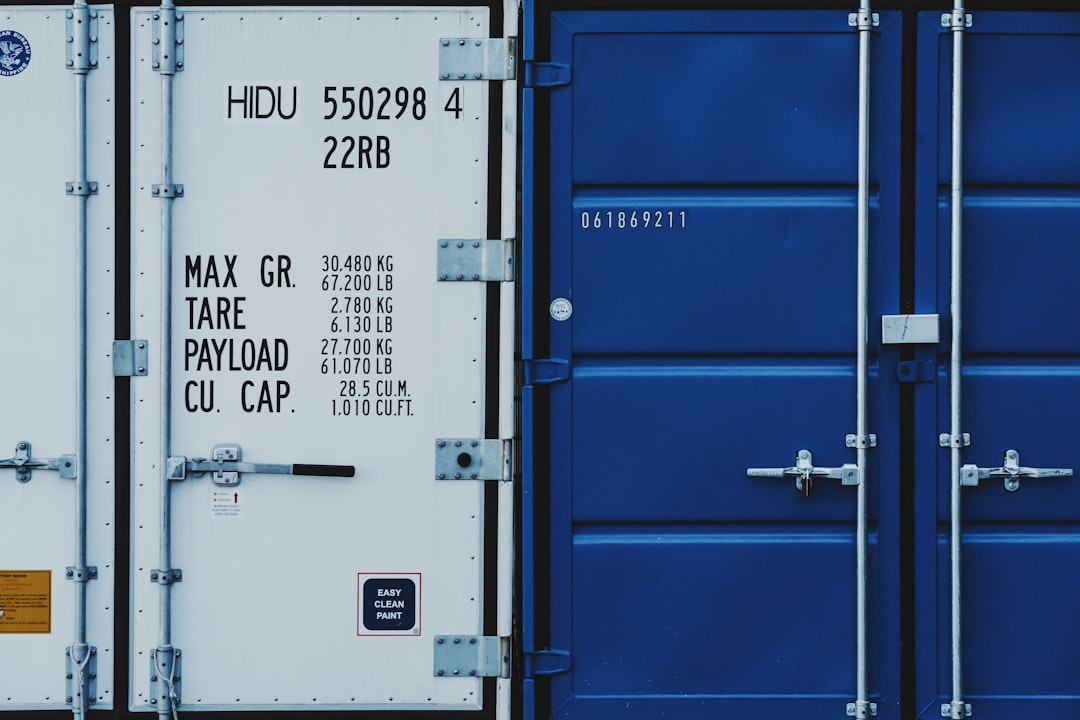
1. Overview of Insulin Glargine Injection Pens Shipping Dynamics to/from UAE
Shipping pharmaceutical products like Insulin Glargine (HS Code 3004.31) into the United Arab Emirates requires a sophisticated, end-to-end cold chain strategy. As a critical life-saving medication, Insulin Glargine must be maintained strictly within the 2°C to 8°C temperature range to preserve its molecular integrity and therapeutic efficacy.
The Criticality of Cold Chain Integrity
Insulin is highly sensitive to temperature excursions. Exposure to temperatures above 30°C or freezing conditions (below 0°C) can denature the protein chains, rendering the medication ineffective. In the UAE, where ambient temperatures can be extreme, the logistics chain must account for both the "main leg" of transit and the "last mile" to ensure zero deviation from validated temperature parameters.
Regulatory Compliance and Documentation
Importing pharmaceuticals into the UAE is governed by strict Federal Customs Authority regulations. Shippers must provide a commercial invoice, a detailed packing list, a certificate of origin, and, crucially, an import permit from the UAE Ministry of Health for restricted medical goods. Compliance with Good Distribution Practice (GDP) guidelines is mandatory for all logistics partners involved in the handling of these goods.
2. In-Depth Analysis of Shipping Lines & Container Capacity
The 2026 geopolitical climate in the Middle East has fundamentally altered how major shipping lines operate in the Gulf. While carriers like Maersk, MSC, and CMA CGM remain the primary conduits for global trade, the "Strait of Hormuz" crisis has forced a shift in operational strategy.
Carrier Response to Regional Instability
Following the March 2026 escalation, many major lines implemented temporary booking suspensions or restricted their services to specific ports to avoid the high-risk Strait of Hormuz. Shippers are now frequently utilizing alternative gateways such as Khalifa Port (Abu Dhabi) or overland trucking corridors from Oman and Saudi Arabia to bypass maritime bottlenecks.
Reefer Container Availability
Refrigerated (reefer) container capacity for pharmaceuticals has tightened significantly. Carriers are prioritizing essential medical supplies, but space remains volatile. It is highly recommended to secure "priority booking" status with carriers and verify that the shipping line can guarantee power supply and real-time temperature monitoring throughout the entire voyage.
3. Ocean Freight Rates & Cost Optimization for HS Code 3004.31
Freight rates for the Middle East corridor have experienced significant volatility in 2026 due to security surcharges and the necessity of longer, alternative routing. Below is a summary of the current cost environment for pharmaceutical-grade reefer shipments.
| Metric | Historical Trend (Pre-2026) | Current Status (Q2 2026) |
|---|---|---|
| Avg. FEU Rate (Asia to Jebel Ali) | $1,800 - $2,200 | $4,000+ (Including Surcharges) |
| Reefer Surcharges | Standard | High (Due to equipment scarcity) |
| Transit Reliability | High | Low (Subject to security delays) |
Cost Optimization Strategies
- Leverage Sea-Air Corridors: Utilize the Jebel Ali to Al Maktoum Airport sea-air link for urgent shipments to balance cost and speed.
- Index-Linked Contracts: Engage in index-linked freight contracts to hedge against sudden spot-rate spikes.
- Consolidation: Consolidate smaller pharmaceutical shipments to maximize reefer container utilization and reduce per-unit logistics costs.
4. Port Container Tracking & Congestion at Port of Jebel Ali (Dubai)
The Port of Jebel Ali, while a world-class facility, has faced significant operational pressure in 2026. As of mid-June 2026, the port has experienced high congestion levels, with median vessel waiting times reaching approximately 6.8 days.
Monitoring Real-Time Congestion
Supply chain managers must utilize AI-driven tracking tools to monitor "long-tail" congestion risks. Because reefer containers require immediate plug-in upon discharge, any delay in terminal processing significantly increases the risk of temperature excursions if the container's power supply is interrupted.
Mitigation of Terminal Delays
5. Global Logistics Optimization & Supply Chain Strategies
In the current environment, "static shipping"—the practice of booking a container and assuming it will arrive on time—is no longer viable. A resilient supply chain for Insulin Glargine requires a dynamic, data-backed approach.
Digital Visibility and IoT
Deploy IoT-enabled temperature monitoring devices (e.g., TempTale GEO X) inside every container. This provides real-time visibility into the internal temperature, humidity, and location of the insulin pens, allowing for immediate intervention if a deviation occurs.
Diversification of Routing
Do not rely solely on the Jebel Ali gateway. Establish contingency plans that include routing through Khalifa Port or utilizing the "Land Bridge" from Saudi Arabia. Maintaining a list of pre-vetted, GDP-certified trucking partners in the UAE is critical for the final leg of the journey.
6. Executive Summary & Future Outlook
The pharmaceutical logistics landscape in the UAE is currently defined by high security-led volatility and the need for extreme precision. While the Strait of Hormuz crisis has created unprecedented challenges, the UAE’s robust infrastructure and the industry's shift toward digital, scenario-based planning provide a path forward.
Key Takeaways
- Prioritize Visibility: Real-time IoT monitoring is non-negotiable for Insulin Glargine shipments.
- Plan for Redundancy: Always have an alternative port or transport route identified before booking.
- Regulatory Vigilance: Ensure all documentation is pre-verified by local UAE customs brokers to avoid terminal dwell time.
Sources & References
Portcast: Live Port Congestion Data (June 2026) | DHL Global Forwarding: 2026 Ocean Freight Market Outlook | UAE Ministry of Foreign Affairs: Import Regulations | Pharma.Aero: Life Science Logistics Briefings
- Shipping Pneumatic Air Cylinders to the Port of Valencia, Spain
- Shipping Semiconductor Microchips (HS 854231) to the Port of Montreal
- Shipping Tomato Paste Cans (HS 200290) to the Port of Gothenburg, Sweden
- Shipping SPC Vinyl Click Flooring to the Port of Antwerp-Bruges
- Shipping True Wireless Earbuds (HS 8517.62) to the Port of Alexandria, Egypt
- Shipping Semiconductor Microchips (HS 854231) to the Port of Sines, Portugal
- Shipping Centrifugal Water Pumps to the Port of San Antonio, Chile
- Shipping Digital Signage Monitors to the Port of Trieste, Italy
- Shipping Printed Circuit Boards (PCB) to Egypt via Port of Said
- Optimizing Logistics for Solid State Drives (SSD) Imports to the Port of Chittagong, Bangladesh