
 479 Visitors
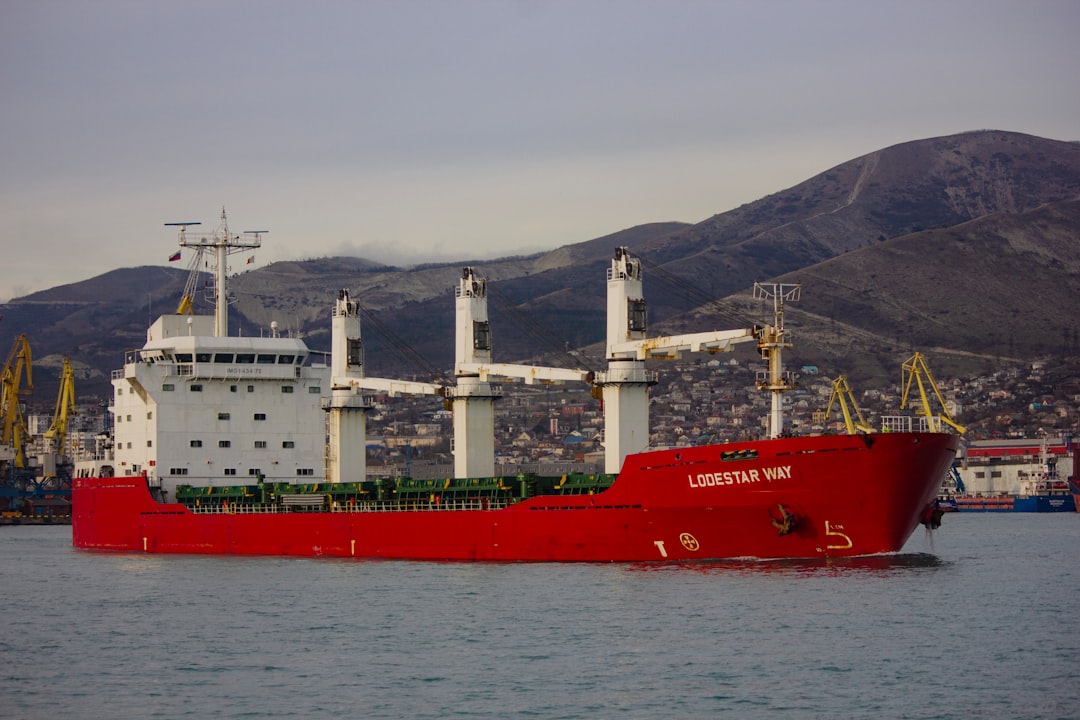
1. Overview of Cordless Brushless Impact Wrenches Shipping Dynamics to Kenya
The importation of cordless brushless impact wrenches, classified under HS Code 8467.29, into Kenya is a significant trade activity driven by the country's growing construction and automotive maintenance sectors. As these tools are electromechanical devices with self-contained electric motors, they require specific handling and compliance documentation to ensure smooth entry through the Port of Mombasa.
Market Demand and Trade Flow
Kenya remains a primary hub for East African trade. The demand for high-quality, battery-powered tools has surged as local industries shift toward more efficient, portable equipment. Most of these imports originate from manufacturing hubs in China and Southeast Asia, necessitating robust ocean freight strategies to navigate the long-haul transit to the Port of Mombasa.
Regulatory Compliance Essentials
Importers must adhere to the Pre-Export Verification of Conformity (PVoC) program managed by the Kenya Bureau of Standards (KEBS). Failure to obtain a Certificate of Conformity (CoC) before shipment can lead to costly destination inspections and significant clearance delays at the port.
2. In-Depth Analysis of PIL / COSCO / Maersk & Container Capacity
Major shipping lines including Maersk, COSCO, and PIL dominate the trade lane from Asia to Mombasa. These carriers provide critical connectivity, though capacity management remains a central challenge in 2026.
Carrier Operational Strategies
Carriers are currently utilizing "capacity discipline" to manage fluctuating demand. Maersk, in particular, has been proactive in adjusting inland haulage and fuel surcharges to reflect the operational realities of the Northern Corridor. Shippers should expect these lines to prioritize high-yield cargo and implement Peak Season Surcharges (PSS) as the market enters the Q3 demand cycle.
Fleet and Route Reliability
While these carriers offer direct services, the reliability of transit times is often impacted by port congestion at both origin and destination. It is highly recommended to verify current vessel schedules directly through carrier portals or integrated tracking platforms to mitigate the risk of "rolled" cargo.
3. Ocean Freight Rates & Cost Optimization for HS Code 8467.29
Freight rates to Mombasa are currently volatile, influenced by global fuel price adjustments and regional demand spikes. Below is a summary of the cost factors impacting your shipments.
| Cost Component | Impact on 8467.29 Imports | Strategic Note |
|---|---|---|
| Ocean Freight (Spot) | High Volatility | Subject to GRI and PSS adjustments. |
| Inland Haulage (Mombasa-Nairobi) | Fixed/Regulated | Adjusted periodically by KRC/Carriers. |
| PVoC/Inspection Fees | Mandatory | Essential for avoiding 0.6% destination inspection fees. |
Optimizing Your Logistics Budget
- Consolidation: Utilize LCL (Less than Container Load) if volume is low, but transition to FCL (Full Container Load) as soon as volume permits to avoid handling surcharges.
- Advance Booking: Secure space at least 3-4 weeks in advance to avoid the high costs of last-minute spot market bookings.
4. Port Container Tracking & Congestion at Port of Mombasa
The Port of Mombasa (KEMBA) is currently experiencing moderate to high operational pressure. As of late June 2026, average vessel waiting times are approximately 5.73 days, driven by yard utilization and empty container imbalances.
Real-Time Tracking Visibility
Supply chain managers should leverage digital tracking tools to monitor container status from discharge to gate-out. Real-time visibility is critical to avoiding demurrage and detention charges, which accrue rapidly when cargo is held in the yard due to documentation errors or customs holds.
Managing Congestion Risks
5. Global Logistics Optimization & Supply Chain Strategies
Optimizing the flow of cordless power tools requires a holistic view of the supply chain, from the factory floor in Asia to the final warehouse in Kenya.
Strategic Inventory Buffering
Given the unpredictability of the Northern Corridor, maintaining a 2-3 week safety stock buffer is recommended. This mitigates the impact of sudden port congestion or inland transport disruptions.
Digital Integration
Integrate your internal ERP with carrier APIs (Maersk, COSCO, PIL) to receive automated status updates. This reduces the manual labor involved in tracking and allows for faster decision-making when exceptions occur.
6. Executive Summary & Future Outlook
The trade route for cordless brushless impact wrenches to Kenya remains robust but operationally complex. Success in 2026 depends on three pillars: strict regulatory compliance (PVoC), proactive capacity management with major carriers, and real-time visibility at the Port of Mombasa.
Key Takeaways
- Ensure HS Code 8467.29 is correctly declared to avoid customs penalties.
- Monitor carrier-specific surcharges (PSS/IFS/EFS) closely as they are updated frequently.
- Factor in a 5-7 day average waiting time at Mombasa when planning your supply chain lead times.
Sources & References
Maersk Kenya Shipping Updates | Kenya Ports Authority (KPA) Shipping Movements | Portcast Global Congestion Data | Kenya Revenue Authority (KRA) Customs Guidelines
- Shipping Pneumatic Air Cylinders to the Port of Valencia, Spain
- Shipping Semiconductor Microchips (HS 854231) to the Port of Montreal
- Shipping Tomato Paste Cans (HS 200290) to the Port of Gothenburg, Sweden
- Shipping SPC Vinyl Click Flooring to the Port of Antwerp-Bruges
- Shipping True Wireless Earbuds (HS 8517.62) to the Port of Alexandria, Egypt
- Shipping Semiconductor Microchips (HS 854231) to the Port of Sines, Portugal
- Shipping Centrifugal Water Pumps to the Port of San Antonio, Chile
- Shipping Digital Signage Monitors to the Port of Trieste, Italy
- Shipping Printed Circuit Boards (PCB) to Egypt via Port of Said
- Optimizing Logistics for Solid State Drives (SSD) Imports to the Port of Chittagong, Bangladesh