
 0 Visitors
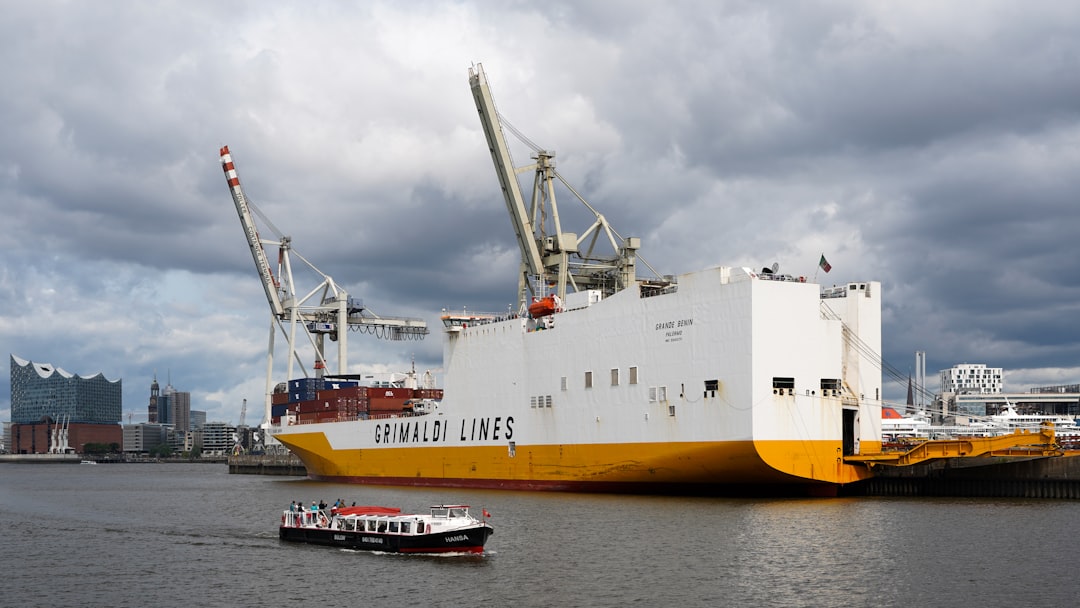
Overview of Eco-Friendly Wooden Toys Shipping Dynamics to/from Germany
The German market for sustainable products, particularly eco-friendly wooden toys (HS Code 9503.00), continues to show resilience. As consumer preference shifts toward plastic-free and sustainably sourced materials, importers must navigate a complex regulatory environment. Shipping these goods into Germany requires strict adherence to EU safety standards, including EN71 certification, and an understanding of the evolving customs landscape as of 2026.
Market Trends and Sustainability
Germany remains a primary hub for European toy distribution. The demand for "green" logistics—using carriers that support carbon-neutral initiatives—is no longer a niche requirement but a standard expectation for retailers and consumers alike.
Regulatory Compliance for Toys
Importers must ensure that all wooden toys carry the CE marking and meet rigorous safety documentation requirements. Failure to provide accurate safety data or proper labeling often results in customs delays or the destruction of goods upon arrival at the Port of Bremerhaven.
In-Depth Analysis of MSC / Maersk & Container Capacity
Major carriers like MSC and Maersk are currently managing a tightened supply-demand balance on the Asia-to-North Europe trade lane. As of June 2026, capacity management has become a critical factor for shippers, with carriers actively adjusting schedules to maintain service reliability.
Carrier Operational Dynamics
Both MSC and Maersk have implemented significant rate adjustments and peak season surcharges (PSS) to manage the surge in demand. Shippers should note that these carriers are prioritizing schedule integrity, which occasionally leads to port omissions or diversions to secondary terminals to recover transit times.
Capacity Constraints
With the peak shipping season arriving earlier than in previous years, vessel space is at a premium. It is highly recommended to secure bookings at least 4–6 weeks in advance to avoid the volatility of the spot market.
Ocean Freight Rates & Cost Optimization for HS Code 950300
Freight rates on the Asia-Europe trade lane have seen sharp increases throughout June 2026. Carriers are aggressively pushing Freight All Kinds (FAK) rates higher, and importers must factor these costs into their landed price calculations.
Current Freight Rate Trends (June 2026)
| Container Type | Estimated Rate Range (USD) | Notes |
|---|---|---|
| 20ft Dry Van | $3,000 – $3,250 | Subject to PSS and fuel surcharges |
| 40ft Dry Van / HC | $6,000 – $6,500 | Significant volatility; early booking advised |
Cost Optimization Strategies
- Consolidation: Utilize LCL (Less-than-Container-Load) services if volume does not justify a full container, though this may increase transit time.
- Incoterms: Carefully negotiate Incoterms to clearly define responsibility for terminal handling charges (THC) and inland transport costs in Germany.
- Advance Planning: Avoid last-minute spot bookings, which are currently subject to the highest PSS premiums.
Port Container Tracking & Congestion at Port of Bremerhaven
The Port of Bremerhaven is currently experiencing a "low" congestion status, with median waiting times hovering around 0.25 days. However, the wider Northern European port network remains sensitive to labor unrest and inland transport bottlenecks.
Operational Status
While Bremerhaven is performing more reliably than larger hubs like Hamburg or Rotterdam, shippers should remain vigilant regarding rail and truck availability. Disruptions in inland transport can create "hidden" congestion, where containers are cleared at the port but cannot be moved to their final destination.
Tracking and Visibility
Utilize carrier-provided digital tracking tools (e.g., Maersk’s Navigator or MSC’s online portal) to monitor real-time vessel status. Proactive monitoring of terminal gate operations is essential to prevent demurrage and detention fees.
Global Logistics Optimization & Supply Chain Strategies
The logistics landscape in 2026 demands a shift from "just-in-time" to "just-in-case" inventory management. With the removal of the €150 de minimis customs exemption in the EU, every shipment now requires meticulous documentation.
Navigating New Customs Regulations
Resilience Building
- Diversify Inland Transport: Do not rely solely on rail; maintain relationships with trucking providers to mitigate rail-specific disruptions.
- Digital Documentation: Invest in automated customs filing systems to ensure data accuracy, as incorrect declarations are a leading cause of border delays.
Executive Summary & Future Outlook
Shipping eco-friendly wooden toys to Germany in 2026 requires a balance of cost management and regulatory agility. While ocean freight rates remain elevated due to early peak season demand, the Port of Bremerhaven offers a relatively stable entry point compared to other major European gateways.
Key Takeaways
- Rates: Expect continued upward pressure on rates; secure space early.
- Regulations: The end of the €150 de minimis threshold is a structural change; update your landed cost models immediately.
- Operations: Monitor inland transport capacity as closely as you monitor port congestion.
Sources & References
Maersk Rate Announcements & Tariff Lookup | MSC Customer Advisories | Port Congestion Data (Portcast) | German Customs (Zoll) Regulations | Seatrade Maritime News (Peak Season Trends)
- Shipping Pneumatic Air Cylinders to the Port of Valencia, Spain
- Shipping Semiconductor Microchips (HS 854231) to the Port of Montreal
- Shipping Tomato Paste Cans (HS 200290) to the Port of Gothenburg, Sweden
- Shipping SPC Vinyl Click Flooring to the Port of Antwerp-Bruges
- Shipping True Wireless Earbuds (HS 8517.62) to the Port of Alexandria, Egypt
- Shipping Semiconductor Microchips (HS 854231) to the Port of Sines, Portugal
- Shipping Centrifugal Water Pumps to the Port of San Antonio, Chile
- Shipping Digital Signage Monitors to the Port of Trieste, Italy
- Shipping Printed Circuit Boards (PCB) to Egypt via Port of Said
- Optimizing Logistics for Solid State Drives (SSD) Imports to the Port of Chittagong, Bangladesh