
 0 Visitors
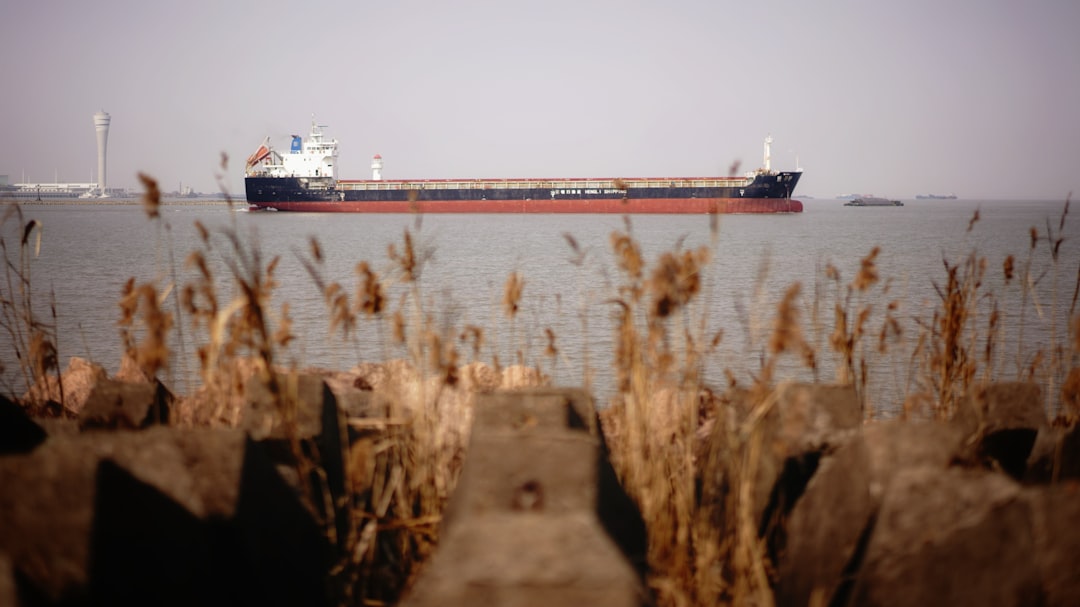
Overview of Non-Stick Cast Iron Skillet Shipping Dynamics to/from Sri Lanka
The importation of kitchenware, specifically non-stick cast iron skillets (HS Code 732391), into Sri Lanka is a nuanced process influenced by both consumer demand for durable cookware and the country's strategic role as a maritime hub. As Sri Lankan households and the hospitality sector (HoReCa) increasingly seek high-quality, long-lasting kitchen essentials, the trade volume for specialized iron and steel articles remains steady.
Market Demand and Product Classification
Cast iron cookware, particularly non-stick or enameled varieties, is gaining traction in Sri Lanka as a premium alternative to traditional aluminum or lower-grade non-stick coatings. Under HS Code 732391, importers must be aware that this classification specifically covers "Table, kitchen or other household articles... of cast iron, not enamelled." If your product features an enamel coating, it may fall under a different sub-heading, necessitating precise customs declaration to avoid clearance delays.
Supply Chain Sensitivity
Sri Lanka’s reliance on maritime trade makes it highly sensitive to global shipping disruptions. Importers must account for the fact that while the Port of Colombo is a major transshipment hub, local distribution is subject to inland logistics challenges, including fuel availability and transport infrastructure constraints that can impact the final mile delivery of heavy goods like cast iron.
In-Depth Analysis of Main Shipping Lines & Container Capacity
The Port of Colombo serves as a critical transshipment node for South Asia, handling over 80% of its throughput as transshipment cargo. Major global carriers, including Maersk, MSC, and CMA CGM, utilize Colombo as a primary gateway for East-West maritime routes.
Carrier Strategy in 2026
In 2026, shipping lines are increasingly deploying ultra-large container vessels (ULCVs) to maximize economies of scale. This shift has been supported by the expansion of deep-water terminal capacity at the Port of Colombo, including the Colombo West International Terminal (CWIT) and the East Container Terminal (ECT). Carriers are prioritizing service reliability over pure rate-cutting, as supply chain stability remains a top concern for beneficial cargo owners (BCOs).
Capacity and Connectivity
With container throughput reaching record highs in early 2026, capacity is generally available, though ad-hoc transshipment calls from vessels diverted from the Middle East have occasionally tightened slot availability. Shippers are advised to maintain close communication with their freight forwarders to secure space on mainline services that offer direct calls to Colombo.
Ocean Freight Rates & Cost Optimization for HS Code 732391
Freight rates for heavy, dense cargo like cast iron skillets are typically calculated based on weight and volume (W/M). Given the high density of cast iron, shippers should optimize container utilization to avoid paying for "dead air" in the container.
Historical vs. Current Freight Rate Trends (Estimated)
| Route Segment | 2025 Average (USD/FEU) | 2026 Current Trend |
|---|---|---|
| Asia to Colombo | $1,200 - $1,800 | Moderate volatility; rates softening |
| Europe to Colombo | $2,500 - $3,500 | Elevated due to Red Sea surcharges |
Cost Optimization Strategies
- Maximize Payload: Cast iron is heavy. Ensure your floor-loaded configurations maximize the weight limit of the container to reduce the per-unit shipping cost.
- Customs Compliance: Ensure the HS Code 732391 is correctly applied. Incorrect classification can lead to penalties and storage fees at the port.
- Inland Logistics: Factor in the cost of inland transport from the port to your warehouse, which can be volatile due to fuel price fluctuations in Sri Lanka.
Port Container Tracking & Congestion at Port of Colombo
As of June 2026, the Port of Colombo has maintained a relatively low congestion index, with median waiting times for vessels averaging approximately 0.41 days. However, the port remains a high-traffic hub, and operational pressure can spike during peak transshipment periods.
Monitoring Real-Time Status
Mitigating Clearance Delays
Delays in container release are often linked to documentation errors or inspection backlogs. Ensure all commercial invoices, packing lists, and certificates of origin are submitted electronically well before the vessel's arrival to expedite the customs clearance process.
Global Logistics Optimization & Supply Chain Strategies
To remain competitive in the Sri Lankan market, importers must move beyond simple freight procurement and adopt a resilient supply chain model.
Building Resilience
- Diversified Sourcing: Do not rely on a single manufacturing origin. If possible, maintain secondary suppliers to mitigate regional geopolitical risks.
- End-to-End Visibility: Partner with logistics providers who offer real-time tracking and predictive analytics to anticipate potential delays at transshipment hubs.
- Inventory Buffering: Given the potential for maritime route disruptions, maintain a slightly higher safety stock of high-turnover items like standard cast iron skillets.
Strategic Partnerships
Collaborating with local customs house agents who have deep expertise in the Sri Lanka Customs National Imports Tariff Guide is essential. They can provide real-time updates on duty changes, cess, and VAT requirements that may impact your landing costs.
Executive Summary & Future Outlook
The outlook for importing non-stick cast iron skillets to Sri Lanka is positive, supported by the country's strengthening maritime infrastructure and growing consumer interest in premium cookware. While global shipping remains subject to geopolitical volatility, the Port of Colombo’s expanded capacity provides a stable gateway for importers.
Key Takeaways
- Capacity: Colombo’s expansion projects have significantly improved its ability to handle increased volumes, though transshipment demand remains high.
- Cost: Focus on weight-based container optimization to offset the high density of cast iron products.
- Compliance: Always verify the latest customs gazette for HS Code 732391 to ensure accurate duty payments.
Sources & References:
- Shipping Pneumatic Air Cylinders to the Port of Valencia, Spain
- Shipping Semiconductor Microchips (HS 854231) to the Port of Montreal
- Shipping Tomato Paste Cans (HS 200290) to the Port of Gothenburg, Sweden
- Shipping SPC Vinyl Click Flooring to the Port of Antwerp-Bruges
- Shipping True Wireless Earbuds (HS 8517.62) to the Port of Alexandria, Egypt
- Shipping Semiconductor Microchips (HS 854231) to the Port of Sines, Portugal
- Shipping Centrifugal Water Pumps to the Port of San Antonio, Chile
- Shipping Digital Signage Monitors to the Port of Trieste, Italy
- Shipping Printed Circuit Boards (PCB) to Egypt via Port of Said
- Optimizing Logistics for Solid State Drives (SSD) Imports to the Port of Chittagong, Bangladesh