
 0 Visitors
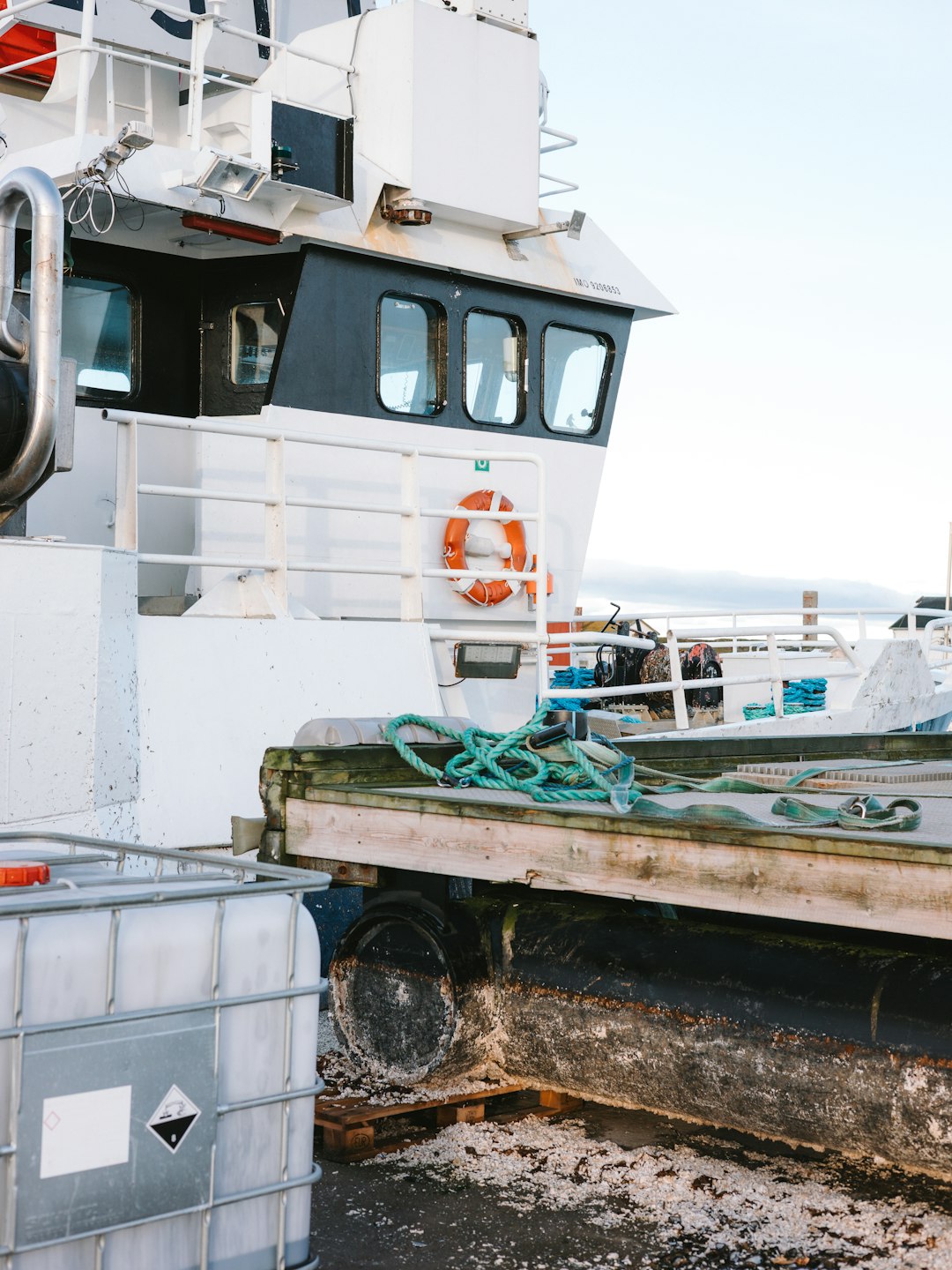
Overview of Outdoor Rattan Sofa Shipping Dynamics to Portugal
Importing outdoor furniture, specifically rattan sofas categorized under HS Code 9401.71 (upholstered seats with metal frames), into Portugal requires a nuanced understanding of both EU customs regulations and the specific operational landscape of the Port of Sines. As of June 2026, the market is characterized by a transition toward seasonal peak demand, necessitating precise planning for importers.
Market Context for Furniture Imports
Portugal’s furniture market remains robust, driven by both residential demand and the hospitality sector. Importers must ensure that products under HS 9401.71 are correctly classified to avoid VAT complications (standard 23% in Portugal) and potential customs penalties. Proper documentation, including a detailed packing list and commercial invoice, is mandatory for smooth clearance through the Autoridade Tributária e Aduaneira (AT).
Supply Chain Volatility in 2026
Global trade in 2026 is marked by high uncertainty. Factors such as geopolitical tensions affecting traditional shipping lanes and fluctuating bunker fuel costs have created a "buyer's market" in some regions, yet European import routes remain sensitive to capacity adjustments by major carriers. Shippers should anticipate that transit times and freight costs will remain volatile throughout the summer months.
In-Depth Analysis of MSC & Maersk Container Capacity
Major carriers like MSC and Maersk continue to dominate the trade lanes connecting Asia and the Middle East to the Iberian Peninsula. However, service rotations are frequently adjusted to optimize efficiency and manage port congestion.
Carrier Service Adjustments
As of early 2026, carriers have been actively refining their port rotations to improve schedule reliability. While the Port of Sines remains a critical deep-water hub for the Iberian-Atlantic front, some services have seen adjustments to their call schedules. It is essential for logistics managers to verify the most recent vessel schedules directly with MSC or Maersk, as direct calls to Sines may be subject to change based on global network optimization strategies.
Capacity Management Strategies
Carriers are currently employing "capacity discipline" to manage the supply-demand balance. This means that while there is significant vessel capacity globally, the actual available space on specific routes to Portugal may be tighter than expected due to blank sailings or the consolidation of port calls. Importers should book space at least 4–6 weeks in advance to secure equipment and vessel slots.
Ocean Freight Rates & Cost Optimization for HS Code 9401.71
Freight rates for furniture imports are currently influenced by seasonal demand and the ongoing necessity for carriers to navigate around the Cape of Good Hope, which adds significant voyage duration and fuel costs.
Historical vs. Current Freight Rate Trends
Note: Exact spot rates are highly volatile and fluctuate weekly. The following table provides a generalized estimate based on market trends for 40ft High Cube (HC) containers from major Asian manufacturing hubs to Sines.
| Period | Estimated Rate Range (per FEU) | Market Condition |
|---|---|---|
| Q1 2026 | $2,200 - $3,000 | Stable/Post-Holiday |
| June 2026 (Current) | $2,800 - $3,800 | Rising/Peak Season Prep |
Cost Optimization Strategies
- Consolidation: For smaller volumes, utilize LCL (Less than Container Load) services to avoid paying for empty space in an FCL (Full Container Load).
- Advance Booking: Secure space early to avoid the "peak season surcharge" that typically hits in late Q2 and Q3.
- HS Code Accuracy: Ensure the 9401.71 code is correctly applied to avoid reclassification fees or customs delays that incur demurrage.
Port Container Tracking & Congestion at Port of Sines
The Port of Sines is a vital gateway for Portugal, known for its deep-water capabilities that accommodate the world's largest container vessels. However, it is not immune to the global trend of port congestion.
Current Operational Status
As of June 2026, the Port of Sines is experiencing moderate operational pressure. While not facing the extreme 45-day delays seen in some global hotspots, vessel wait times can fluctuate. Terminal XXI, operated by PSA Sines, is undergoing significant expansion to increase capacity to 4.1 million TEU, which will eventually alleviate current bottlenecks.
Monitoring Your Cargo
Logistics managers should utilize real-time vessel tracking tools to monitor berth availability. Proactive tracking allows for better coordination with inland transport providers, ensuring that once the container is discharged, it can be moved to its final destination without incurring excessive dwell time charges.
Global Logistics Optimization & Supply Chain Strategies
To maintain competitiveness in the current volatile environment, importers must move beyond simple transactional shipping and adopt a strategic supply chain approach.
Mitigating Geopolitical Risks
The closure of key maritime chokepoints has forced longer routes, increasing the risk of delays. Diversifying your carrier mix and maintaining a buffer stock of inventory are essential strategies to mitigate the impact of unexpected transit disruptions.
Digital Integration
Leverage digital freight platforms to gain visibility into your supply chain. Real-time data on container location, port dwell times, and carrier performance is no longer a luxury—it is a requirement for maintaining profitability in 2026.
Executive Summary & Future Outlook
The outlook for importing outdoor rattan furniture to Portugal remains positive but requires heightened vigilance. While the Port of Sines is expanding its infrastructure to handle future growth, the immediate environment is defined by rising seasonal freight rates and the need for proactive capacity management.
Key Takeaways
- Plan Ahead: Secure space 4–6 weeks in advance to mitigate peak season volatility.
- Compliance is Key: Use the correct HS Code (9401.71) to ensure smooth customs clearance and avoid VAT-related fines.
- Monitor Infrastructure: Keep an eye on Terminal XXI expansion updates at the Port of Sines, as this will significantly impact future throughput efficiency.
Sources & References
GoComet Port Congestion Tracker
MSC Mediterranean Shipping Company Service Updates
Container News: Industry Analysis 2026
FreightAmigo: Logistics & Customs Guides for Portugal
- Shipping Pneumatic Air Cylinders to the Port of Valencia, Spain
- Shipping Semiconductor Microchips (HS 854231) to the Port of Montreal
- Shipping Tomato Paste Cans (HS 200290) to the Port of Gothenburg, Sweden
- Shipping SPC Vinyl Click Flooring to the Port of Antwerp-Bruges
- Shipping True Wireless Earbuds (HS 8517.62) to the Port of Alexandria, Egypt
- Shipping Semiconductor Microchips (HS 854231) to the Port of Sines, Portugal
- Shipping Centrifugal Water Pumps to the Port of San Antonio, Chile
- Shipping Digital Signage Monitors to the Port of Trieste, Italy
- Shipping Printed Circuit Boards (PCB) to Egypt via Port of Said
- Optimizing Logistics for Solid State Drives (SSD) Imports to the Port of Chittagong, Bangladesh