
 547 Visitors
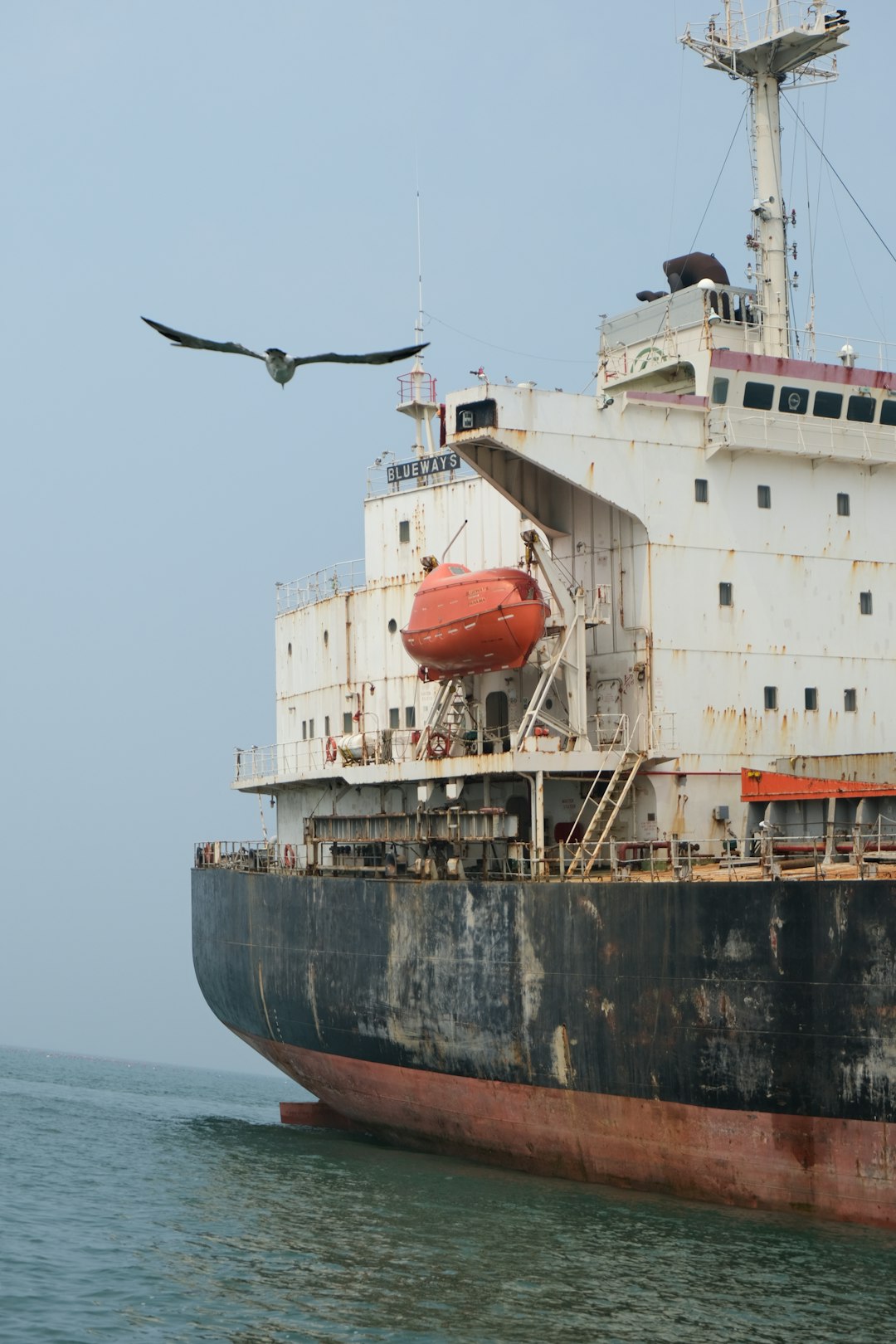
For supply chain managers and pharmaceutical distributors, navigating the import of sensitive goods like Antibiotic Medicine Tablets (HS Code 300410) into Finland requires a precise understanding of both regulatory compliance and maritime logistics. As of mid-2026, the Port of Helsinki remains a critical gateway for unitized cargo, despite shifting global trade patterns.
Overview of Antibiotic Medicine Tablets Shipping Dynamics to/from Finland
Regulatory Compliance for Pharmaceutical Imports
Importing medicinal products into Finland is strictly regulated by the Finnish Medicines Agency (Fimea) and Finnish Customs (Tulli). Under HS Code 300410, which covers medicaments containing penicillins or derivatives, importers must ensure that all products have valid marketing authorization. Private imports of antibiotics are prohibited, and commercial shipments must adhere to strict documentation requirements, including valid prescriptions or certificates of origin, to ensure the integrity and safety of the pharmaceutical supply chain.
The Importance of Cold Chain and Integrity
Pharmaceutical transportation is characterized by high safety standards. Maintaining the efficacy of antibiotic tablets requires climate-controlled environments. Shippers must ensure that their logistics partners provide validated temperature-controlled containers and real-time monitoring to prevent degradation during transit, particularly when moving goods through the Baltic Sea region.
In-Depth Analysis of Finnlines / Unifeeder & Container Capacity
Finnlines: The Ro-Ro and Unitized Cargo Specialist
Finnlines operates as a cornerstone of the Baltic Sea transport system. With a fleet of modern, ice-class vessels (such as the Finneco and Star-class series), they provide high-frequency, reliable connections between Finland and major European hubs like Travemünde and Gdynia. Their focus on unitized cargo makes them an ideal partner for palletized pharmaceutical goods that require rapid transit and minimal handling.
Unifeeder: Enhancing Feeder Network Connectivity
Unifeeder provides the largest and best-connected feeder network in Northern Europe. By utilizing a hub-and-spoke model, they connect the Port of Helsinki to major global deep-sea ports. Their fleet, which includes vessels with high ice classes, is specifically designed for northern waters, ensuring that capacity remains available even during challenging winter months.
Ocean Freight Rates & Cost Optimization for HS Code 300410
Current Freight Rate Environment
As of June 2026, the global ocean freight market is experiencing volatility due to an early peak season and rising port congestion. While contract rates for pharmaceutical goods are generally more stable than spot rates, shippers should anticipate potential surcharges related to the FuelEU Maritime regulation and seasonal demand spikes.
| Route Segment | Primary Carrier | Estimated Rate Trend (2026) | Reliability Factor |
|---|---|---|---|
| Continental Europe to Helsinki | Finnlines | Stable (Contract-based) | High |
| Global Hub to Helsinki (Feeder) | Unifeeder | Fluctuating (Spot-sensitive) | Moderate |
Cost Optimization Strategies
- AEO Status: Utilize Authorized Economic Operator (AEO) status to expedite customs clearance and reduce inspection costs.
- Consolidation: For smaller volumes of high-value antibiotics, consider LCL (Less than Container Load) services through specialized pharmaceutical forwarders to optimize costs.
- Contractual Planning: Lock in long-term capacity agreements with carriers like Finnlines to hedge against spot rate volatility.
Port Container Tracking & Congestion at Port of Helsinki
Current Congestion Metrics
The Port of Helsinki has shown resilience in 2026, with unitized cargo volumes increasing by 4.9% in the first five months of the year. While major European hubs like Rotterdam and Hamburg have faced significant congestion, Helsinki maintains a relatively stable operational environment. However, shippers should monitor real-time vessel tracking to account for minor delays caused by ongoing infrastructure projects, such as the Vuosaari Harbour road tunnel work.
Leveraging Digital Visibility
To mitigate risks, logistics managers should employ predictive visibility tools. These platforms use AIS data and terminal operational metrics to provide accurate ETAs, allowing for proactive adjustments to inland distribution schedules if a vessel is delayed at a transshipment hub.
Global Logistics Optimization & Supply Chain Strategies
Multimodal Integration
Given Finland's geographic position, maritime transit is the primary artery for international commerce. Integrating sea freight with rail and road transport is essential. For pharmaceutical shipments, this means ensuring that the "last mile" from the Port of Helsinki to the final warehouse is handled by certified pharmaceutical logistics providers who can maintain the required temperature and security protocols.
Sustainability and Regulatory Preparedness
With the implementation of FuelEU Maritime and other green initiatives, carriers are increasingly prioritizing modern, energy-efficient vessels. Shippers should partner with carriers that invest in alternative fuels and hybrid technologies, as these vessels are less likely to be impacted by future carbon-related operational restrictions.
Executive Summary & Future Outlook
Key Takeaways
- Compliance First: Always verify Fimea requirements for HS Code 300410 before initiating shipments.
- Carrier Selection: Finnlines offers superior ro-ro capacity for unitized goods, while Unifeeder provides essential feeder connectivity.
- Risk Management: Monitor port congestion indices for transshipment hubs, as these are the primary sources of potential delays.
Sources & References
Finnish Customs (Tulli) - Import Regulations | Port of Helsinki - Cargo Statistics 2026 | Finnlines - Freight Services | Unifeeder - Feeder Network | Finnish Medicines Agency (Fimea)
- Shipping Pneumatic Air Cylinders to the Port of Valencia, Spain
- Shipping Semiconductor Microchips (HS 854231) to the Port of Montreal
- Shipping Tomato Paste Cans (HS 200290) to the Port of Gothenburg, Sweden
- Shipping SPC Vinyl Click Flooring to the Port of Antwerp-Bruges
- Shipping True Wireless Earbuds (HS 8517.62) to the Port of Alexandria, Egypt
- Shipping Semiconductor Microchips (HS 854231) to the Port of Sines, Portugal
- Shipping Centrifugal Water Pumps to the Port of San Antonio, Chile
- Shipping Digital Signage Monitors to the Port of Trieste, Italy
- Shipping Printed Circuit Boards (PCB) to Egypt via Port of Said
- Optimizing Logistics for Solid State Drives (SSD) Imports to the Port of Chittagong, Bangladesh