
 413 Visitors
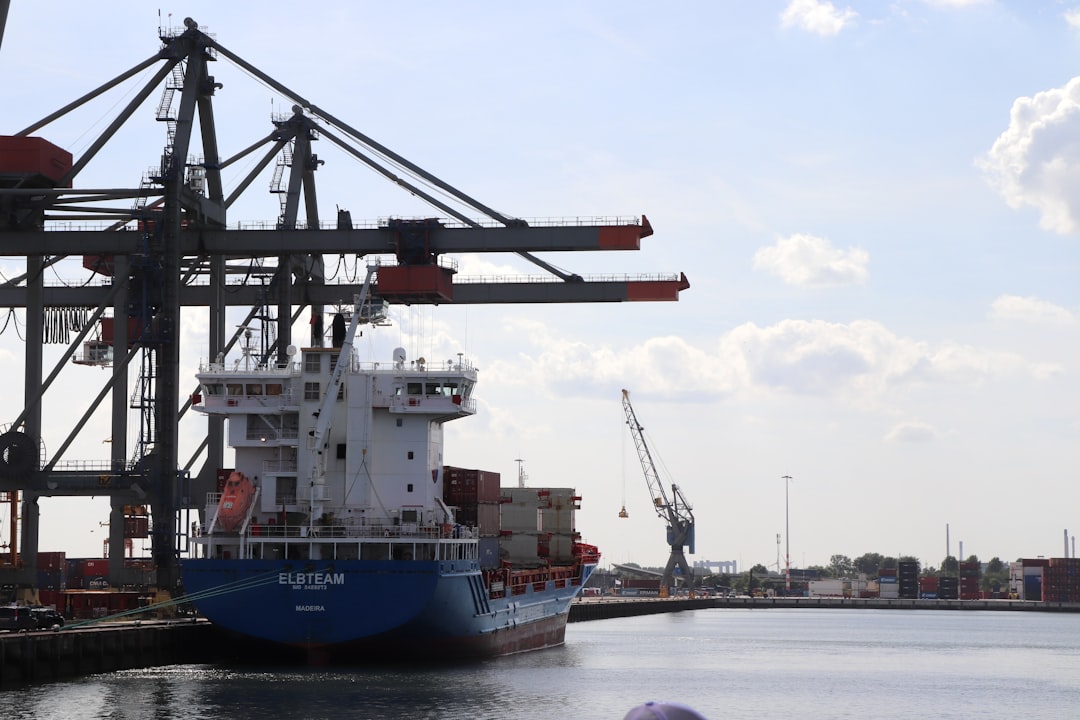
Overview of Automatic Labeling Applicators Shipping Dynamics to/from Denmark
The import of industrial machinery, specifically Automatic Labeling Applicators classified under HS Code 842230, into Denmark requires a nuanced understanding of both technical compliance and maritime logistics. As a critical hub for Northern Europe, the Port of Aarhus serves as the primary gateway for such high-value industrial equipment, handling approximately 70% of Denmark's container traffic.
Classification and Compliance
Under the Harmonized System, HS 842230 covers machinery for filling, closing, sealing, or labeling containers. When shipping these units, exporters must ensure precise documentation, as Danish customs authorities strictly enforce EU-wide regulations. Proper classification is essential to avoid penalties and ensure the application of correct duty rates, which typically range from 0% to 14% for machinery, plus a 25% VAT.
Packaging and Handling Requirements
Given the precision nature of automatic labeling applicators—often featuring delicate electronic sensors and servo-motorized components—protective crating is mandatory. Industry best practices include the use of anti-corrosive materials and desiccants to mitigate humidity risks during sea transit. Ensuring these machines are palletized and secured according to international standards (ISO 9001) is vital for insurance and damage prevention.
In-Depth Analysis of Maersk / Unifeeder & Container Capacity
The route to the Port of Aarhus is heavily serviced by industry leaders Maersk and Unifeeder, both of which maintain a strong operational presence in Denmark.
Carrier Capabilities
- Maersk: Offers comprehensive door-to-door logistics, leveraging its global fleet to provide reliable, scheduled connections from major Asian and North American export hubs to Aarhus. Their integrated services include inland haulage, which simplifies the final-mile delivery to Danish manufacturing sites.
- Unifeeder: As the largest feeder network in Northern Europe, Unifeeder excels in short-sea connectivity. They provide the agility required to move cargo from larger transshipment hubs (like Rotterdam or Hamburg) into Aarhus, utilizing a fleet of vessels specifically designed for Northern European waters, including those with high ice classes.
Capacity Outlook
While the global shipping industry has seen a significant influx of new vessel capacity in 2026, carriers are actively managing this supply to maintain rate stability. Shippers should expect consistent, albeit tightly managed, capacity on routes serving the Port of Aarhus.
Ocean Freight Rates & Cost Optimization for HS Code 842230
Ocean freight rates in mid-2026 are characterized by a "normalization" phase following years of extreme volatility, though they remain sensitive to geopolitical "wild cards" and peak-season demand surges.
| Cost Factor | Status (June 2026) | Strategic Impact |
|---|---|---|
| Spot Rates | Rising (Early Peak Season) | Budget for potential 5-10% increases during Q3. |
| Bunker Surcharges | Elevated | Directly impacts total landed cost; monitor fuel indices. |
| Customs Duty (HS 842230) | 0% - 14% | Dependent on origin; utilize EU TARIC for precision. |
Port Container Tracking & Congestion at Port of Aarhus
The Port of Aarhus currently maintains a highly efficient operational profile, with low congestion indices reported as of June 2026. Median waiting times remain minimal (approx. 0.04 days), making it one of the more reliable entry points in the Baltic region.
Monitoring Real-Time Performance
Despite the current stability, supply chain managers should utilize digital tracking tools to monitor "cascade effects." Disruptions at larger global hubs (e.g., Shanghai or Rotterdam) can ripple into Northern Europe, causing vessel bunching even at efficient ports like Aarhus. Real-time visibility platforms are recommended to anticipate potential schedule deviations.
Global Logistics Optimization & Supply Chain Strategies
To optimize the movement of automatic labeling applicators, companies should adopt a multi-layered logistics strategy:
- Digital Integration: Utilize carrier-provided tracking (e.g., Maersk’s digital platform) to gain end-to-end visibility of the cargo.
- Resilience Planning: Given the unpredictability of global trade, maintain "optionality" by having secondary freight forwarder contacts and exploring multimodal transport options (sea-to-road) if port congestion spikes.
- Sustainability Focus: Leverage the Port of Aarhus’s commitment to green infrastructure, including upcoming shore power facilities, to align your supply chain with corporate ESG goals.
Executive Summary & Future Outlook
The outlook for 2026 suggests a period of stabilization for shipping to Denmark, provided that geopolitical risks remain contained. The Port of Aarhus continues to solidify its position as a premier logistics hub, supported by the robust feeder networks of Maersk and Unifeeder. For companies shipping automatic labeling applicators, success lies in proactive capacity booking, precise HS code documentation, and the use of real-time visibility tools to navigate the "new normal" of global maritime trade.
Sources & References
- Shipping Pneumatic Air Cylinders to the Port of Valencia, Spain
- Shipping Semiconductor Microchips (HS 854231) to the Port of Montreal
- Shipping Tomato Paste Cans (HS 200290) to the Port of Gothenburg, Sweden
- Shipping SPC Vinyl Click Flooring to the Port of Antwerp-Bruges
- Shipping True Wireless Earbuds (HS 8517.62) to the Port of Alexandria, Egypt
- Shipping Semiconductor Microchips (HS 854231) to the Port of Sines, Portugal
- Shipping Centrifugal Water Pumps to the Port of San Antonio, Chile
- Shipping Digital Signage Monitors to the Port of Trieste, Italy
- Shipping Printed Circuit Boards (PCB) to Egypt via Port of Said
- Optimizing Logistics for Solid State Drives (SSD) Imports to the Port of Chittagong, Bangladesh