
 0 Visitors
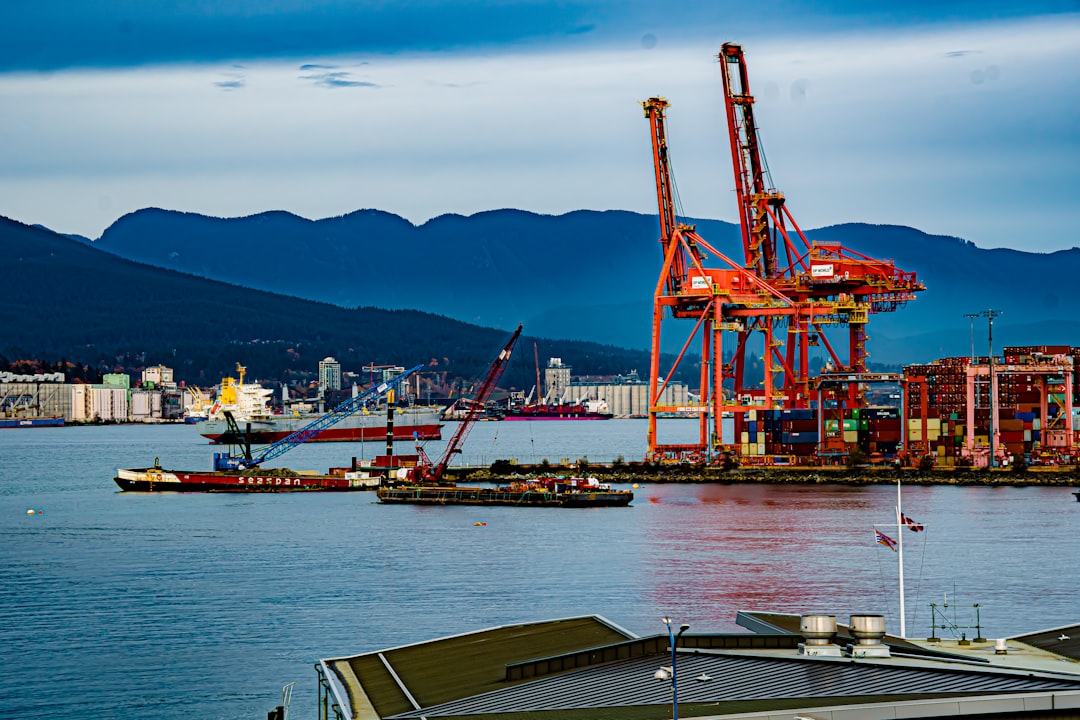
Overview of Biodegradable Paper Cups Shipping Dynamics to/from Thailand
The global shift toward sustainable packaging has significantly increased the demand for biodegradable paper cups, classified under HS Code 4823.69. As Thailand continues to modernize its industrial infrastructure, it has become a critical hub for both the consumption and regional distribution of eco-friendly food service disposables.
Market Demand and Classification
Biodegradable paper cups, often featuring PLA or aqueous coatings, are categorized under HS Code 4823.69 (trays, dishes, plates, cups, and the like, of paper or paperboard). Accurate classification is vital to avoid customs delays and ensure compliance with Thai import regulations, which prioritize environmental standards and product safety for food-contact materials.
Regulatory Environment in Thailand
Importers must be aware that while "biodegradable" is a marketing term, Thai Customs enforces strict adherence to material composition declarations. Ensure your documentation includes clear material safety data sheets (MSDS) and certificates of origin to expedite clearance at Laem Chabang Port.
In-Depth Analysis of ONE / COSCO / Yang Ming & Container Capacity
The shipping alliance landscape, particularly involving ONE (Ocean Network Express), COSCO, and Yang Ming, remains the backbone of trade into Laem Chabang. These carriers have optimized their 2026 service networks to manage the complexities of current global maritime routes.
Carrier Network Strategies
These carriers have been actively adjusting their service loops to accommodate the rerouting of vessels via the Cape of Good Hope, which has absorbed significant capacity. For shipments to Thailand, these lines offer robust intra-Asia feeder services that connect major transshipment hubs like Singapore and Port Klang directly to Laem Chabang.
Capacity and Equipment Availability
As of June 2026, capacity remains tight due to an early peak season. Shippers are advised to book space at least 3–4 weeks in advance. Carriers are currently prioritizing equipment repositioning to ensure that empty containers are available for high-demand export routes, which may occasionally lead to localized equipment shortages for importers.
Ocean Freight Rates & Cost Optimization for HS Code 4823.69
Freight rates in mid-2026 have experienced upward pressure due to early peak season demand and geopolitical disruptions. Below is a summary of the current market environment for containerized cargo.
| Route / Metric | Current Trend (June 2026) | Strategic Impact |
|---|---|---|
| Intra-Asia Spot Rates | Elevated (approx. $1,200 - $1,300/FEU) | High volatility; early booking essential |
| Capacity Availability | Tight / Constrained | Risk of cargo rolling |
| Peak Season Surcharges | Active (Carrier Dependent) | Increases total landed cost |
Cost Optimization Strategies
- Consolidation: Utilize LCL (Less-than-Container Load) services if volume does not justify a full FEU to minimize per-unit shipping costs.
- Contract Management: Leverage long-term service agreements with ONE or COSCO to hedge against spot market volatility.
Port Container Tracking & Congestion at Laem Chabang Port
Laem Chabang Port remains one of Southeast Asia's most efficient gateways, though it is not immune to regional ripple effects from global supply chain disruptions.
Current Congestion Status
As of mid-June 2026, Laem Chabang is experiencing low congestion, with median vessel waiting times typically under 1 day. This makes it a highly reliable port compared to other regional hubs currently facing severe bottlenecks.
Tracking and Visibility
Supply chain managers should utilize real-time tracking tools provided by carriers (e.g., ONE’s e-commerce platform or COSCO’s tracking portal) to monitor vessel arrivals. Given the "cascade effect" of global delays, maintaining visibility on the vessel's previous port calls is recommended to anticipate potential schedule shifts.
Global Logistics Optimization & Supply Chain Strategies
Strategic Recommendations
- Documentation Accuracy: Ensure all HS 4823.69 documentation is digitized to facilitate pre-arrival customs clearance.
- Multimodal Options: For time-sensitive shipments, explore rail-sea combinations via regional rail networks that connect to Laem Chabang.
Executive Summary & Future Outlook
The outlook for shipping biodegradable paper cups to Thailand remains positive, supported by robust infrastructure at Laem Chabang Port. While freight rates are currently elevated due to an early peak season, proactive booking and strategic carrier partnerships can stabilize supply chain costs.
Key Takeaways
- Monitor Rates: Keep a close watch on the Drewry Intra-Asia Container Index for market shifts.
- Plan Ahead: Secure bookings early to avoid the impact of vessel space constraints.
- Compliance First: Maintain rigorous HS code documentation to ensure smooth entry into the Thai market.
Sources & References:
- Shipping Pneumatic Air Cylinders to the Port of Valencia, Spain
- Shipping Semiconductor Microchips (HS 854231) to the Port of Montreal
- Shipping Tomato Paste Cans (HS 200290) to the Port of Gothenburg, Sweden
- Shipping SPC Vinyl Click Flooring to the Port of Antwerp-Bruges
- Shipping True Wireless Earbuds (HS 8517.62) to the Port of Alexandria, Egypt
- Shipping Semiconductor Microchips (HS 854231) to the Port of Sines, Portugal
- Shipping Centrifugal Water Pumps to the Port of San Antonio, Chile
- Shipping Digital Signage Monitors to the Port of Trieste, Italy
- Shipping Printed Circuit Boards (PCB) to Egypt via Port of Said
- Optimizing Logistics for Solid State Drives (SSD) Imports to the Port of Chittagong, Bangladesh