
 0 Visitors
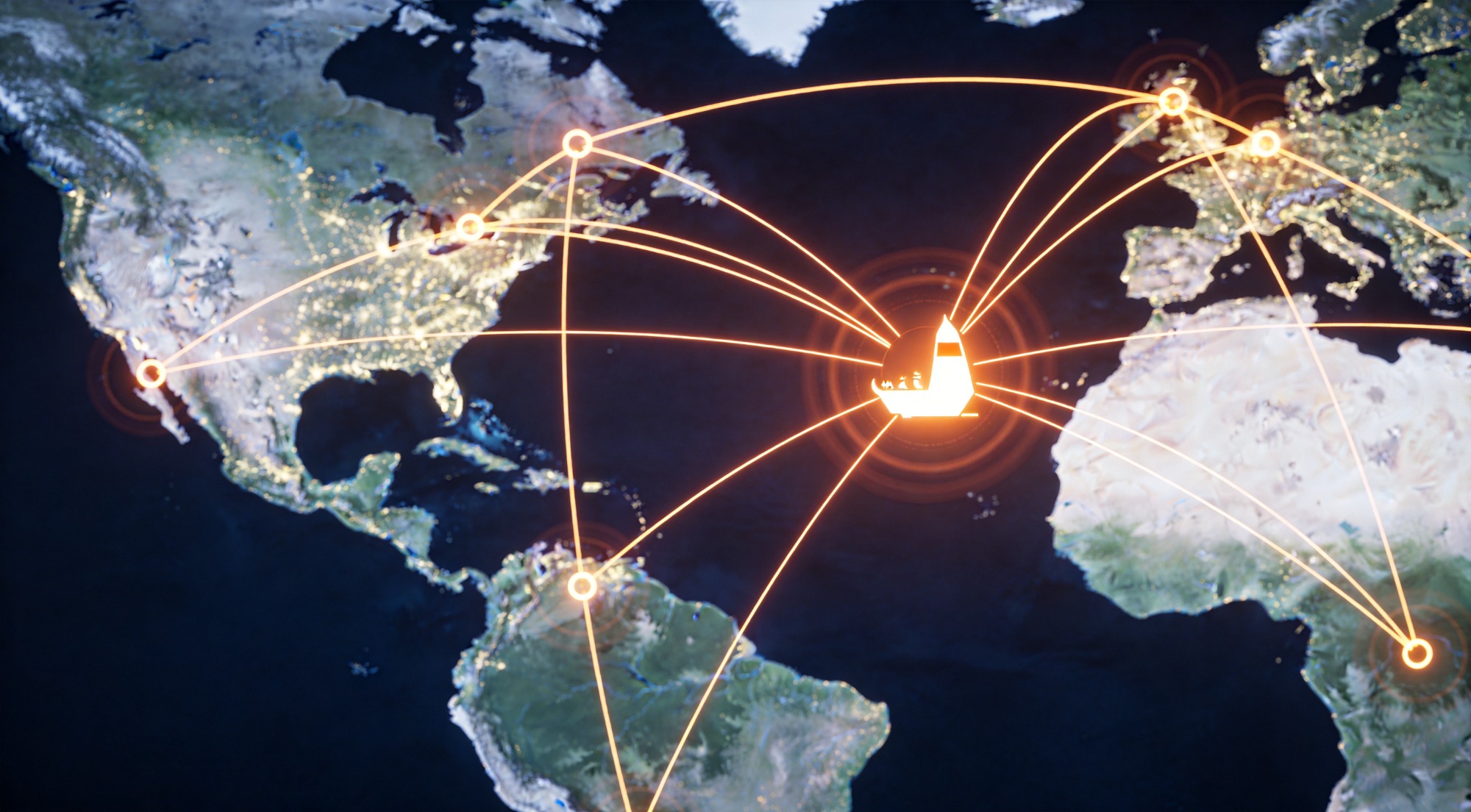
Overview of Carbon Fiber Tennis Rackets Shipping Dynamics to/from Belgium
Market Context for HS Code 950651
Carbon fiber tennis rackets, classified under HS Code 950651 (Lawn-tennis rackets, whether or not strung), represent a high-value, lightweight cargo segment. Because these items are often constructed from advanced composite materials, they require careful handling to prevent structural stress during transit. Importers in Belgium must ensure accurate classification to comply with EU customs regulations, as misclassification can lead to significant duty discrepancies or clearance delays.
Supply Chain Sensitivity
As sporting goods, these items are often subject to seasonal demand spikes. Logistics managers must account for the "just-in-time" nature of retail distribution in the European market, where inventory turnover is critical. Shipping to Belgium—a central hub for European distribution—requires a robust understanding of both maritime transit and the efficient inland waterway and rail networks that connect the Port of Antwerp-Bruges to the rest of the continent.
In-Depth Analysis of MSC / CMA CGM & Container Capacity
Carrier Capabilities and Fleet Deployment
Both MSC and CMA CGM are dominant players in the Asia-Europe trade lane, frequently utilizing their largest "Megamax" vessels (23,000+ TEU capacity) to call at the Port of Antwerp-Bruges. These carriers provide extensive connectivity, with regular scheduled services that integrate the Deurganckdock and other key terminals. Their ability to deploy LNG-powered vessels also aligns with the port's growing focus on sustainable shipping corridors.
Operational Reliability
In June 2026, both carriers are managing capacity tightly. Shippers should note that while these lines offer high frequency, they are currently prioritizing space for long-term contract holders. Booking windows are narrowing, and carriers are increasingly utilizing "blank sailings" or port omissions to maintain schedule integrity amidst regional congestion. It is highly recommended to secure bookings at least 3–4 weeks in advance.
Ocean Freight Rates & Cost Optimization for HS Code 950651
Current Market Rate Trends (June 2026)
Ocean freight rates for Asia-to-Northern Europe routes have seen upward pressure entering June 2026 due to an early peak season and ongoing geopolitical risks affecting transit routes. While exact rates fluctuate daily based on spot market volatility, shippers should prepare for a combination of base freight, Bunker Adjustment Factors (BAF), and newly introduced Peak Season Surcharges (PSS).
| Cost Component | Estimated Impact/Trend |
|---|---|
| Base Ocean Freight | Rising; currently averaging $3,000+ per FEU for Asia-North Europe |
| Peak Season Surcharge (PSS) | Active; introduced as of June 2026 |
| Bunker Adjustment Factor (BAF) | Variable (5%–20% of base rate) |
| Terminal Handling Charges (THC) | Standardized; $100–$500 per container |
Cost Optimization Strategies
- Consolidation: For smaller volumes, utilize LCL (Less than Container Load) services to optimize costs while maintaining protection for high-value carbon fiber frames.
- Advance Booking: Avoid "spot market" premiums by finalizing space allocations early.
- Inland Multimodal: Leverage Belgium’s extensive inland waterway network (barge/rail) from Antwerp to reduce expensive last-mile trucking costs.
Port Container Tracking & Congestion at Port of Antwerp-Bruges
Current Operational Status
The Port of Antwerp-Bruges has faced intermittent operational strain in 2026, largely due to labor actions and weather-related disruptions earlier in the year. As of June 2026, yard density remains a critical metric to monitor. High yard density (often exceeding 80%) can lead to slower truck turnaround times and extended dwell times for import containers.
Tracking and Visibility
Global Logistics Optimization & Supply Chain Strategies
Mitigating Risk in the European Gateway
To optimize the supply chain for carbon fiber tennis rackets, businesses must move beyond simple freight procurement. This involves:
- Diversification: If Antwerp-Bruges experiences severe congestion, have pre-vetted contingency plans for routing through alternative ports like Rotterdam or Hamburg.
- Digital Visibility: Implement real-time tracking solutions that provide alerts on vessel delays, allowing for dynamic adjustments to inland transport schedules.
- Compliance: Ensure all "dual-use" or material-specific documentation is prepared in advance, as carbon fiber products may occasionally trigger additional customs scrutiny depending on the specific manufacturing origin and technology used.
Executive Summary & Future Outlook
Key Takeaways
The shipping landscape for high-value sporting equipment like carbon fiber tennis rackets into Belgium is currently defined by tight capacity and early peak season demand. Success requires a proactive approach to booking, a deep understanding of the Port of Antwerp-Bruges' operational nuances, and a commitment to multimodal inland transport to bypass road congestion.
Future Outlook
While the port is investing in "Container Plan 22-30" to increase capacity and efficiency, shippers should expect continued volatility through Q3 2026. Maintaining flexibility in your logistics strategy and fostering strong relationships with major carriers like MSC and CMA CGM will be the primary drivers of supply chain resilience.
Sources & References
- Shipping Pneumatic Air Cylinders to the Port of Valencia, Spain
- Shipping Semiconductor Microchips (HS 854231) to the Port of Montreal
- Shipping Tomato Paste Cans (HS 200290) to the Port of Gothenburg, Sweden
- Shipping SPC Vinyl Click Flooring to the Port of Antwerp-Bruges
- Shipping True Wireless Earbuds (HS 8517.62) to the Port of Alexandria, Egypt
- Shipping Semiconductor Microchips (HS 854231) to the Port of Sines, Portugal
- Shipping Centrifugal Water Pumps to the Port of San Antonio, Chile
- Shipping Digital Signage Monitors to the Port of Trieste, Italy
- Shipping Printed Circuit Boards (PCB) to Egypt via Port of Said
- Optimizing Logistics for Solid State Drives (SSD) Imports to the Port of Chittagong, Bangladesh