
 0 Visitors
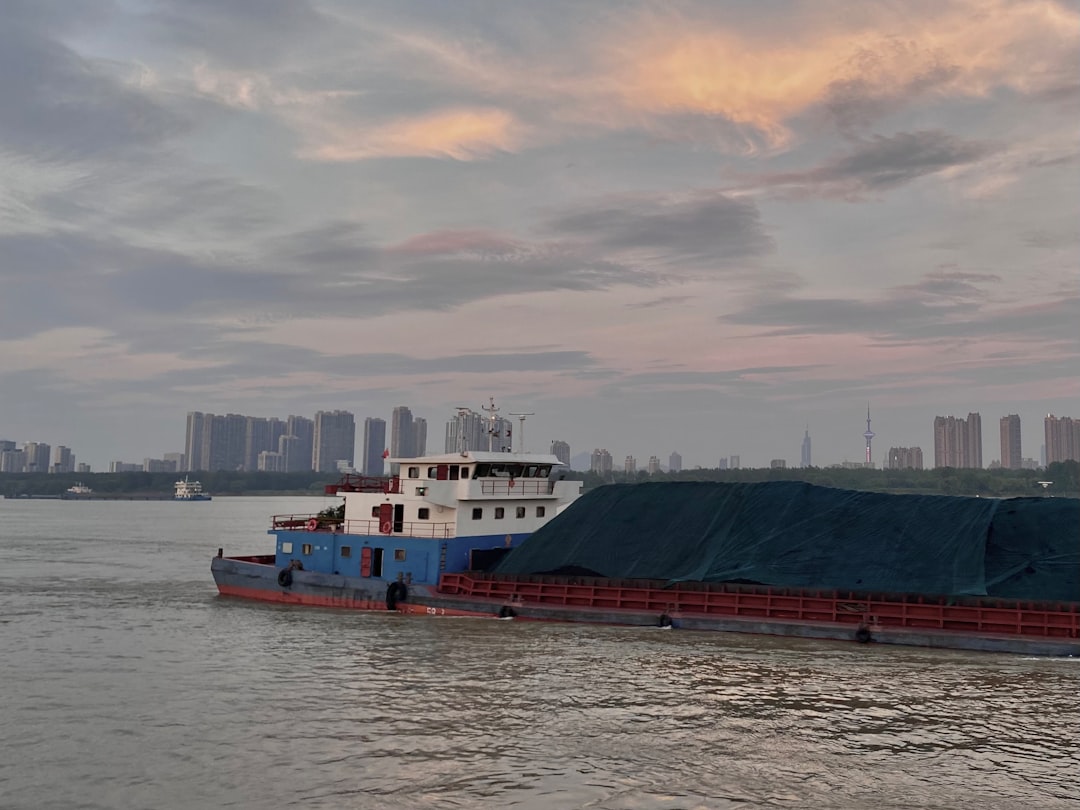
Overview of Flexible PCB (FPC) Shipping Dynamics to/from Brazil
The importation of Flexible Printed Circuits (FPC), classified under HS Code 8534.00, into Brazil represents a critical supply chain link for the country's growing electronics and automotive manufacturing sectors. As Brazil continues to modernize its industrial base, the demand for high-precision electronic components has necessitated more robust and reliable logistics pathways.
Market Context for Electronic Components
Brazil’s electronics sector relies heavily on imported components to fuel domestic production. Given the high value and sensitivity of FPC units, shippers must prioritize secure, climate-controlled, and reliable transit options. The regulatory environment in Brazil is stringent, requiring meticulous documentation to avoid customs delays.
Regulatory Compliance and Documentation
Importers must be aware that electronics are subject to significant taxation, including Import Duty (II), IPI (Federal Excise), ICMS (State VAT), and PIS/COFINS. Proper classification under the 10-digit NCM (Nomenclatura Comum do Mercosul) code is mandatory to ensure accurate tax assessment and to avoid heavy fines or cargo seizure.
In-Depth Analysis of Maersk / MSC & Container Capacity
Maersk and MSC remain the dominant carriers serving the East Coast of South America (ECSA). Their presence at the Port of Paranaguá is characterized by high-frequency vessel calls and integrated logistics solutions that cater to both industrial and agricultural cargo.
Carrier Infrastructure and Service Reliability
Both Maersk and MSC have invested heavily in the region. Maersk, in particular, has recently expanded its footprint in Paranaguá with new inland depot investments, designed to facilitate faster container rotation and reduce bottlenecks. These investments are crucial for shippers of high-value goods like FPCs, as they provide better visibility and control over the final leg of the journey.
Capacity Management and Vessel Deployment
Carriers are currently managing capacity through a mix of blank sailings and strategic vessel reallocation to maintain rate stability. Shippers should monitor the schedules of major services like the "New Brazex" or "Tango" loops, which frequently call at Paranaguá, to ensure timely booking and equipment availability.
Ocean Freight Rates & Cost Optimization for HS Code 8534.00
Ocean freight rates to Brazil are influenced by a combination of global fuel costs, carrier capacity management, and local port operational efficiency. While rates are currently range-bound, shippers should prepare for seasonal volatility.
Historical vs. Current Freight Rate Trends
| Period | Market Trend | Key Cost Driver |
|---|---|---|
| Q1 2026 | Stable/Moderate | Post-Lunar New Year demand adjustment |
| Q2 2026 | Fluctuating | Geopolitical risks & fuel price volatility |
| Outlook (H2 2026) | Range-bound | Capacity discipline & seasonal peak demand |
Optimization Strategies
- Leverage Ex-Tarifário: Investigate if your specific FPC product qualifies for the "Ex-Tarifário" regime, which can offer temporary tariff exemptions for goods without domestic equivalents.
- Consolidation: Given the high value of FPCs, consider LCL (Less than Container Load) consolidation if volumes are low, or optimize FCL (Full Container Load) utilization to minimize per-unit shipping costs.
Port Container Tracking & Congestion at Port of Paranaguá
The Port of Paranaguá (TCP - Terminal de Contêineres de Paranaguá) is one of South America's most efficient terminals, yet it remains sensitive to weather-related disruptions and seasonal volume spikes.
Current Operational Status
As of June 2026, operations at the Port of Paranaguá remain generally stable, with vessel waiting times typically under two days. However, localized congestion can occur due to adverse weather or surges in agricultural exports, which dominate the port's throughput.
Tracking and Visibility
Global Logistics Optimization & Supply Chain Strategies
Optimizing the movement of sensitive electronics requires a holistic approach that extends beyond the ocean freight leg.
Integrated Logistics Solutions
By utilizing the integrated services offered by carriers like Maersk, shippers can benefit from end-to-end visibility. This includes coordinated inland transport from the port to the final destination, which is critical in Brazil where inland infrastructure can be a bottleneck.
Risk Mitigation
- Dual Sourcing: Maintain backup routes or carriers to mitigate the impact of blank sailings or unexpected port closures.
- Digital Documentation: Transition to electronic Bills of Lading (eBL) to speed up customs clearance and reduce administrative errors.
Executive Summary & Future Outlook
The shipping landscape for FPCs to Brazil is evolving, with a clear trend toward integrated, digitized, and more resilient supply chains. While the Port of Paranaguá is undergoing significant infrastructure improvements—including a 25-year channel concession to deepen the draft—shippers must remain vigilant regarding regulatory compliance and seasonal rate fluctuations.
Key Takeaways
- Infrastructure: The deepening of the Paranaguá access channel to 15.5 meters will enhance long-term efficiency and allow for larger vessel calls.
- Compliance: Always verify NCM codes and INMETRO requirements to prevent costly customs delays.
- Strategy: Focus on cost predictability rather than just spot-rate chasing; build strong relationships with carriers to secure equipment during peak seasons.
Sources & References
Maersk Market Updates (June 2026) | TCP - Terminal de Contêineres de Paranaguá | DatamarNews (Brazil Port Statistics) | FreightAmigo (Brazil Customs & Tax Guides)
- Shipping Pneumatic Air Cylinders to the Port of Valencia, Spain
- Shipping Semiconductor Microchips (HS 854231) to the Port of Montreal
- Shipping Tomato Paste Cans (HS 200290) to the Port of Gothenburg, Sweden
- Shipping SPC Vinyl Click Flooring to the Port of Antwerp-Bruges
- Shipping True Wireless Earbuds (HS 8517.62) to the Port of Alexandria, Egypt
- Shipping Semiconductor Microchips (HS 854231) to the Port of Sines, Portugal
- Shipping Centrifugal Water Pumps to the Port of San Antonio, Chile
- Shipping Digital Signage Monitors to the Port of Trieste, Italy
- Shipping Printed Circuit Boards (PCB) to Egypt via Port of Said
- Optimizing Logistics for Solid State Drives (SSD) Imports to the Port of Chittagong, Bangladesh