
 356 Visitors
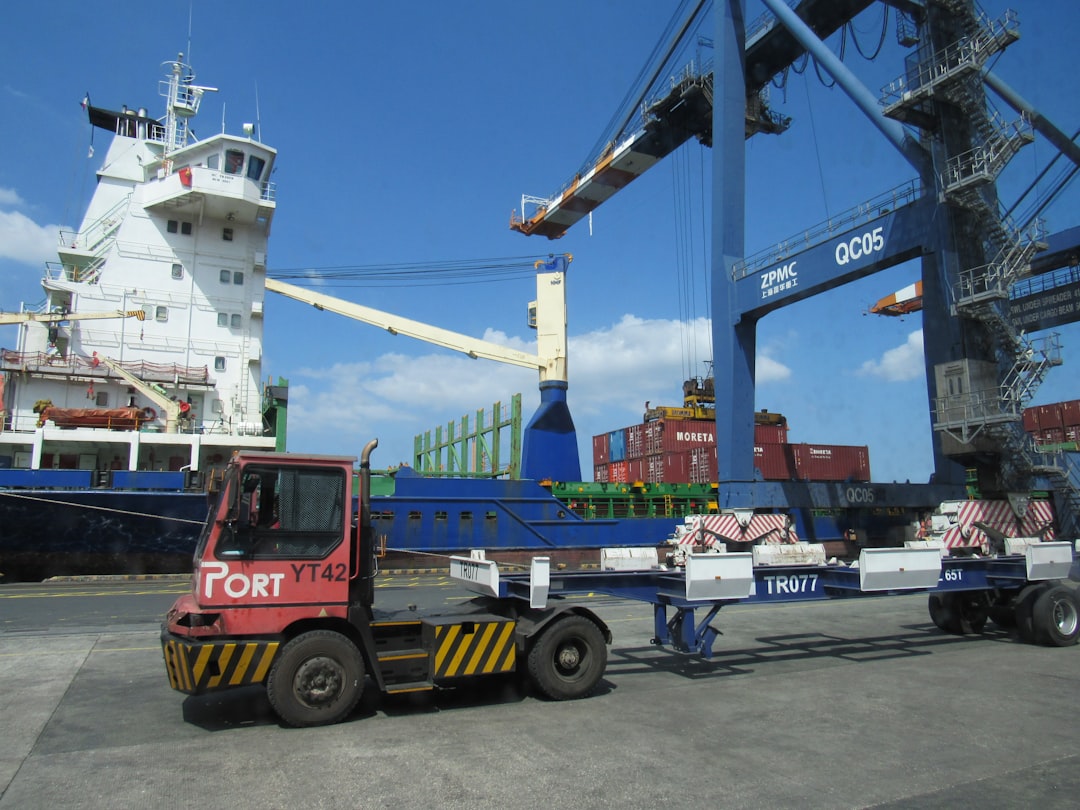
Overview of Induction Melting Furnaces Shipping Dynamics to Belgium
Shipping industrial machinery, specifically Induction Melting Furnaces (HS Code 851420), requires a sophisticated approach to logistics. As these units are often high-value, heavy, and sensitive to environmental conditions, they fall under specialized cargo categories. Belgium, anchored by the Port of Antwerp-Bruges, serves as a critical gateway for European industrial distribution. Current market dynamics indicate that while the port remains a premier hub, shippers must navigate a landscape of fluctuating freight rates and complex inland connectivity requirements.
Classification and Compliance
Induction melting furnaces are classified under HS Code 851420, which covers furnaces and ovens functioning by induction or dielectric loss. Proper classification is essential for customs clearance in Belgium, as it determines the applicable import duties and regulatory requirements under EU trade frameworks. Shippers should ensure that technical documentation, including power specifications and intended industrial use, is clearly stated to avoid customs delays.
The Importance of Specialized Handling
Unlike standard containerized goods, induction furnaces often require flat-rack containers or breakbulk shipping solutions due to their dimensions and weight. The logistics chain must account for specialized loading equipment, such as heavy-duty cranes and, in some cases, exceptional transport permits for inland road or rail transit within Belgium.
In-Depth Analysis of MSC / CMA CGM & Container Capacity
Major carriers like MSC and CMA CGM are primary players in the trade lanes connecting global manufacturing hubs to Northern Europe. As of June 2026, these lines are managing significant capacity shifts driven by early peak-season demand and ongoing geopolitical adjustments to vessel routing.
Carrier Service Reliability
Both MSC and CMA CGM have maintained robust service loops into Antwerp-Bruges. However, carriers are increasingly prioritizing vessel utilization, which can lead to "blank sailings" or omitted port calls during periods of high congestion. Shippers are advised to maintain close communication with these carriers to secure space, especially for non-standard equipment like flat racks.
Capacity and Equipment Availability
While global capacity has seen an influx of new vessel deliveries, the effective capacity remains constrained by longer transit times around the Cape of Good Hope. For shippers of industrial machinery, this means that equipment availability—specifically specialized containers—can be tight. Booking well in advance is no longer just a recommendation; it is a necessity for maintaining supply chain continuity.
Ocean Freight Rates & Cost Optimization for HS Code 851420
Ocean freight rates have experienced significant volatility in the first half of 2026. Driven by early peak-season restocking and increased bunker costs, spot rates for 40-foot containers (FEU) have seen upward pressure.
Freight Rate Comparison Table (Estimated Trends)
| Route/Metric | Q1 2026 Average | June 2026 Current Trend |
|---|---|---|
| Asia to North Europe (Spot Rate/FEU) | ~$2,200 - $2,500 | ~$3,500 - $6,000+ (Variable) |
| Port Congestion (Antwerp) | Moderate | Low (Avg. 0.23 days wait) |
Port Container Tracking & Congestion at Port of Antwerp-Bruges
The Port of Antwerp-Bruges has demonstrated resilience despite a challenging start to 2026, characterized by weather disruptions and labor actions. Current data suggests that while the port has faced throughput declines, operational efficiency for containerized cargo remains stable.
Current Congestion Status
As of mid-June 2026, the median waiting time for vessels at the Port of Antwerp-Bruges is approximately 0.23 days, categorized as "low congestion." This is a significant improvement over the disruptions experienced in March 2026. However, shippers should remain vigilant regarding yard density, which can occasionally exceed 85% in specific terminals, potentially slowing down truck turnarounds.
Tracking and Visibility
Real-time container tracking is vital for machinery shipments. Utilizing the port's digital portals and carrier-provided tracking tools allows logistics managers to monitor the status of their cargo from discharge to gate-out. Proactive monitoring helps in coordinating inland transport, which is critical given the potential for road congestion in the Antwerp-Brussels corridor.
Global Logistics Optimization & Supply Chain Strategies
Optimizing the movement of industrial machinery requires a multimodal strategy. Belgium’s extensive network of inland waterways and rail connections provides excellent alternatives to road transport, which is often subject to peak-hour congestion.
- Multimodal Integration: Leverage Belgium’s inland waterway network (barges) for moving heavy furnace components from the port to inland industrial zones. This is often more cost-effective and sustainable than trucking.
- Early Booking & Buffer Planning: Given the current volatility in freight rates and potential for blank sailings, implement a 4-6 week lead time for booking shipments.
- Customs Pre-Clearance: Ensure all documentation for HS Code 851420 is submitted for pre-clearance to minimize dwell time at the terminal.
- Strategic Partnering: Work with freight forwarders who specialize in "High & Heavy" cargo to manage the complexities of permits and specialized handling equipment.
Executive Summary & Future Outlook
The shipping environment for industrial equipment like induction melting furnaces remains firm but manageable. While freight rates have risen due to early peak-season demand and geopolitical factors, the Port of Antwerp-Bruges maintains high operational standards with low vessel waiting times. Success in this trade lane depends on proactive capacity management, early booking, and the strategic use of Belgium’s multimodal inland infrastructure.
Sources & References
- Shipping Pneumatic Air Cylinders to the Port of Valencia, Spain
- Shipping Semiconductor Microchips (HS 854231) to the Port of Montreal
- Shipping Tomato Paste Cans (HS 200290) to the Port of Gothenburg, Sweden
- Shipping SPC Vinyl Click Flooring to the Port of Antwerp-Bruges
- Shipping True Wireless Earbuds (HS 8517.62) to the Port of Alexandria, Egypt
- Shipping Semiconductor Microchips (HS 854231) to the Port of Sines, Portugal
- Shipping Centrifugal Water Pumps to the Port of San Antonio, Chile
- Shipping Digital Signage Monitors to the Port of Trieste, Italy
- Shipping Printed Circuit Boards (PCB) to Egypt via Port of Said
- Optimizing Logistics for Solid State Drives (SSD) Imports to the Port of Chittagong, Bangladesh