
 530 Visitors
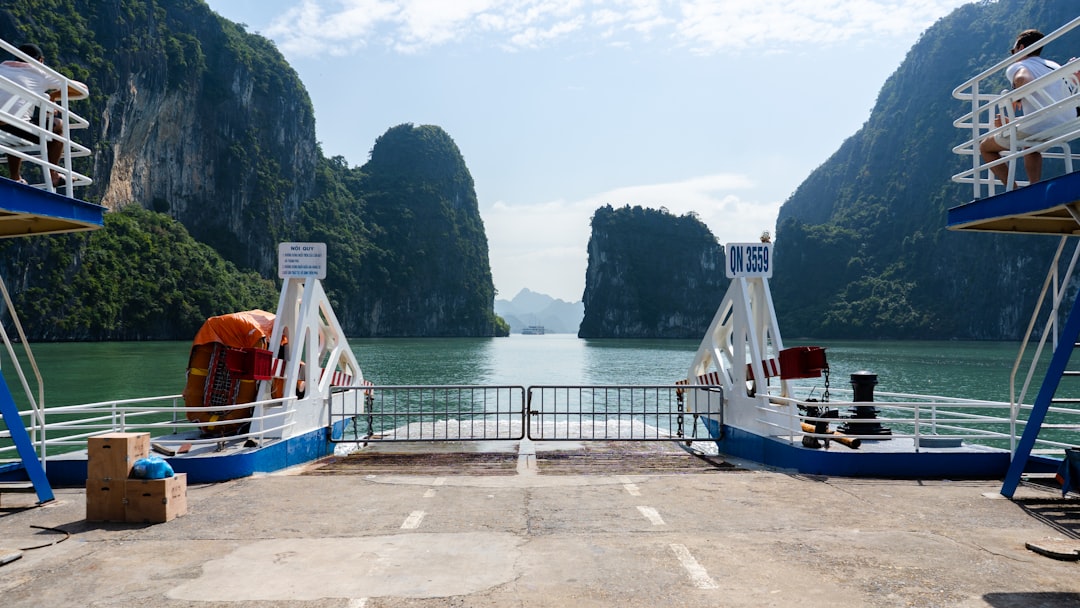
Overview of LED Lighting Fixtures Shipping Dynamics to/from Vietnam
Vietnam has rapidly evolved into a global manufacturing powerhouse, particularly in the electronics and lighting sectors. As of mid-2026, the import and export of LED lighting fixtures, classified under HS Code 940542, represent a significant volume of containerized trade. Navigating the regulatory landscape requires precision, as Vietnam maintains specific standards for energy efficiency and safety for electrical goods.
Regulatory Compliance and HS Classification
Proper classification under HS 940542—which covers luminaires and lighting fittings designed solely for LED light sources—is critical to avoid customs delays and potential fines. Importers must be aware that Vietnam mandates strict adherence to safety (QCVN 4:2009/BKHCN) and electromagnetic compatibility (EMC) requirements (QCVN 9:2012/BKHCN). Failure to provide the correct certification can lead to extended customs holds at the Port of Cat Lai.
Market Trends in 2026
The "China Plus One" strategy continues to drive manufacturing shifts into Vietnam, increasing the demand for high-quality lighting components. Supply chains are becoming more sophisticated, with a growing emphasis on digital tracking and green logistics to meet international sustainability standards.
In-Depth Analysis of ONE, Evergreen, & Maersk Container Capacity
Major carriers including ONE (Ocean Network Express), Evergreen, and Maersk maintain robust service networks connecting Vietnam to global markets. These carriers are currently balancing capacity management strategies with fluctuating global demand.
Carrier Service Strategies
- Maersk: Continues to invest heavily in Vietnam's infrastructure, including a $1.7B commitment to port projects and the deployment of electric trucks for domestic container transport to reduce carbon footprints.
- ONE & Evergreen: These carriers have been instrumental in maintaining stable feeder services within the Intra-Asia trade, which is vital for the movement of lighting components and raw materials.
Capacity Outlook
While global overcapacity remains a risk, carriers are employing "blank sailing" strategies to stabilize freight rates. Shippers should expect tighter slot availability during peak seasons and are advised to secure bookings well in advance of anticipated General Rate Increases (GRIs).
Ocean Freight Rates & Cost Optimization for HS Code 940542
Freight rates in 2026 remain volatile, influenced by geopolitical tensions, fuel price fluctuations, and carrier capacity discipline. Below is an indicative overview of current market conditions.
| Route Segment | Indicative Rate Trend (per FEU) | Market Status |
|---|---|---|
| Intra-Asia (Regional) | Stable/Moderate | High Frequency |
| Transpacific (Eastbound) | $2,800 – $3,800 | Tight Capacity |
| Asia to Europe | Fluctuating | Operational Fragility |
Cost Optimization Strategies
To mitigate costs, shippers are encouraged to utilize hybrid pricing models, combining long-term contracts for base volumes with spot market flexibility. Additionally, ensuring accurate HS code documentation prevents "administrative surcharges" that can inflate the total landed cost.
Port Container Tracking & Congestion at Port of Cat Lai
The Port of Cat Lai (Ho Chi Minh City) remains the busiest container terminal in Vietnam. While operational efficiency has improved, shippers must remain vigilant regarding potential bottlenecks.
Current Congestion Status
As of June 2026, vessel waiting times at Cat Lai are generally managed within a 1-day window. However, localized backlogs can occur due to yard saturation or peak-hour gate idling. Real-time monitoring via AIS data is essential for logistics managers to anticipate delays.
Operational Best Practices
Global Logistics Optimization & Supply Chain Strategies
Optimizing the supply chain for LED lighting fixtures requires a multi-layered approach that integrates technology with physical infrastructure.
Digital Transformation
Leading firms are adopting AI-driven forecasting and real-time tracking systems to reduce documentation errors and improve processing speeds by up to 15%. Digitalizing the customs clearance process is no longer optional but a competitive necessity in the Vietnamese market.
Diversification and Resilience
Relying on a single port or carrier increases risk. Shippers should diversify their logistics network by utilizing alternative ports (e.g., Cai Mep or Hai Phong) and maintaining relationships with multiple freight forwarders to ensure cargo space during periods of market disruption.
Executive Summary & Future Outlook
The logistics landscape for LED lighting fixtures in Vietnam is characterized by high growth and increasing complexity. While the Port of Cat Lai remains a vital gateway, its capacity is finite, necessitating smarter, more agile supply chain management.
- Short-term: Monitor fuel surcharges and carrier capacity adjustments closely.
- Long-term: Invest in digital supply chain visibility and sustainable logistics practices to align with Vietnam's green development goals.
Sources & References
Maersk Global Market Updates (2026) | Tradlinx Port Congestion Data | SeaVantage Freight Market Reports | Hylios Logistics Sector Analysis
- Shipping Pneumatic Air Cylinders to the Port of Valencia, Spain
- Shipping Semiconductor Microchips (HS 854231) to the Port of Montreal
- Shipping Tomato Paste Cans (HS 200290) to the Port of Gothenburg, Sweden
- Shipping SPC Vinyl Click Flooring to the Port of Antwerp-Bruges
- Shipping True Wireless Earbuds (HS 8517.62) to the Port of Alexandria, Egypt
- Shipping Semiconductor Microchips (HS 854231) to the Port of Sines, Portugal
- Shipping Centrifugal Water Pumps to the Port of San Antonio, Chile
- Shipping Digital Signage Monitors to the Port of Trieste, Italy
- Shipping Printed Circuit Boards (PCB) to Egypt via Port of Said
- Optimizing Logistics for Solid State Drives (SSD) Imports to the Port of Chittagong, Bangladesh